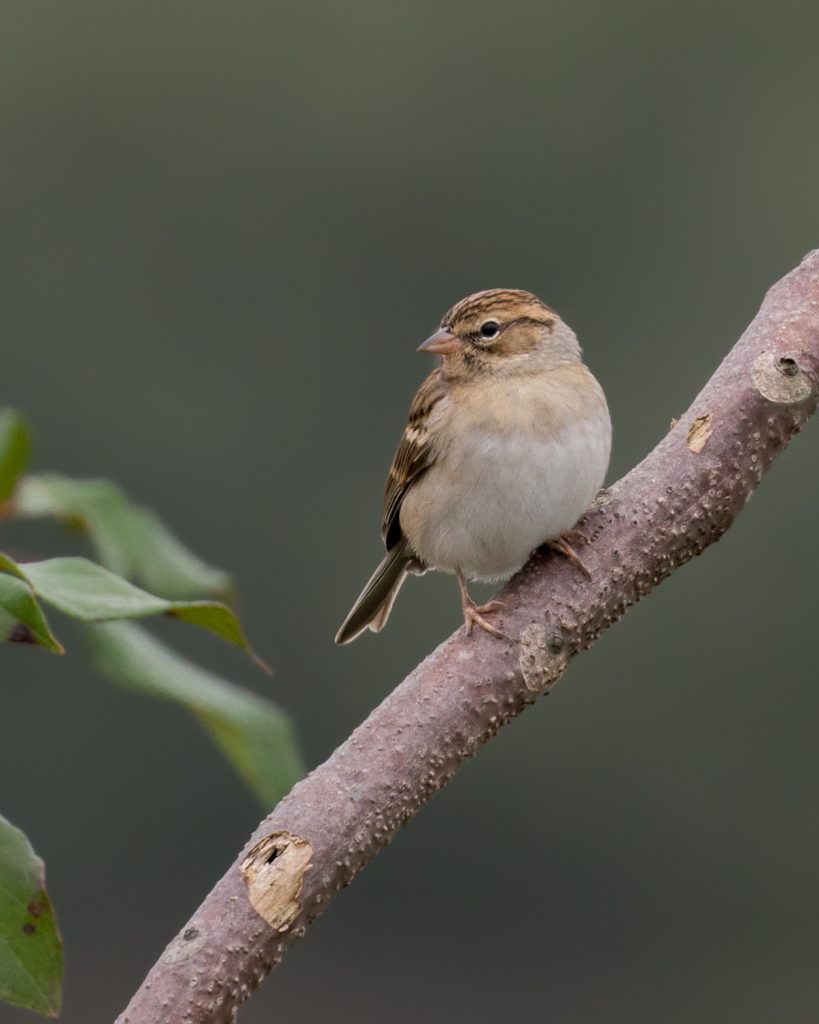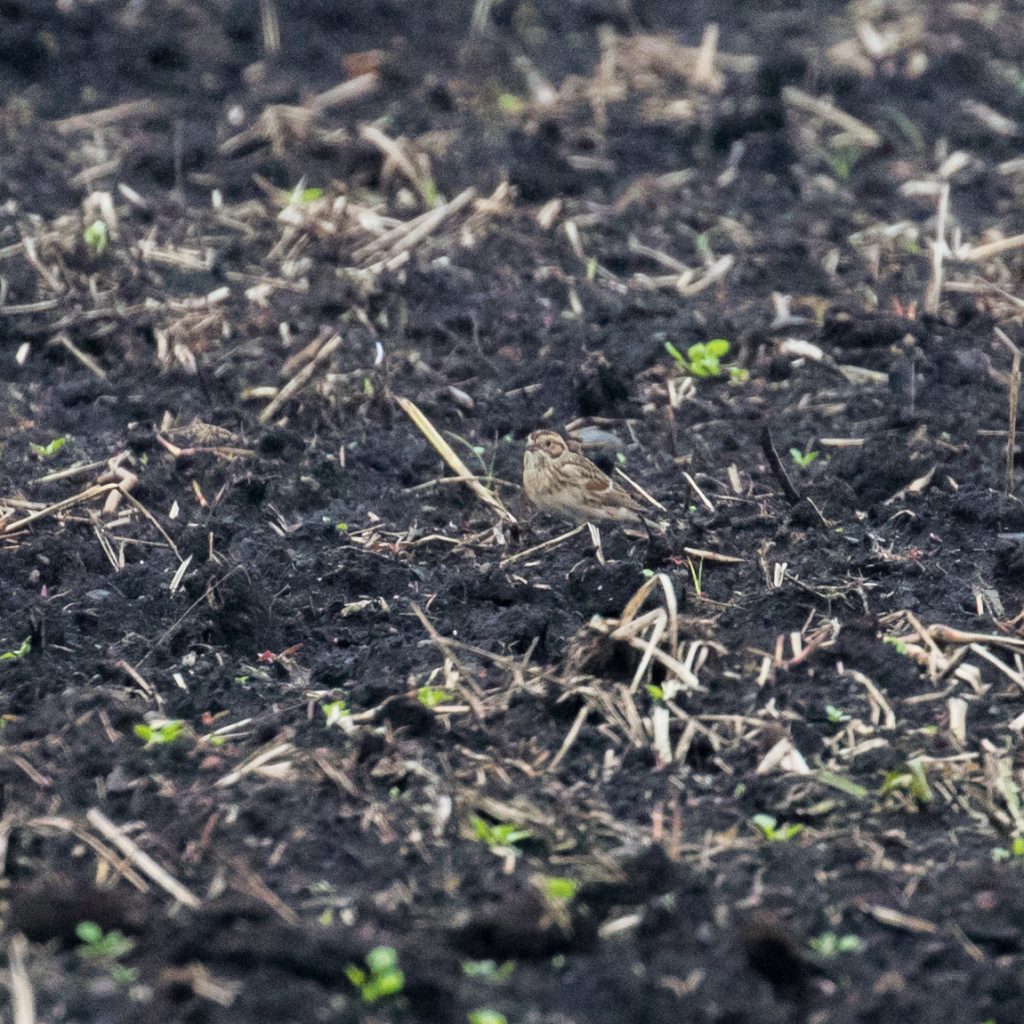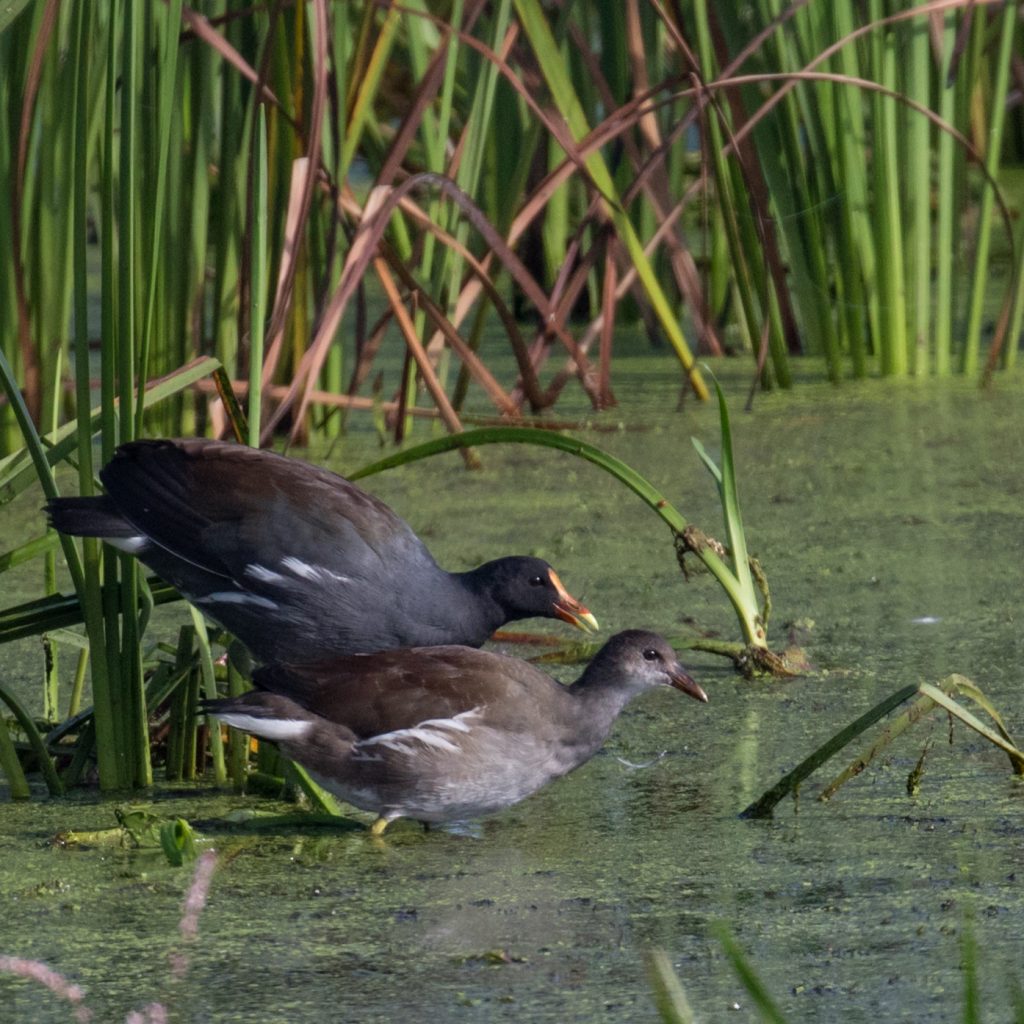
Whoa… Orange County BOBCAT!


~What a beautiful creature – Bobcat in Orange County, NY 05/21/18.~

Yesterday after work I birded later than usual. I wanted to stay out to see if I could hear Whip-poor-wills to add them to my year list. As I waited, the insects got worse and worse, so I finally took respite in my car for a few minutes. I sat with the window open so I could still hear, and remarkably, the bugs were leaving me alone. I must have caught a bit of movement out of the corner of my eye, because I never heard a sound. I turned to my left to witness a BOBCAT slinking through the grass. It was nearly dark, but fortunately I had adjusted my camera for the best possible results (I cranked the ISO up to 12,800!), just in case I needed it. I grabbed my camera off the passenger seat and took some initial shots – as soon as the cat heard the shutter he looked my way and the above shot is the result. The bobcat continued through the grass and eventually made its way down the trail. I could hardly breathe, I was so excited! I couldn’t get over the size; I’d seen a bobcat one other time only, and that cat was much smaller than this one. What an incredible experience; I got so lucky and I probably have the bugs to thank for it! And to top the night off, I heard several Whip-poor-wills calling right after the bobcat had moved on.

~Bobcat in OC, 05/21/18.~


Young Students Participate in Big Day

~Yellow Warbler on the nest, Bashakill WMA, photograph by Karen C Miller. ~

BY KAREN C MILLER

I spoke about needing young birders in my last post and am happy to tell you about an encounter I had this week. The children from one of the local Bruderhof communities were at the Basha Kill doing a Big Day of Birding, trying to find as many species as they can in one day. My guess is that this group consisted of about 15 kids ages 8 – 11 and five adults.  I first saw them on the road through the orchard and the children told me about the Wilson’s Warbler and other birds they had seen.  We met again on the Nature Trail where one young girl pointed out a nest occupied by a pair of Yellow Warblers.  I was impressed by her spotting ability.

~Lots of details to tend to! A Yellow Warbler tidies up the nest at the Bashakill. Photo by Karen C Miller.~

Thank you to this student for showing me where the nest was perched in a large rose bush so I could watch the birds and get a few pictures.  I expect that this group will give us a few adult birders in time.  They already have a great start on appreciating birds and observing nature.

~One last shot of the Yellow Warbler on the nest, Bashakill WMA, photo by Karen C Miller.~

A Small But Productive Window, 05/19/18

~Flycatcher Sp. at Laurel Grove Cemetery, 05/19/18. I suspect this is an Eastern Wood-Pewee as I had heard one call earlier; I did not witness this bird calling however.~ 

I have some things going on this weekend, so my birding window was a brief one early this morning. I made the best of it – I went to Laurel Grove Cemetery, which was quite birdy. Best birds were: a family of Common Mergansers (one adult female with 7 young), Blackpoll Warblers (6+, my FOY), Cape Warbler (1), American Redstart (1), Chestnut-sided Warbler (1), Pine Warbler (2), Yellow-rumped Warblers (4), and most exciting – Bay-breasted Warblers (2, my FOY).

~I always loved Cape May in the rain. When we were kids, we spent the summers in Wildwood, NJ. On rainy days we would head to Cape May and wander around looking at the shops – usually getting candy or ice cream. Cape May Warbler in the rain at Laurel Grove Cemetery, 05/19/18.~

On my way out, I was contacted by Rob Stone; he had 10 SHORT-BILLED DOWITCHERS and 3 WHITE-RUMPED SANDPIPERS at the Camel Farm. I ran for the birds on my way home, meeting up with Linda Scrima. Unfortunately I was pressed for time, so I was only able to take a quick look at the birds before I had to run, but still it was great to see them and add them to my 2018 Orange County list. I also saw my FOY Bobolink as I was leaving the Camel Farm. Not bad for a quick morning in the field!

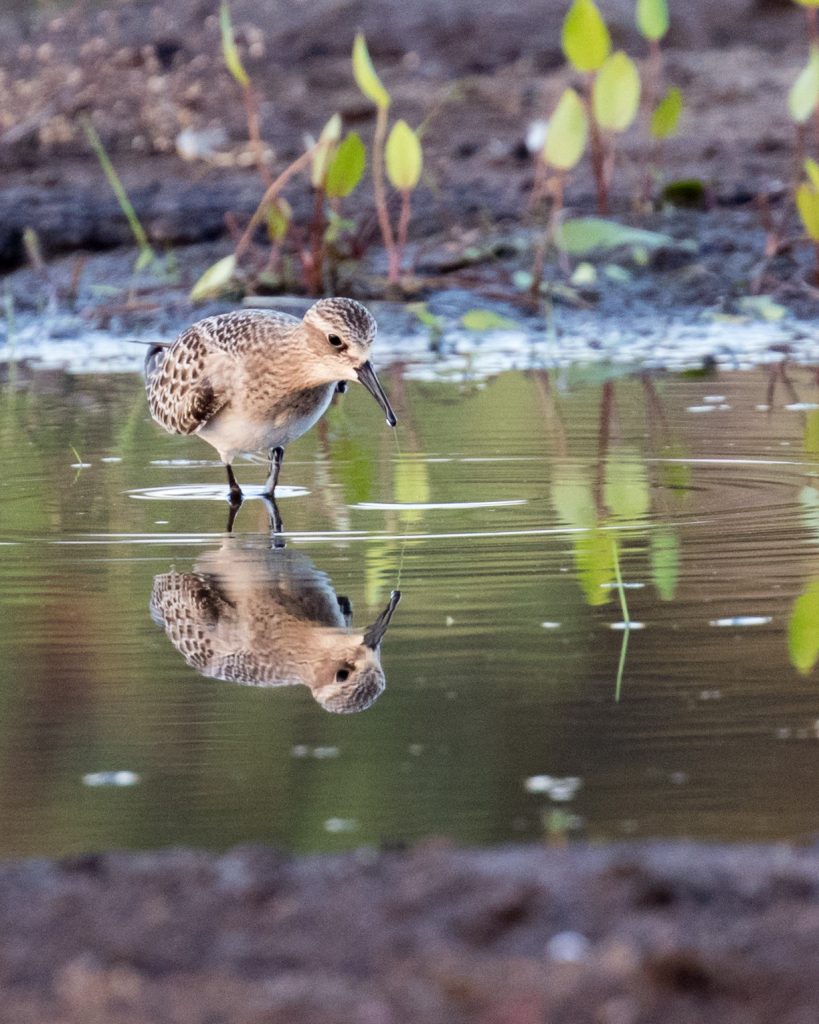
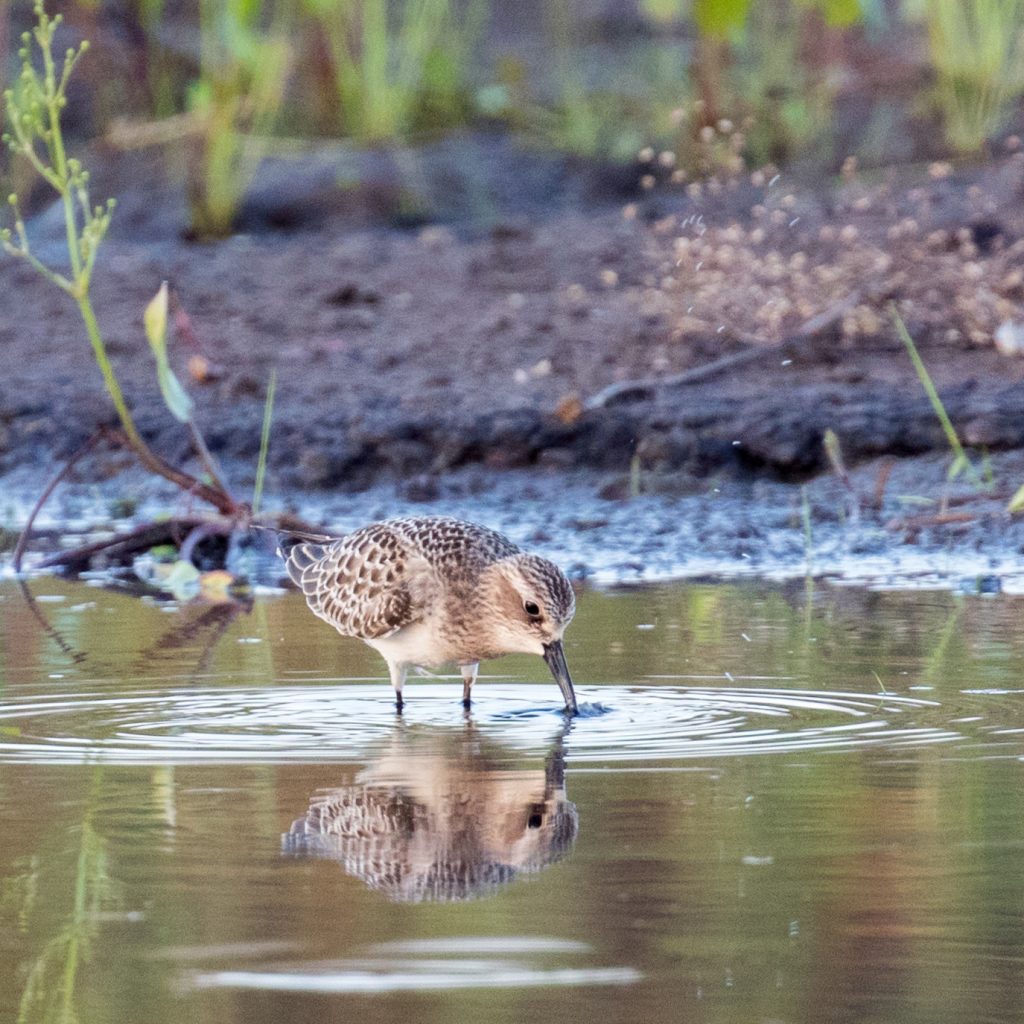
~Short-billed Dowitchers and on the far left, a single White-rumped Sandpiper, at the Camel Farm, 05/19/18.~ 

OC Sandhill Crane, 05/13/18

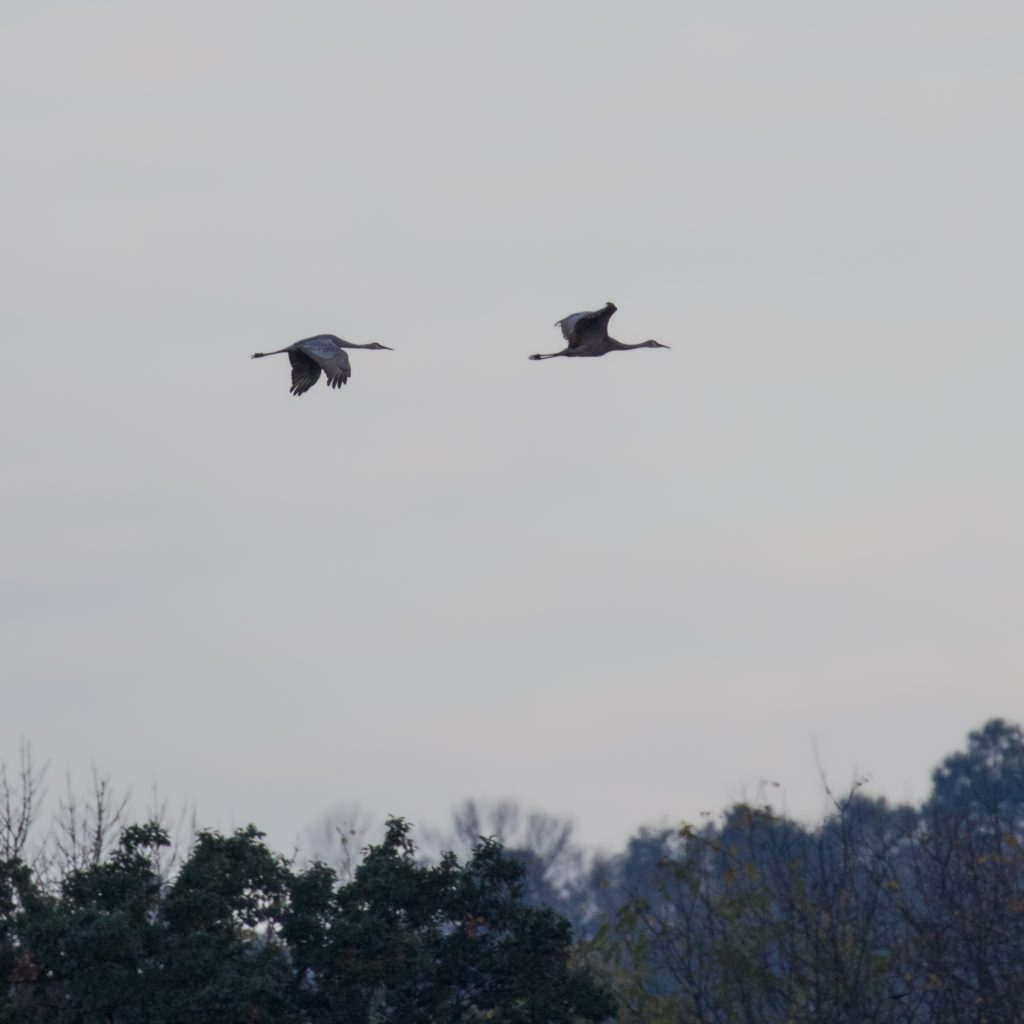
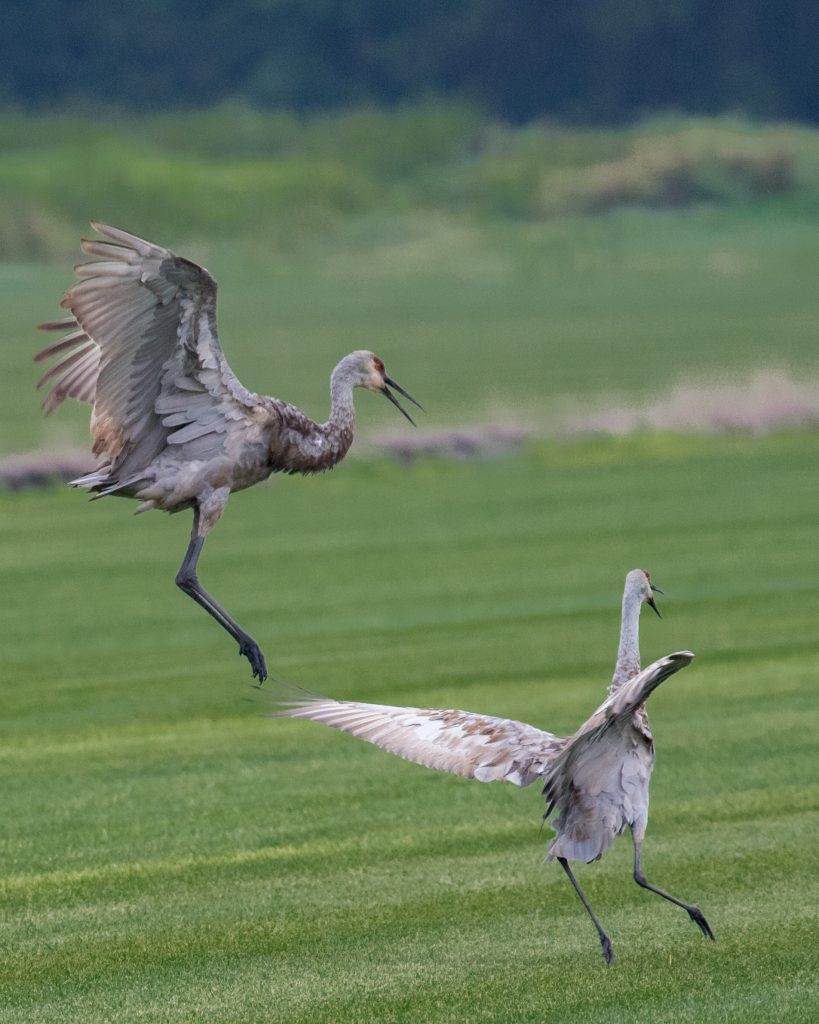
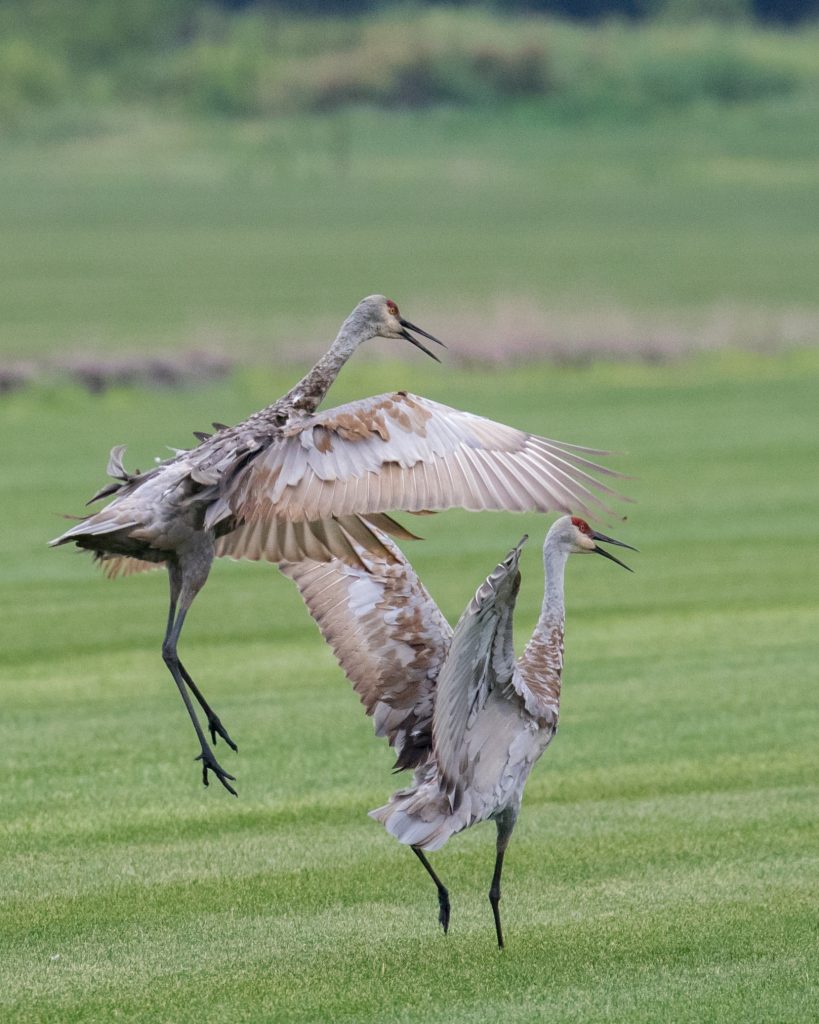
~SANDHILL CRANE at Wallkill River NWR, Liberty Lane 05/13/18.~ 

I was fortunate enough to run into Kent Warner at the Liberty Loop first thing this morning. He was on his way out, but he gave me the heads up that he’d heard a SANDHILL CRANE calling north of Oil City Road. I birded from the platform and then hit the west side of the loop, seeing and hearing mostly the usuals, although I did pick up my FOY Willow Flycatcher and Orchard Oriole. Of note was the absence of the Tundra Swan which had been present for just over a week. Then, I headed down Liberty Lane to try for the crane, and sure enough the bird was present feeding in the corn fields. I was happy to finally catch up with this bird – it had been reported in the last month by Linda Scrima, Rob Stone, as well as several others. It’s always excellent to see a SACR; it’s that much better when it’s in Orange County.  Later in the morning, Rick Hansen reported that the bird had flown over the Liberty Loop viewing platform.

~Ovenbird calling at Pochuck Mountain SP, 05/10/18.~ 

I birded a couple of other spots this morning. The Camel Farm had a good number of Least Sandpipers, Killdeer, and 2 SEMIPALMATED PLOVERS. At Pochuck Mountain the trail was quite birdy, but all the birds were WAY up at the treetops (with the exception of Ovenbirds). Best birds were a couple of Blackburnian Warblers, several Black-throated Green Warblers, and a handful of Northern Parulas.

~Wood Thrush in some nice evening light from earlier this week, 05/08/18.~ 
~Tundra Swan. This shot was taken at the Liberty Loop on Friday, 05/11/18. The bird was not present this morning.~ 

Another Lesson in Swan Identification, 05/06/18

~The bird in question – Swan Sp. at Liberty Loop 05/06/18.~

Back in November of 2012, I wrote a blog post entitled ‘A Lesson in Swan Identification’. Today was round two in swan identification for me. After a morning of birding in Port Jervis for migrating songbirds (see more on this below), I went to the Liberty Loop platform to see what was going on. In the first pond, there was a swan that was not a Mute Swan. I grabbed my scope and checked the bird out – the first thing I looked for was where the bill meets the head when you look head-0n at the bird. Typically, a V-shape indicates Trumpeter and a U-shape indicates Tundra Swan. Well, this bird had a V-shape, clearly, no doubt about it (see photo below). I was thinking, wow – could I have a Trumpeter here? But something wasn’t sitting right with me. Actually a couple of things. I’d talked with Rob Stone and he mentioned the size. A Trumpeter would be very large; to my eye the bird did not appear that large, but there were no nearby birds for context. The second thing was the connection of the bill to the eye. For a Trumpeter, the connection is very substantial, whereas a Tundra is less so. With today’s bird, the connection did not seem heavy enough to me.

~I’ve included this photo to illustrate the “V” where the bill meets the bird’s “forehead”. Tundra Swan at the Liberty Loop, 05/06/18.~

I put the word out that I had a possible Trumpeter and Karen Miller, John Haas, and Bruce Nott all ran for the bird. We had amazing scope looks (even though the bird spent much of the time tucked in). We poured through field guides. The conclusion was that we just didn’t know – we would enter it in eBird as Swan Sp. and seek help with the ID. John provided Kevin McGowan’s contact information, so I emailed him some photos, thinking maybe we would hear back sometime this week. Well, he responded right away: Looks like a SY Tundra Swan: rounded head, very prominent eye nearly disjunct from the black face. The V-notch of the bill is typical of young Tundras and not a mark for Trumpeter. How’s that for a curve ball? That is a detail that I did not pick up when I was researching for my post back in 2012. The V actually switches species depending on the age of the bird (ie., the V= Adult Trumpeter OR young Tundra). No one ever said birding was easy, ha ha. Well, chalk it up to another learning experience, which is really what it’s all about. And when it comes down to it, if you told me this morning I’d have a Tundra Swan in OC, I’d have been thrilled. And so I am.

In other news…..

~Carolina Wren singing its heart out, Reservoir 1 05/06/18.~

I birded Laurel Grove Cemetery and Reservoir 1 in Port Jervis this morning. From 7-8 am, Laurel Grove was hopping! It was mostly Yellow-rumped Warblers, but I also managed to find a Magnolia Warbler, 3 Cape May Warblers, and my first Chimney Swifts of the year. Reservoir 1 was quieter, but I did see my first Chestnut-sided Warbler of the year. Good morning and a good weekend – I add a remarkable 32 species to my OC year list over the weekend!

~Cape May Warbler at Laurel Grove Cemetery 05/06/18.~
~Veery at Reservoir 1, 05/06/18.~


WARBLERS!

~There were plenty of Black-and-white Warblers at Sterling Forest the past couple of days. This one is from this morning, 05/05/18, at Ironwood Drive.~ 

From Friday evening to Saturday evening, I’m pretty sure I had my best 24 hours of warblers ever. In that span I had 19 species of warbler in three different locations: Sterling Forest State Park’s Ironwood Drive, Sterling Forest’s Old Forge Road, and Pochuck Mountain State Park.

Black-and-white Warbler: Ironwood Drive and Old Forge Road

Ovenbird: All three locations

~Ovenbird at Pochuck Mountain SP, 05/05/18.~ 

Nashville Warbler: Pochuck

Worm-eating Warbler: Ironwood Drive

Louisiana Waterthrush: Ironwood Drive and Old Forge Road

Northern Waterthrush: Ironwood Drive

Black-throated Blue Warbler: Ironwood Drive and Pochuck

~Male Black-throated Blue Warbler at Sterling SP, 05/05/18.~ 
~Female Black-throated Blue Warbler at Pochuck Mountain SP, 05/05/18.~ 

Blue-winged Warbler: Ironwood Drive

Common Yellowthroat: Ironwood Drive

Hooded Warbler: Ironwood Drive

~I still need a good Hooded Warbler Photo. Sterling Forest, 05/04/18.~ 

Cerulean Warbler: Ironwood Drive

Northern Parula: Ironwood Drive and Pochuck

Blackburnian Warbler: Ironwood Drive

Yellow Warbler: Ironwood Drive and Old Forge Road

~American Redstart at Sterling Forest SP, 05/04/18.~

American Redstart: Ironwood Drive and Old Forge Road

Black-throated Blue Warbler: Ironwood Drive and Pochuck

Black-throated Green Warbler: Pochuck

Yellow-rumped Warbler: Ironwood Drive

Prairie Warbler: Ironwood Drive

Golden-winged Warbler: Ironwood Drive

~Golden-winged Warbler at Sterling Forest, 05/04/18.~ 

Maybe more remarkably, in that same 24 hours, I added a total of 27 new species to my Orange County year list. Highlights (outside of the warblers) include: Virginia Rail (Liberty Loop), Broad-winged Hawk (Sterling SP), Green Heron (Sterling SP), and Baltimore Oriole (Pochuck).

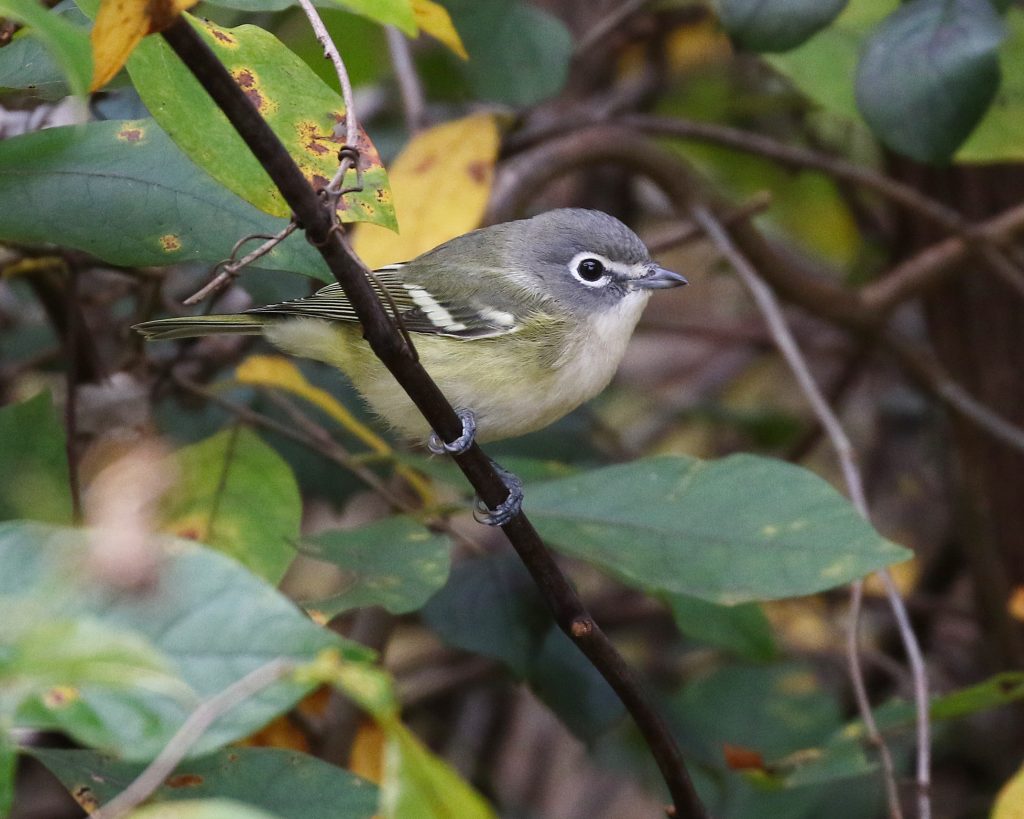
~I like this pic – Blue-headed Vireo at Sterling Forest SP, 05/05/18.~ 
~Ruby-crowned Kinglets were numerous at Sterling Forest today – I had at least 20 of them.~ 


We Need Young Birders!

~Palm Warbler at the Bashakill, identified by Joseph and photographed by Karen Miller.~

You may remember that I asked some of the more active birders in our area to contribute to the blog – I’m happy to say that Karen Miller is the latest to take me up on it.

By KAREN MILLER

We love birding! It’s a huge part of our lives, but we need young birders to get in the game also and advocate for birds so future generations will have these wonderful creatures in THEIR world too.

I met a young birder with his parents at the Basha Kill recently. Joseph is 5 1/2 years old (and DON’T forget the the 1/2 year or he will quickly correct you!). Joseph is a very smart little guy with lots of energy and he was constantly running around looking for new birds. As I chatted with his parents, Joseph would run up to me and say “Excuse me, excuse me. What bird is this?” He would hand me his little point-and-shoot camera and I tried to identify the bird from a small picture on the display screen. When a Great Blue Heron flew over, he nearly flipped out at the size of the bird! (It surprises me every time, too). Joseph was certain that an Eastern Phoebe on his mother’s camera was instead a picture of a Kingfisher : )  I could barely keep up with his questions.

At one point Joseph ran up to us, announced that he had found a yellow bird and dragged me off to identify the bird. He quickly relocated the bird in a small bush… and he was right! It WAS a yellow bird! Above is a picture of his great finding… a Palm Warbler! Not bad for a 5 1/2 year old! Feeding the birds at home gives Joseph a good start on observing and learning the birds.

I hope that I see Joseph at the Bash again soon. We need young birders!


Orange County CATTLE EGRET! 05/01/18

~CATTLE EGRET flies over the platform at the Liberty Marsh this evening, 05/01/18.~ 

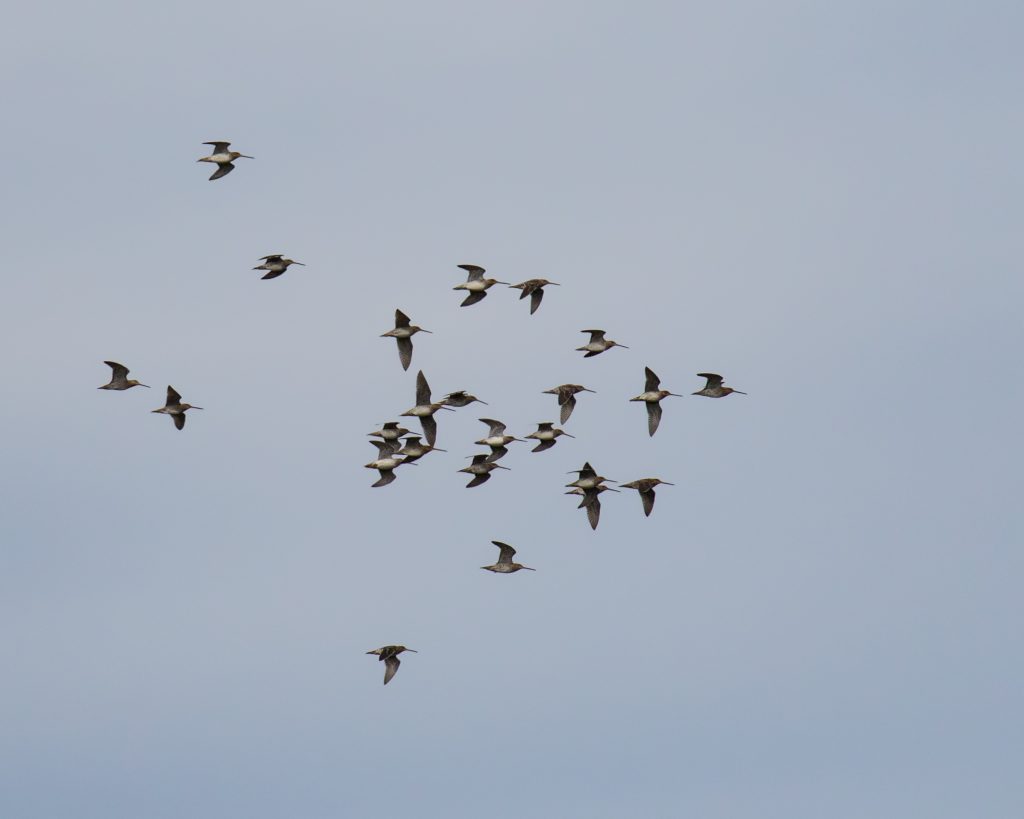
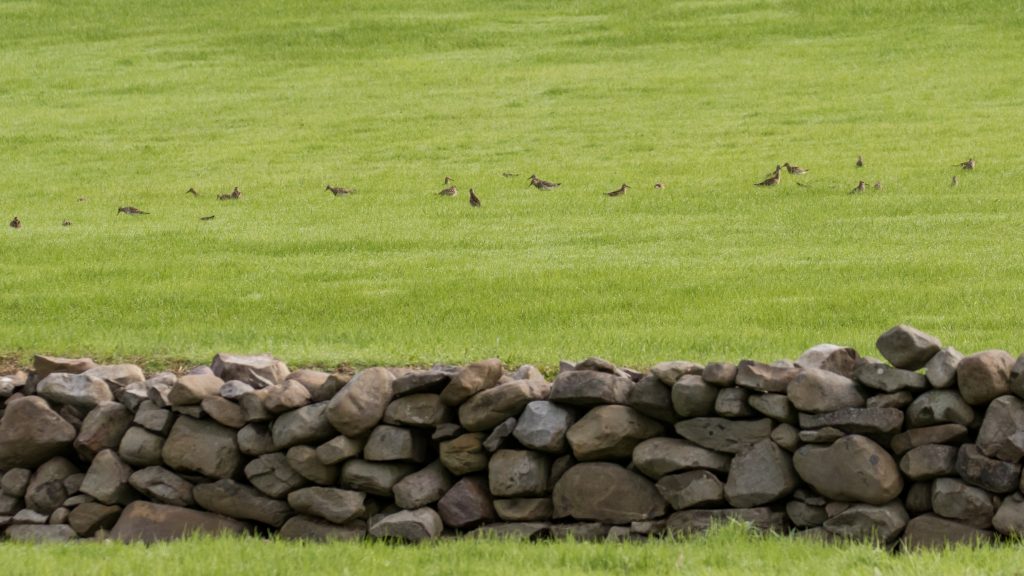
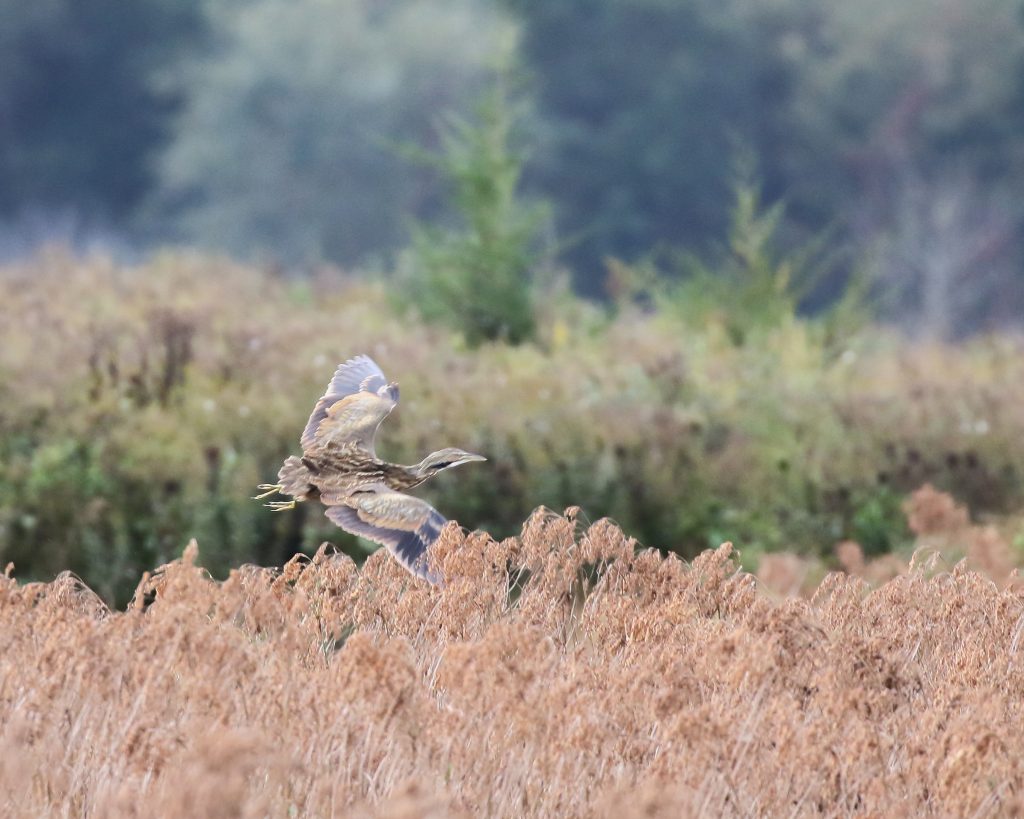
This evening I met up with Linda Scrima and Maria Loukeris at the Wallkill River National Wildlife Refuge’s Liberty Marsh. We were following  up on a second  hand report by Ken McDermott, from earlier in the day, of a CATTLE EGRET at the marsh. We had a pretty fabulous night of birding, with 4 species of shorebirds being seen right along Oil City Road (Greater and Lesser Yellowlegs, Wilson’s Snipe, and Solitary Sandpiper). An American Bittern called as soon as I got out of the car, and Linda got a sweet shot of one in flight (see below). Sora could be heard calling from just east of the viewing platform. And then, the CATTLE EGRET flew out of the marsh and right over the platform! It headed north and settled down just off of Liberty Lane. It didn’t stay there for long, however, it picked up and, lucky for us, put down about 100 yards out from the viewing platform. Excellent, lucky night of birding!

~Wow! American Bittern in flight at the Liberty Loop, 05/01/18. Photo by Linda Scrima.~ 
~Lesser Yellowlegs at the Liberty Loop, 05/01/18.~ 

An Unexpectedly Nice Evening, 04/30/18

~A Northern Rough-winged Swallow makes a pass at Wickham Lake, 04/30/18.~

Picture this. You spent the day working hard and you are exhausted. But now you are standing on the shore of Wickham Lake in a light rain, listening to a Common Loon perform its eerie call. Swallows buzz over the surface of the lake; you scan persistently and eventually identify 4 of the 5 expected species of swallow: Barn, Tree, Northern Rough-winged, and a beautiful single CLIFF SWALLOW. Your first Solitary Sandpiper of the year works the shore just to your left; a Yellow Warbler and an American Redstart (another FOY) call from the patch of woods near the parking area. And, just like that,  your Monday evening has clearly surpassed expectations.

~I did not imagine I would be photographing any shorebirds close up this evening. Spotted Sandpiper at Wickham Lake, 04/30/18.~