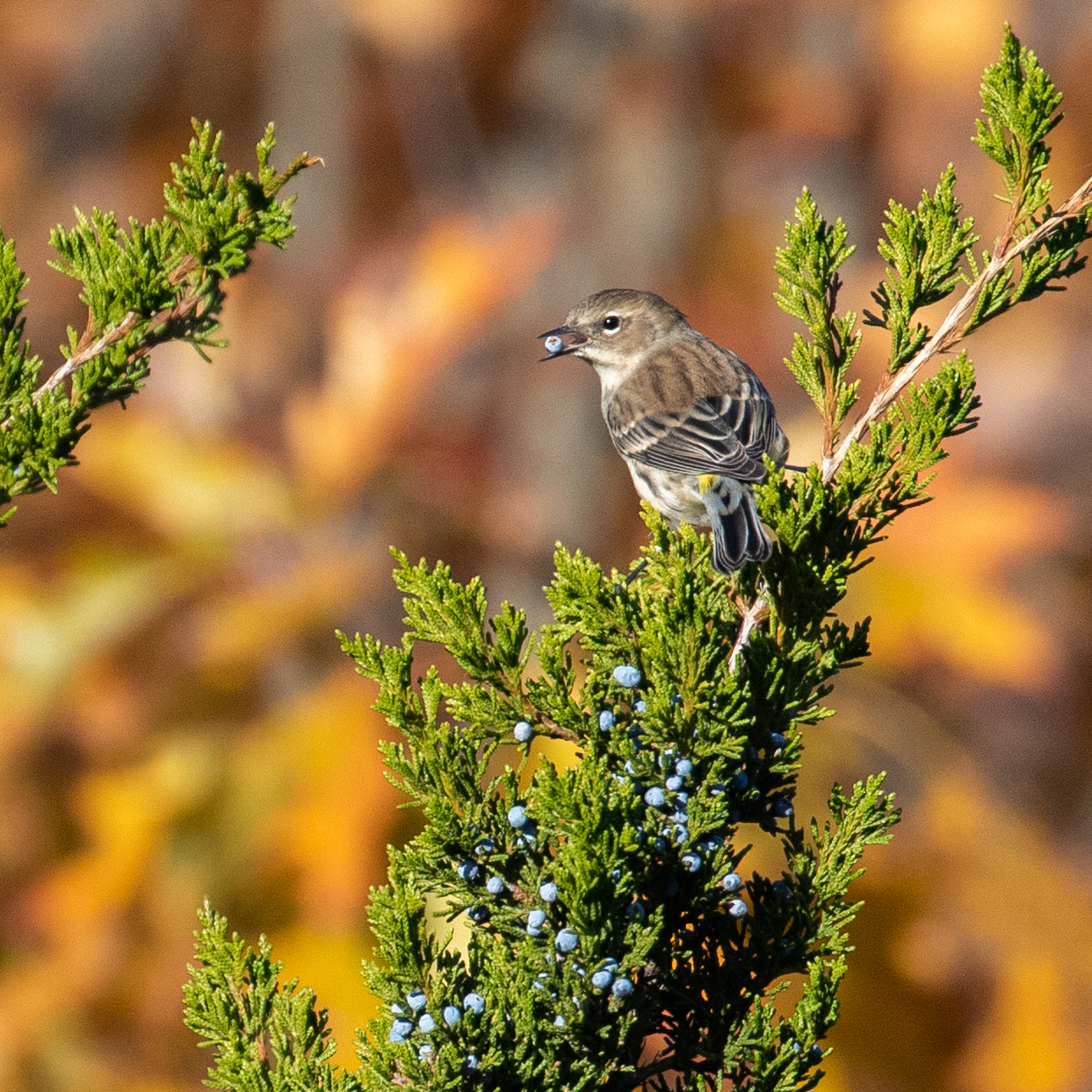
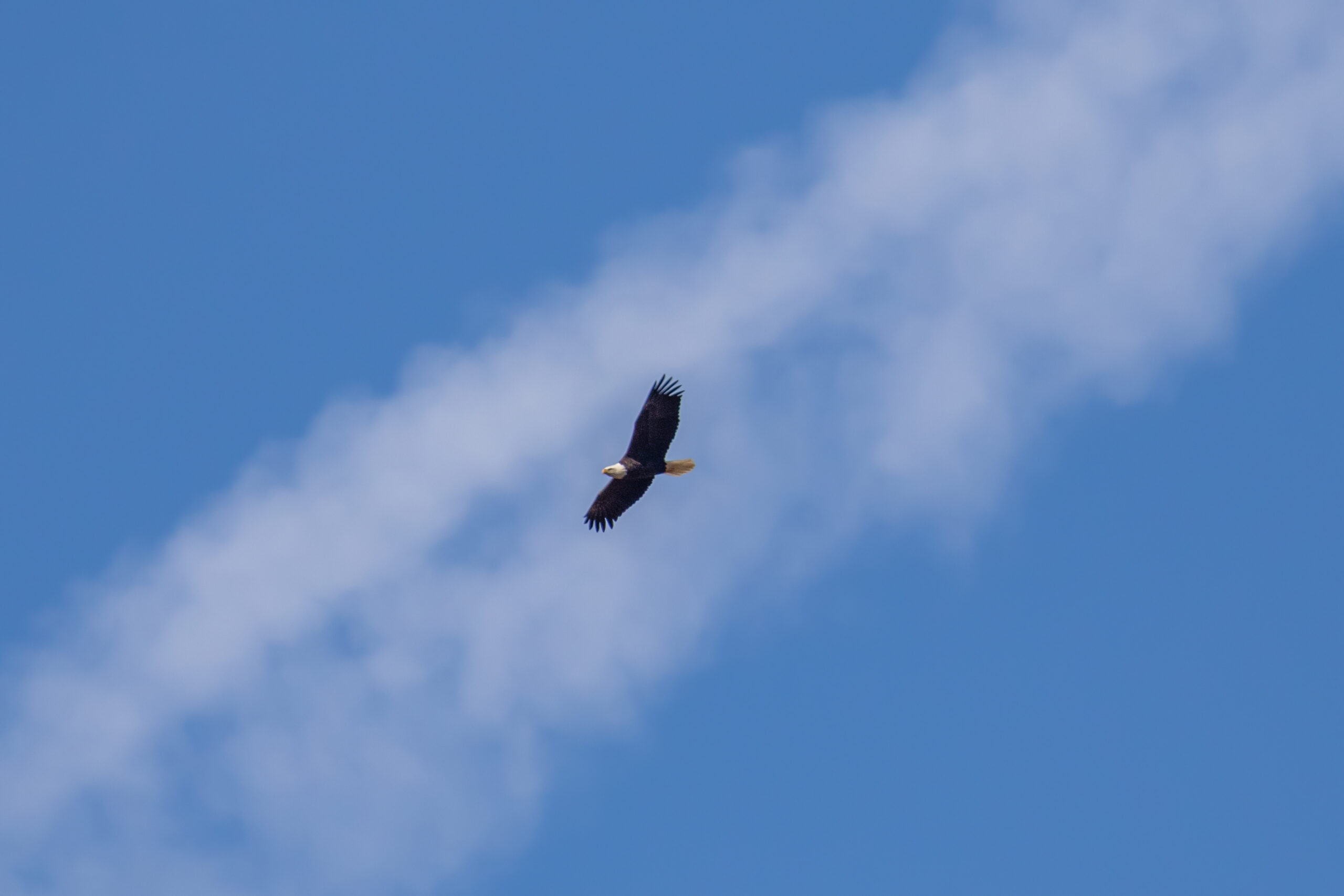
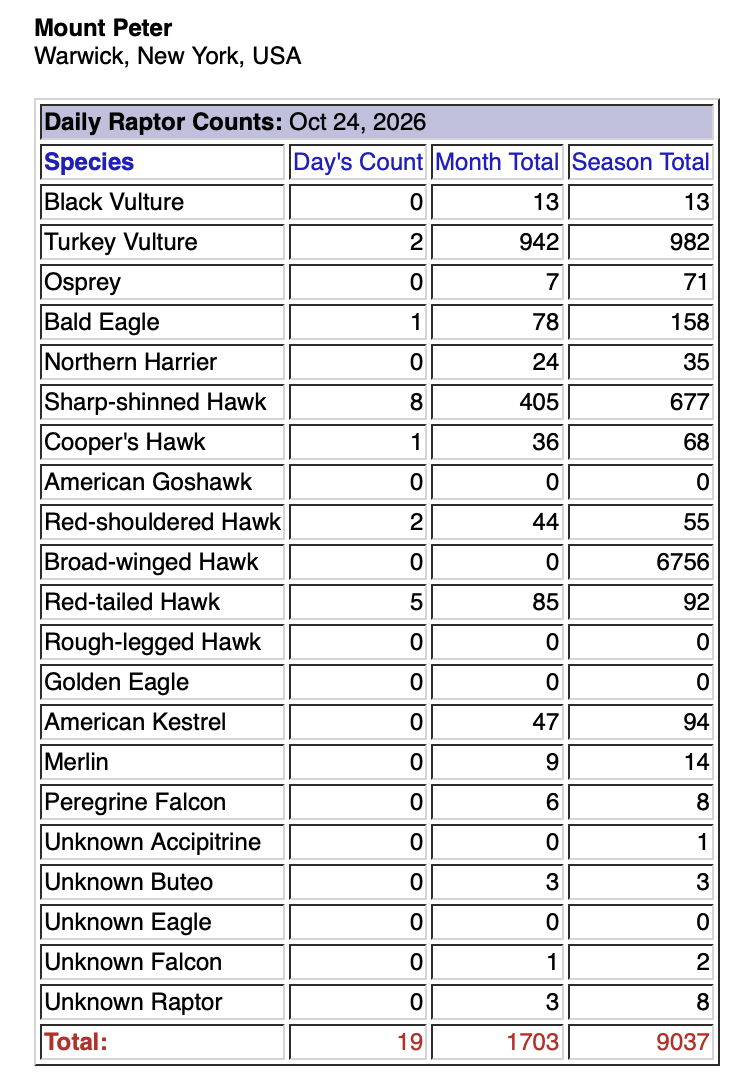
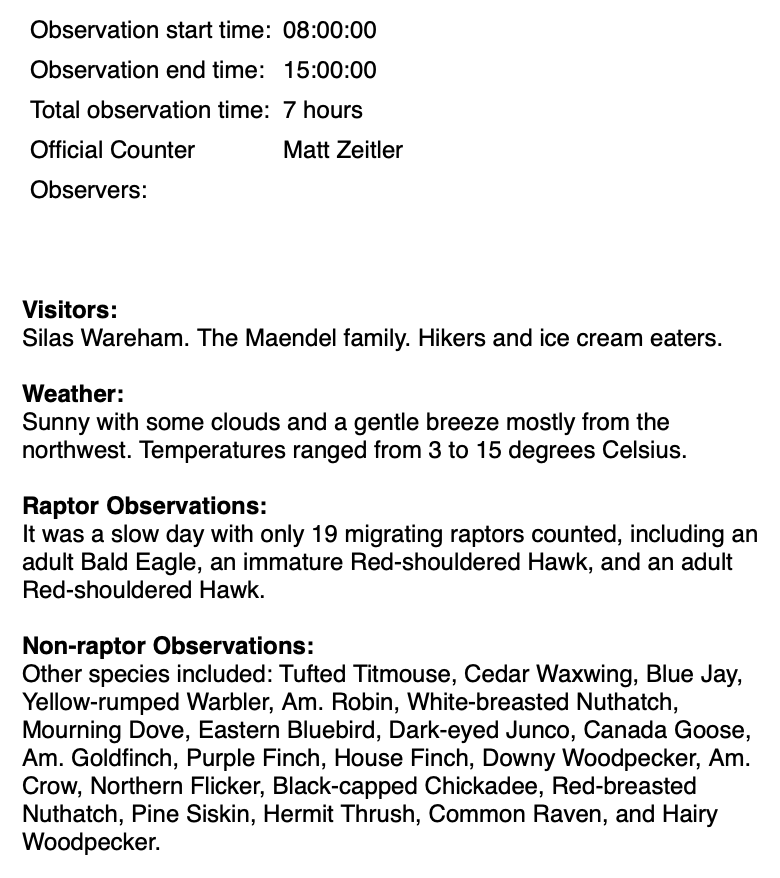
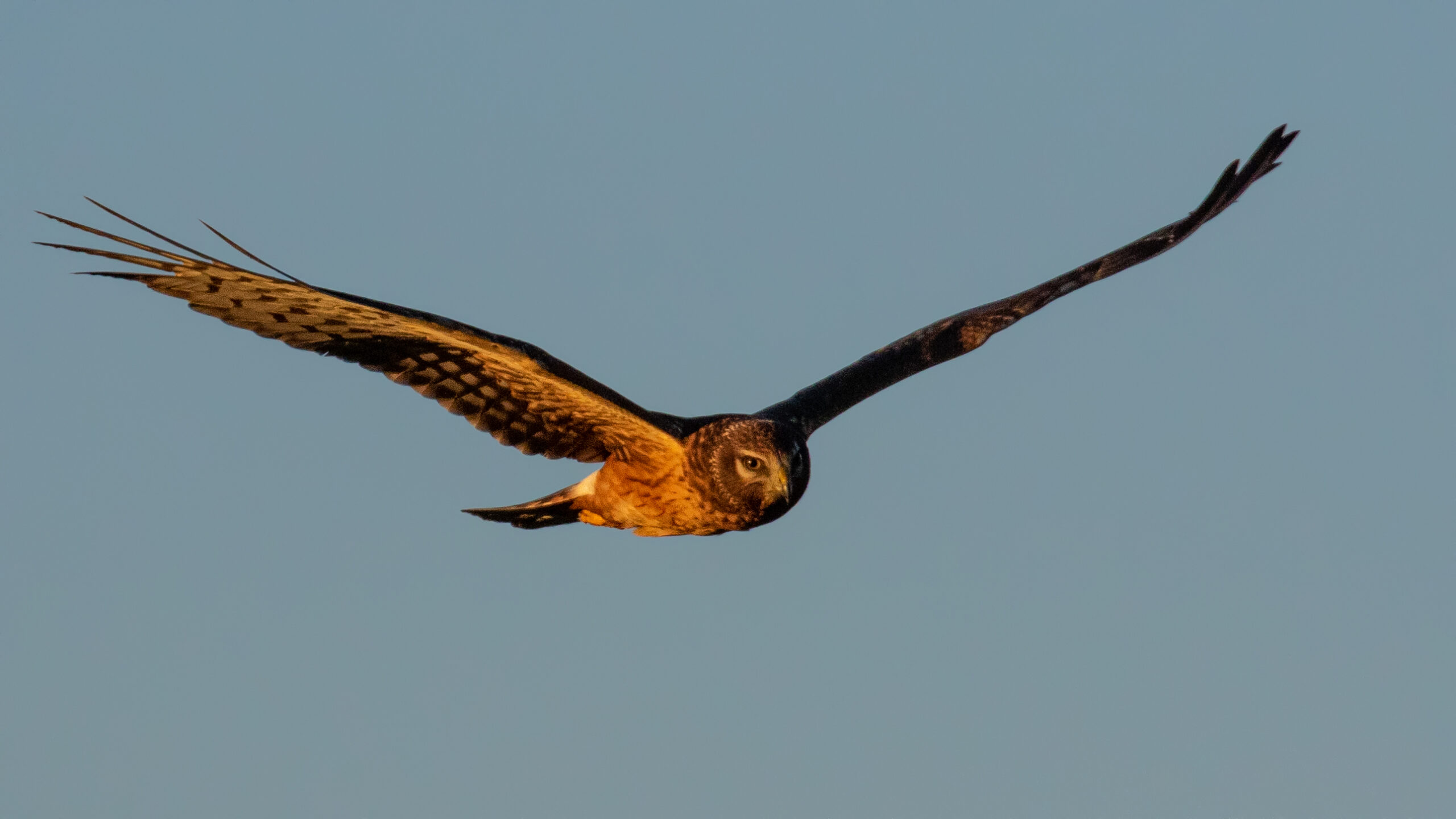
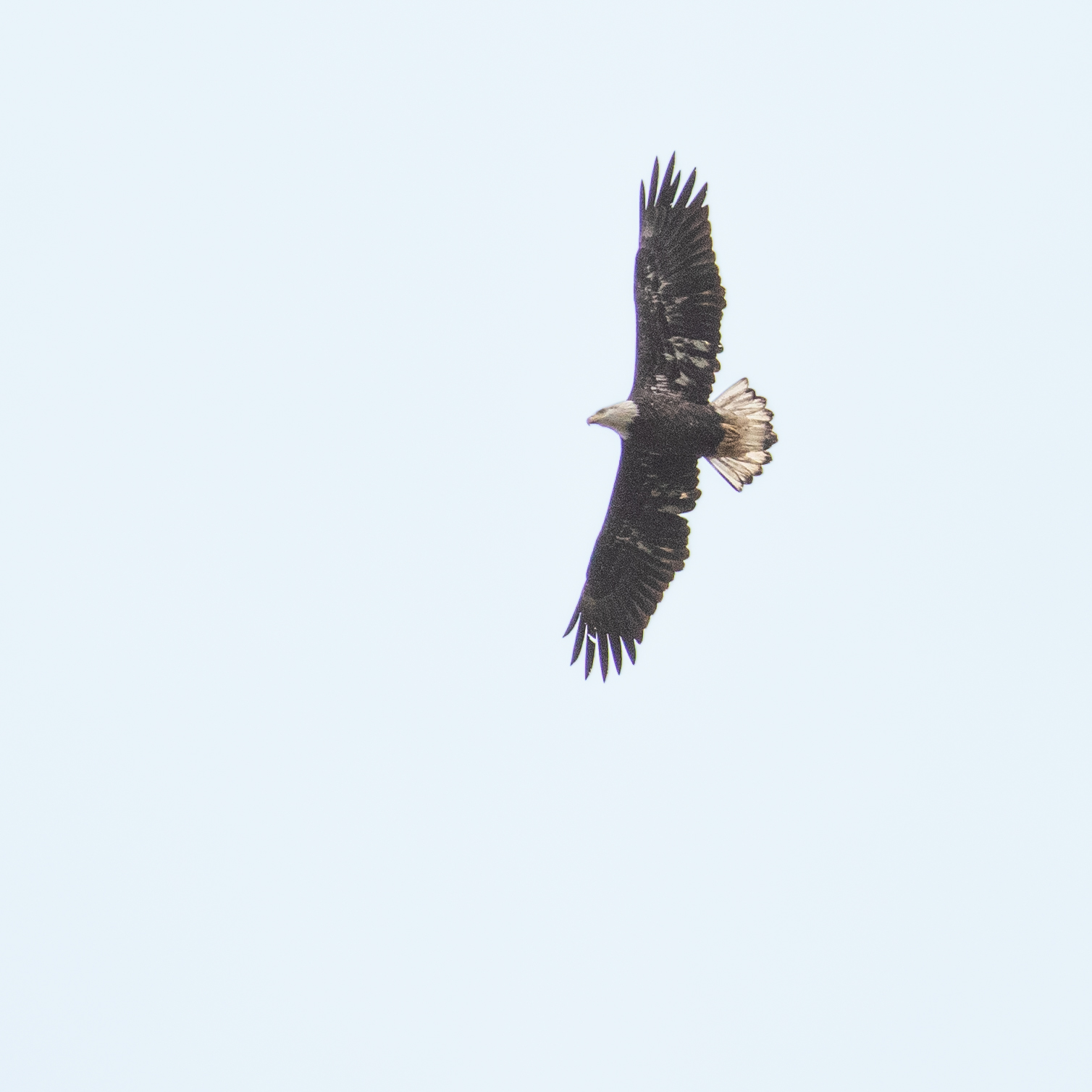
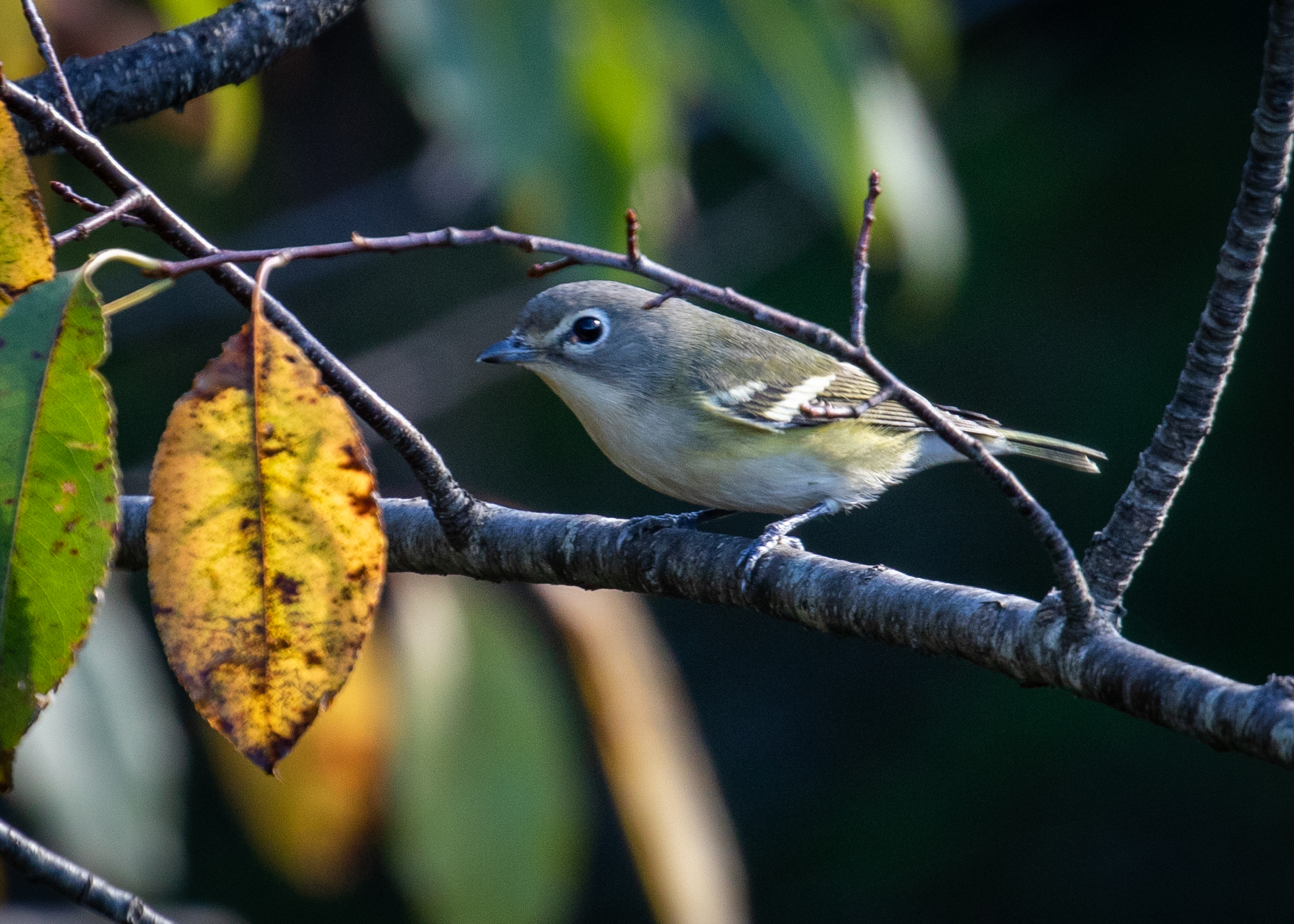
It was a very slow day at Mount Peter Hawkwatch today. The wind was from the northwest for the most part, but it was very weak, barely a breeze. I had a nice sky for it, with enough clouds to help find birds, but they just did not materialize. Some days are like that. Still, it was nice to be up on the mountain and outside all day. And, it was a decent day for smaller birds – highlights included Pine Siskins, Purple Finches, a Red-breasted Nuthatch, Yellow-rumped Warblers, and a Hermit Thrush. As usual, I’m including my Hawkcount.org report at the bottom of this post.
~Yellow-rumped Warbler with a snack. Mount Peter, 10/24/26.~~A migrating adult Bald Eagle, Mount Peter Hawkwatch, 10/24/26.~~Local TV at Mount Pete, 10/24/26.~
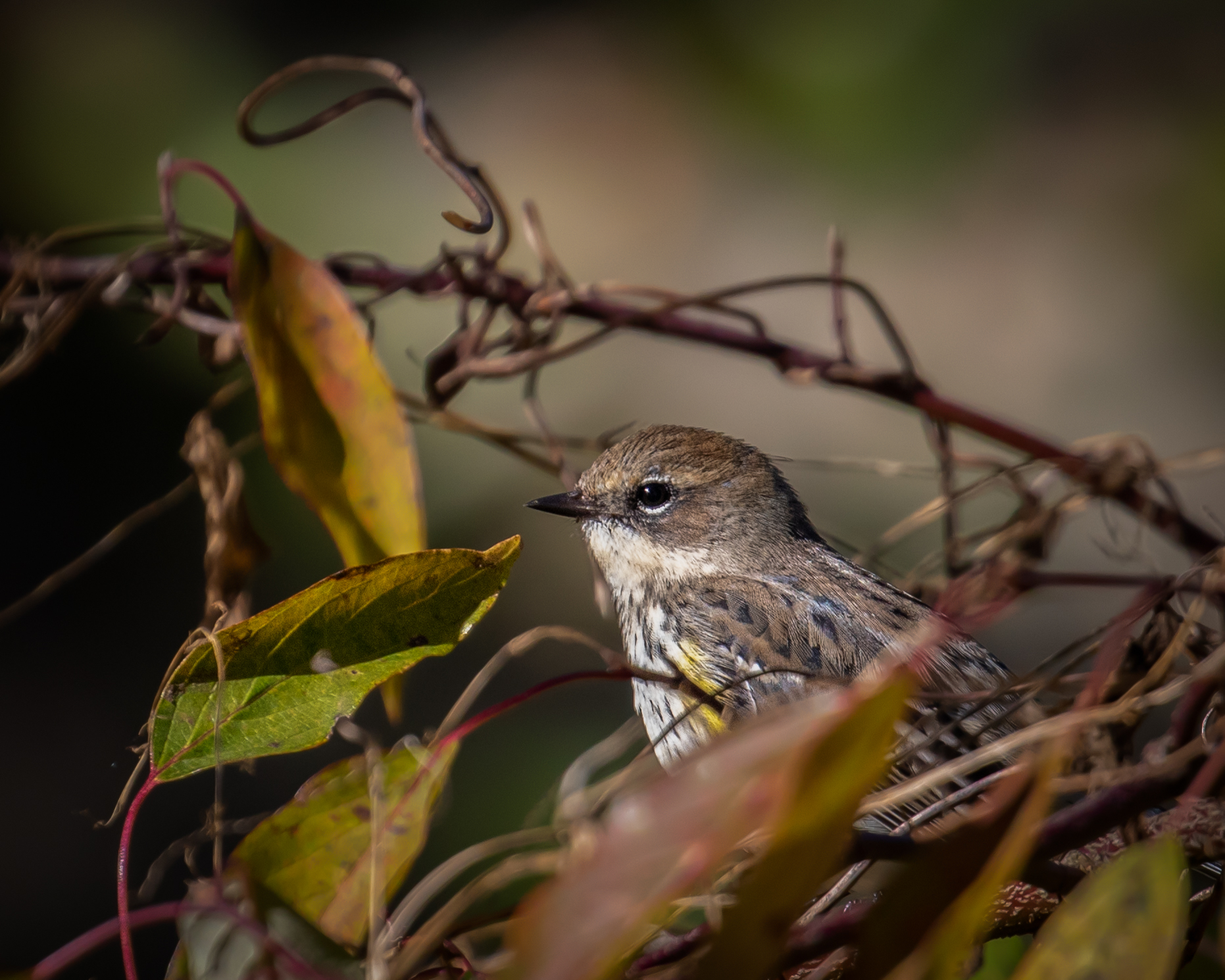
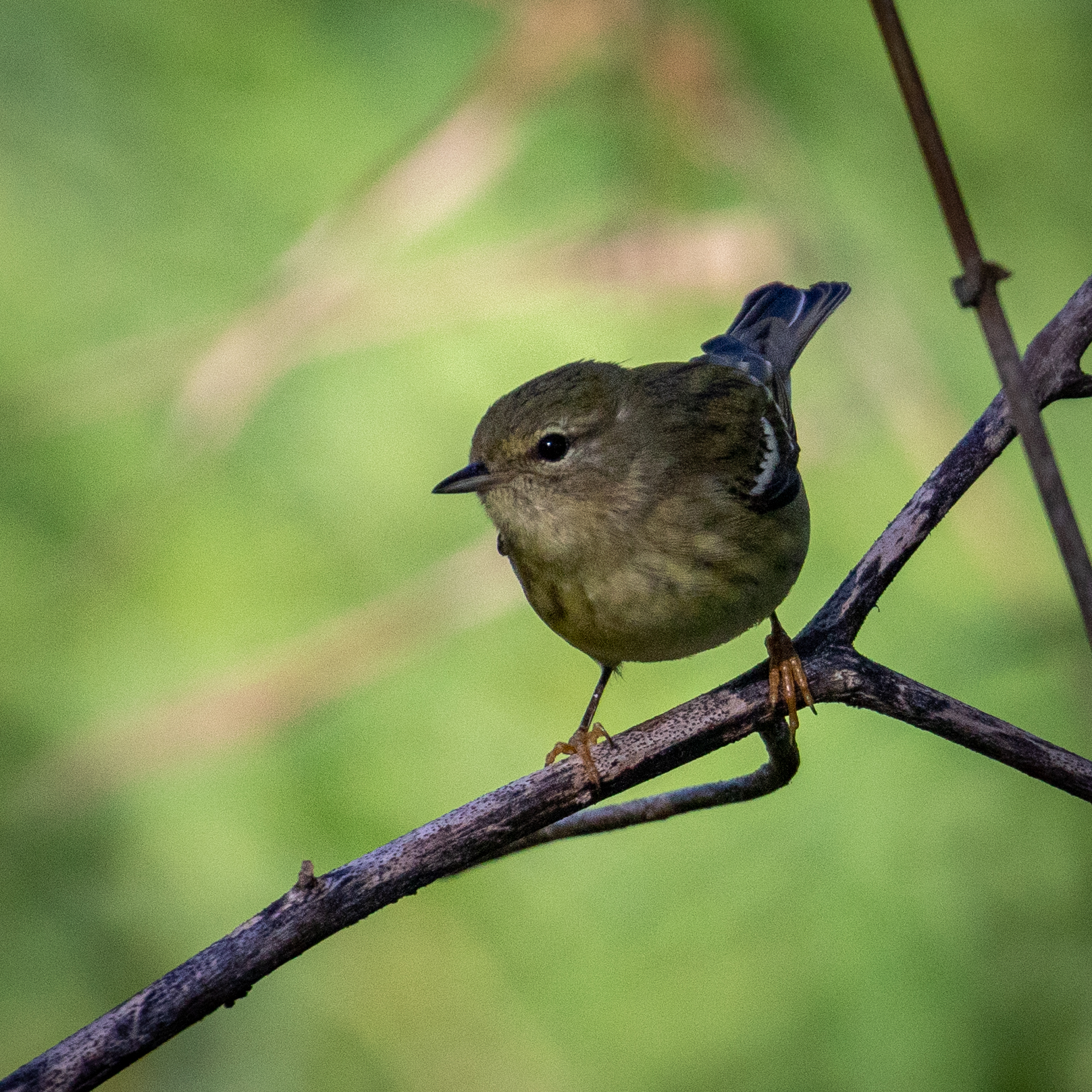
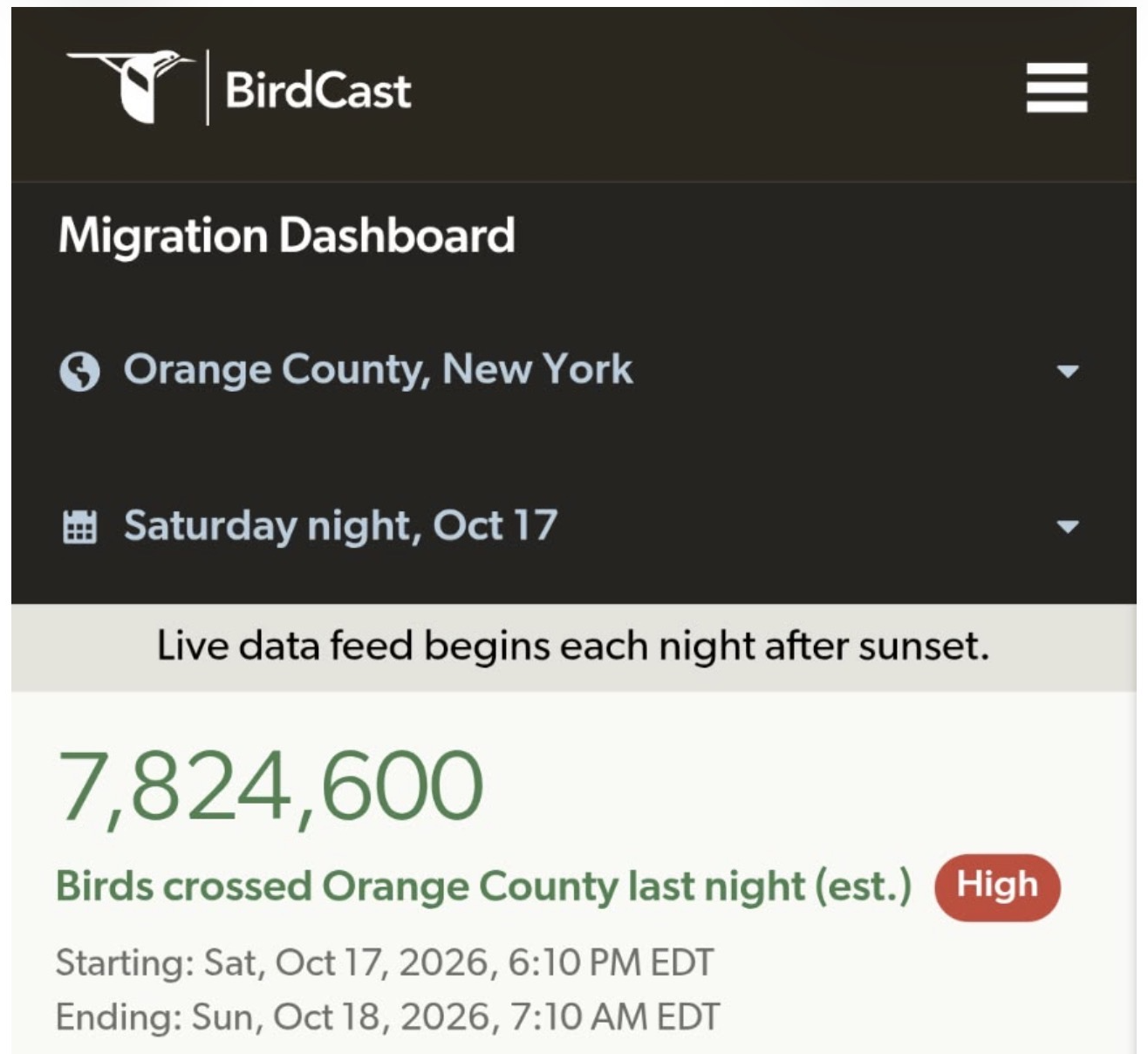
After the great day I had yesterday, today was bound to be a bit of a letdown. In spite of a strong Birdcast report (see below), there was not all that much happening. I started with a couple of lakes – Glenmere and Wickham, but neither had any waterfowl on them outside of Canada Geese and a single Double-crested Cormorant at Wickham. I birded the black dirt briefly; there were plenty of American Pipits and the expected sparrows around, but not much else. I walked at Winding Waters; it was relatively birdy and I enjoyed sifting through sparrows (Song, Swamp, White-throated, Savannah, and a single Lincoln’s), and I also had 3 species of warbler (Palm, Blackpoll, and Yellow-rumped). Here are my images from the day.
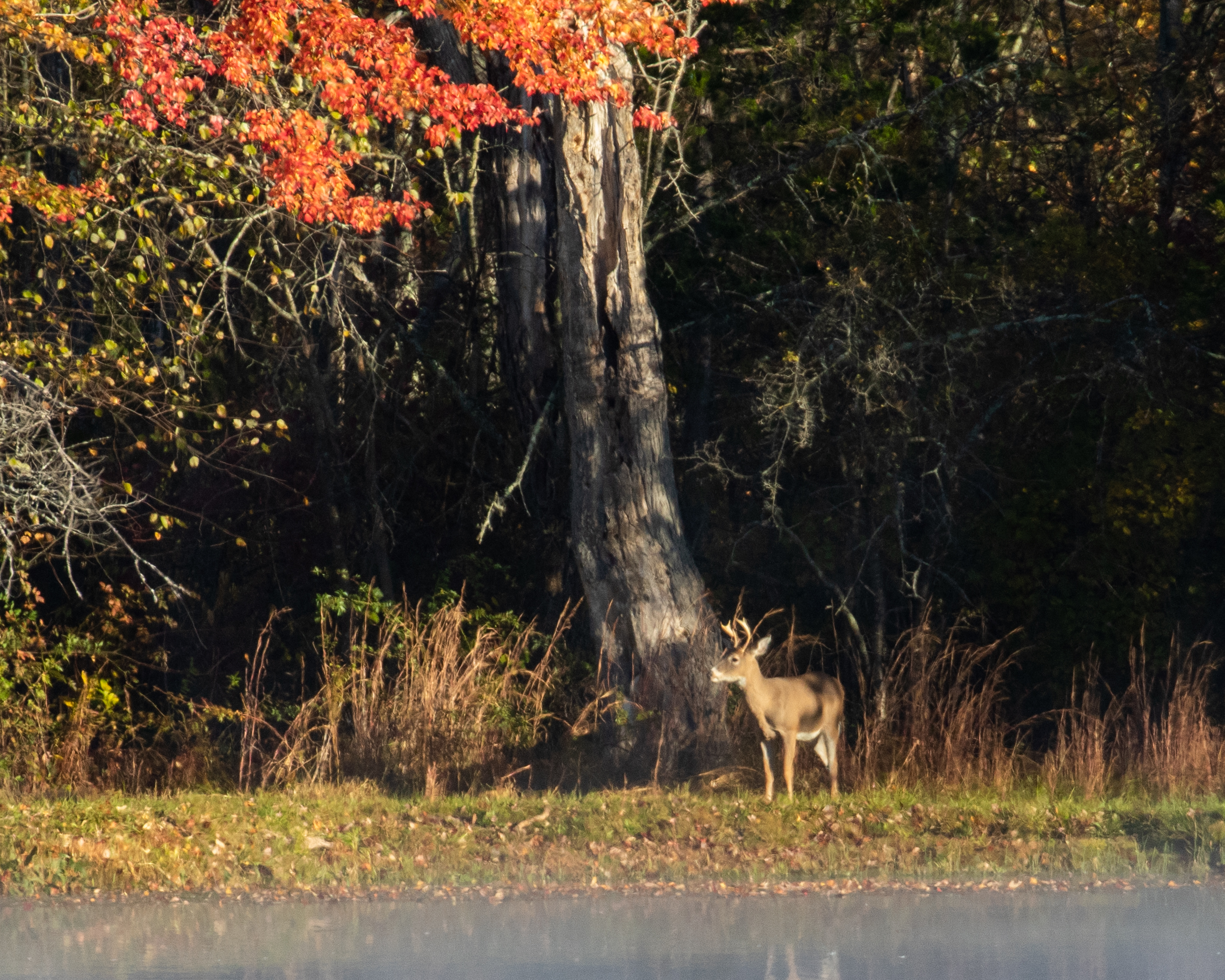
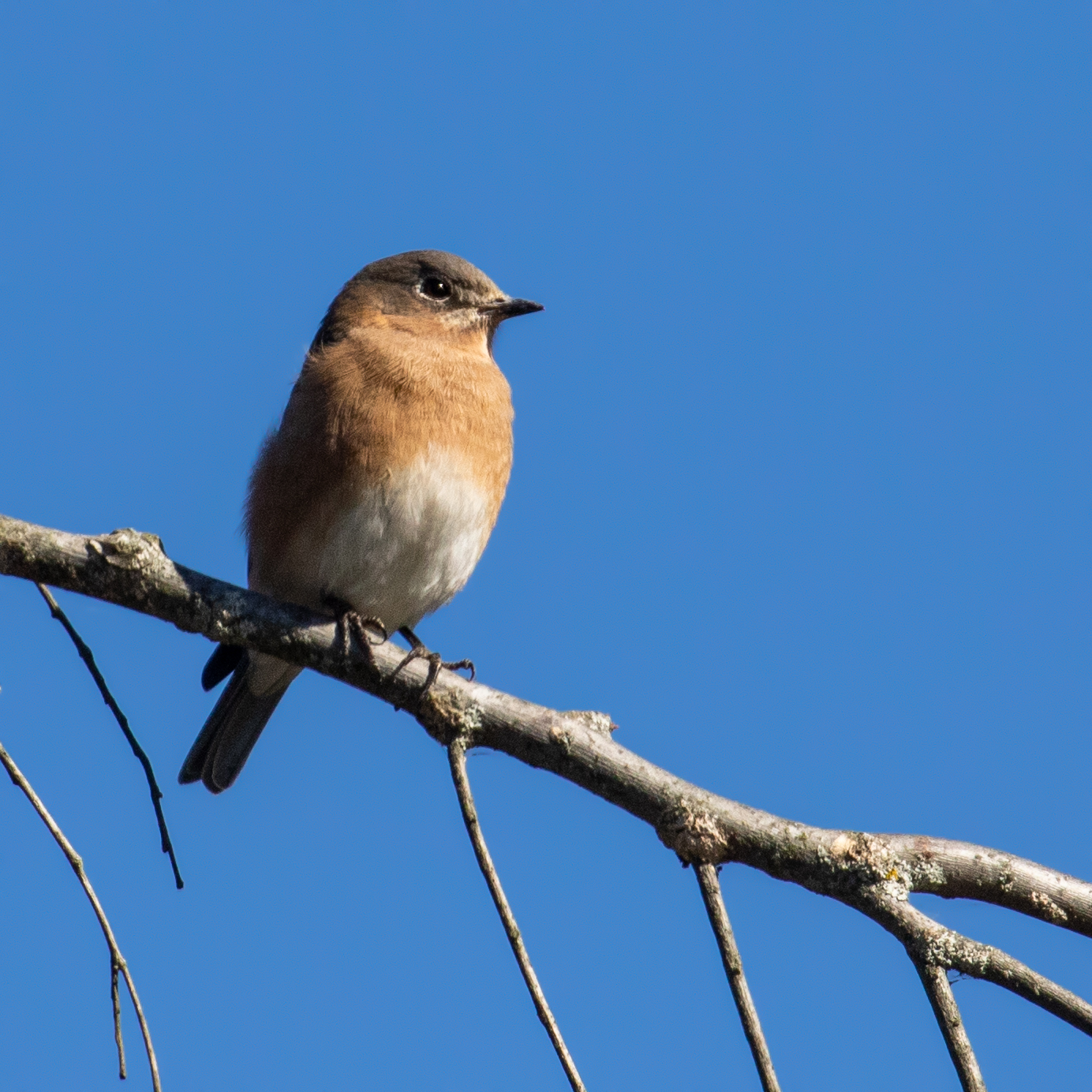
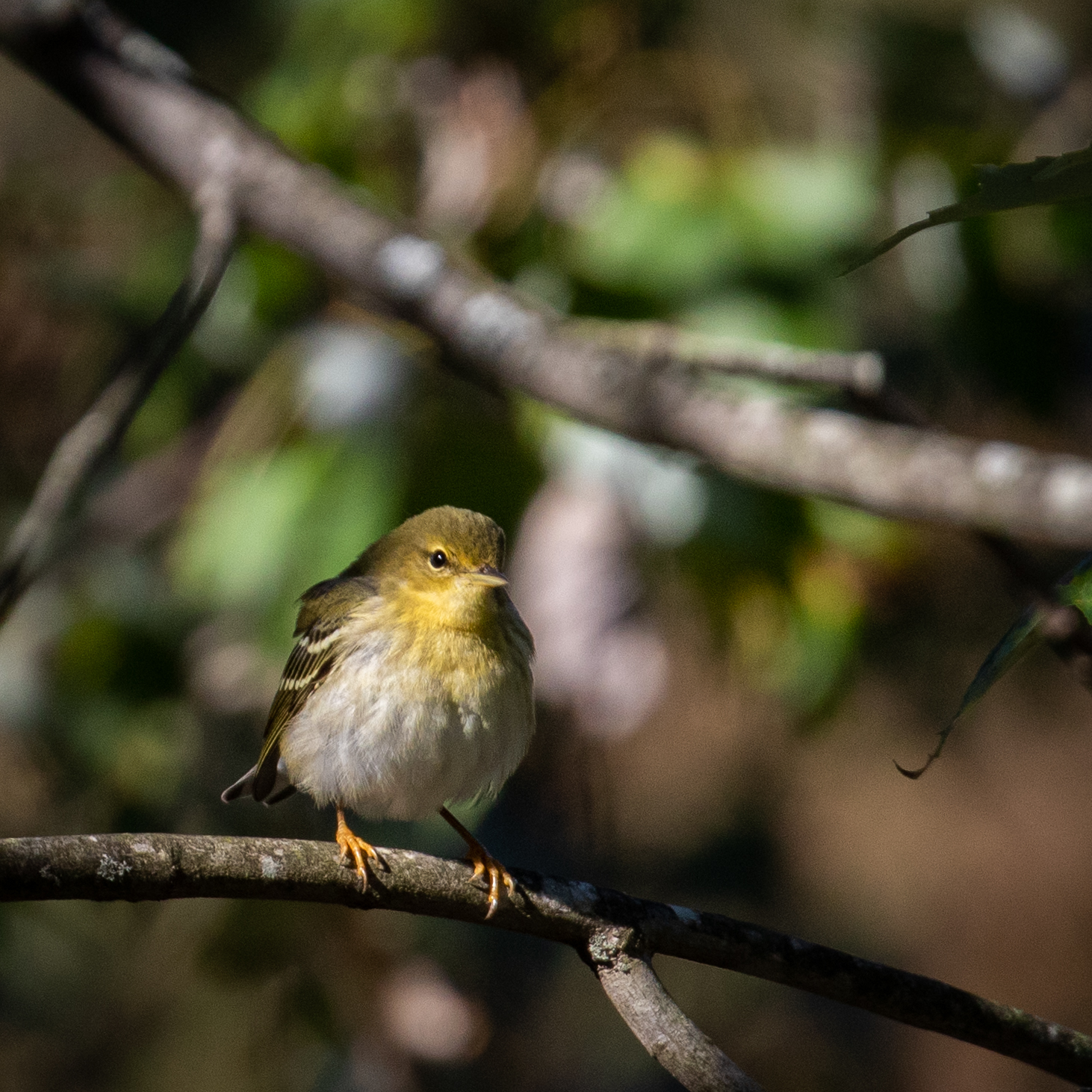
~Yellow-rumped Warbler at Winding Waters Trail, 10/18/26.~~Blackpoll Warbler at Winding Waters, 10/18/26.~~White-tailed Deer at Wickham Lake, 10/18/26.~~I’ve never seen such an angry looking Eastern Bluebird. Winding Waters Trail, 10/18/26.~~Blackpoll Warbler at Winding Waters Trail, 10/18/26.~
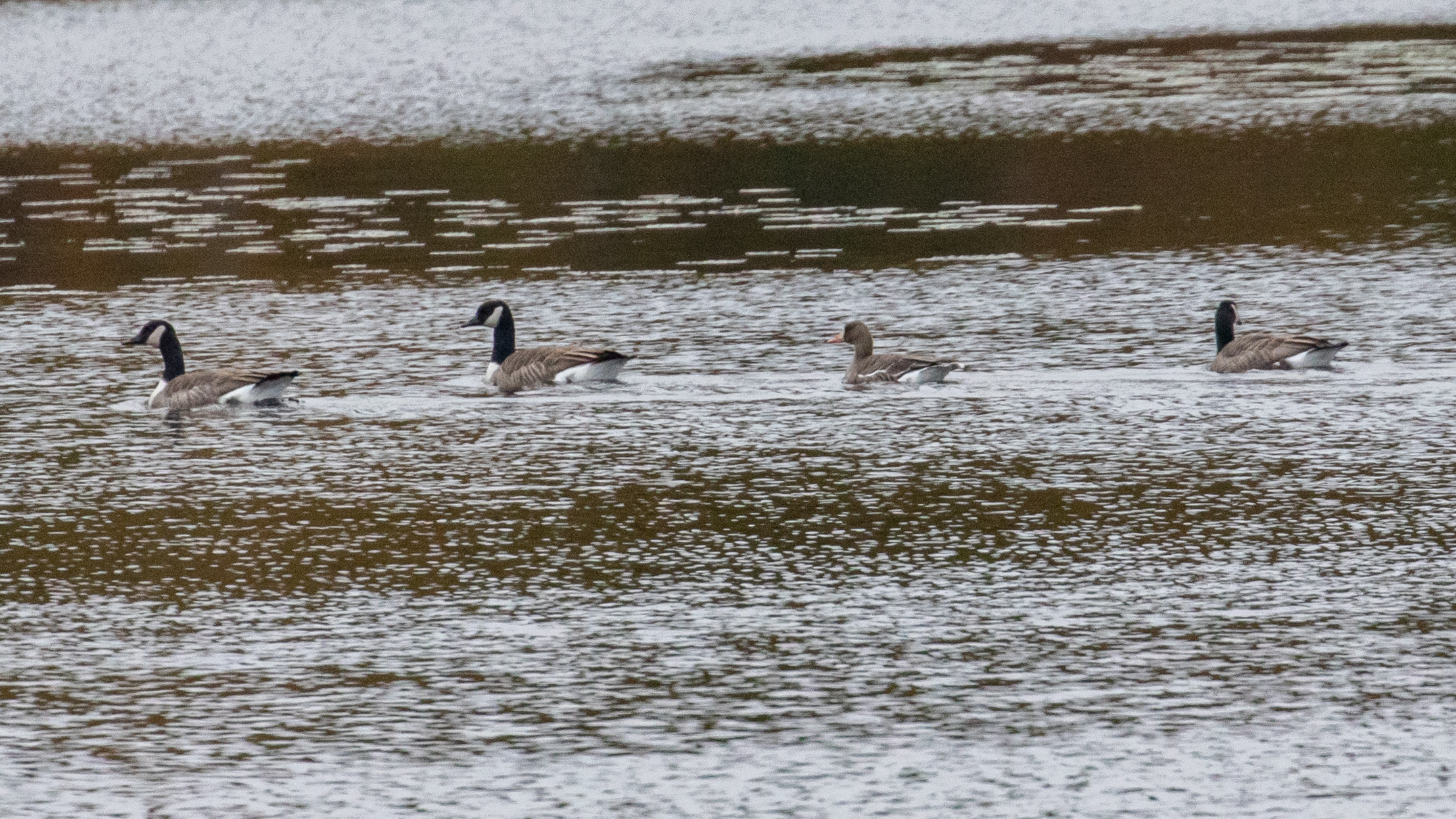
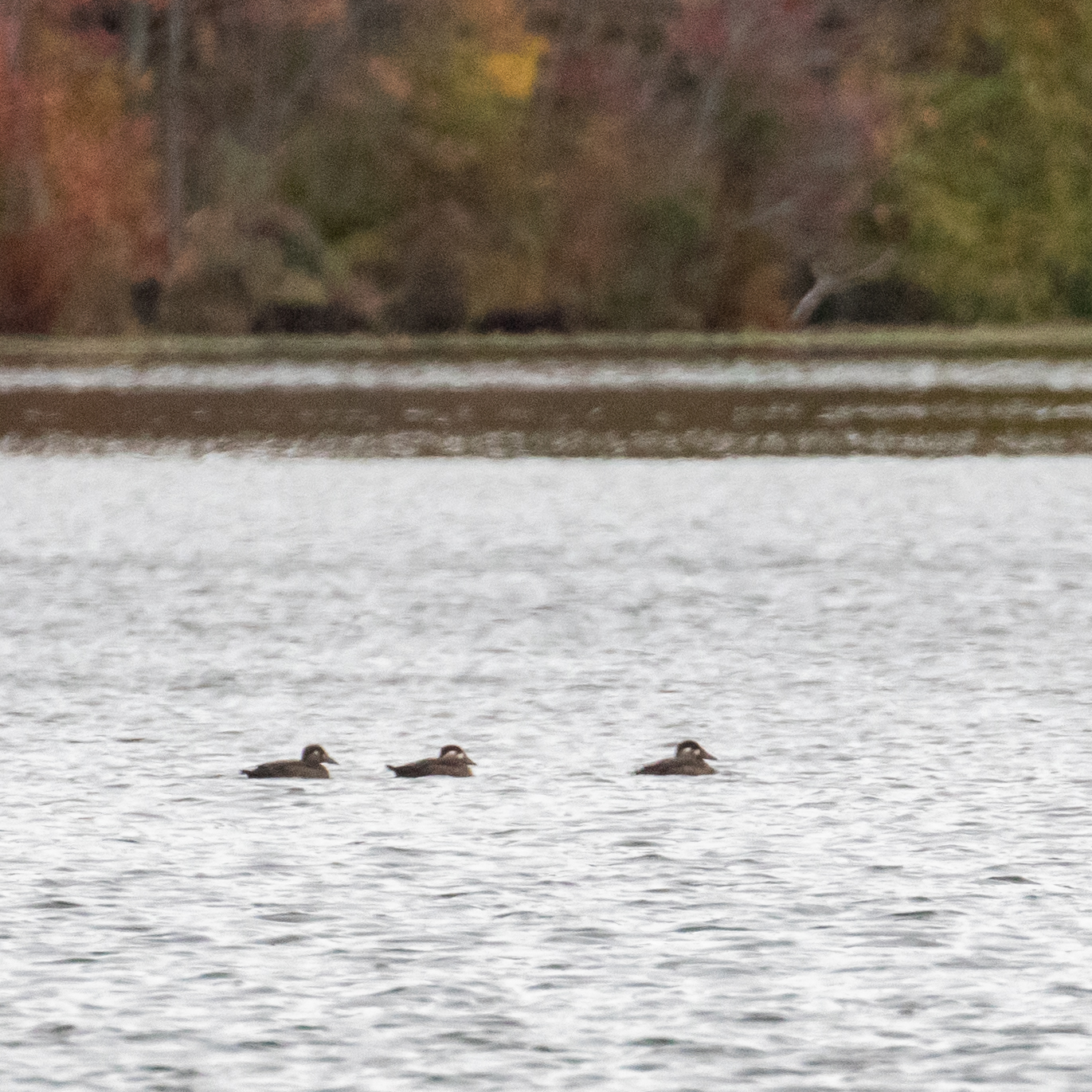
Wow, what a day. I got out a little bit early to do some birding before heading up to Mount Peter to count hawks. My first stop was Glenmere Lake; I wasn’t there for more than 30 seconds when a GREATER WHITE-FRONTED GOOSE swam into my binocular view. I put the word out and then headed over to Wickham Lake, where I was able to locate (3) SURF SCOTERS. Again, I put the word out, but unfortunately the birds flew not long after I first saw them. Before I left to head up to the mountain, I saw an interesting bird fly in and land on the lake. It was a Brant! I was hoping for Brant to flyover at Mt. Peter today, but I wasn’t expecting to see one land.
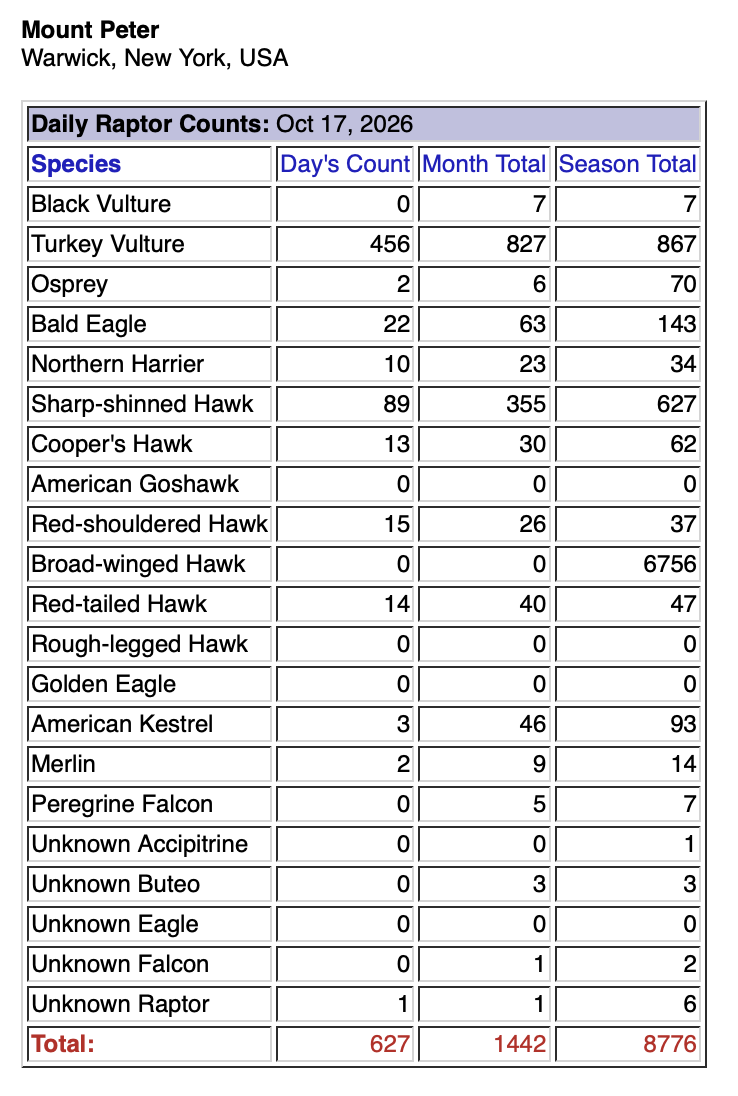
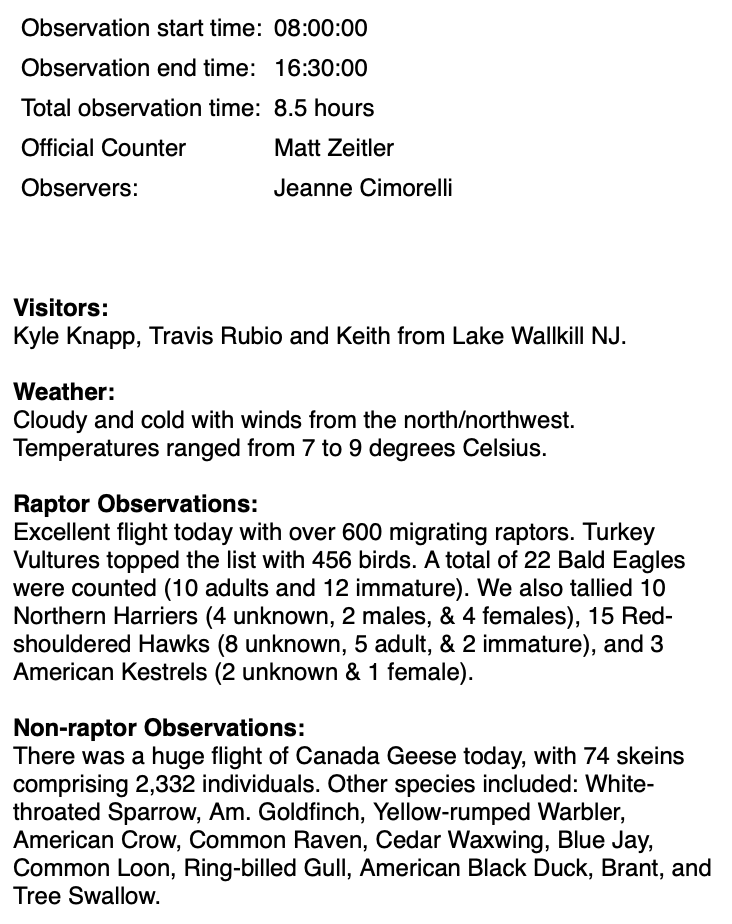
At Mount Peter we had a fantastic flight. Kyle Knapp visited for a little while early, and then Travis Rubio and Jeanne Cimorelli joined me a little bit later and were a great help. For the day we tallied a total of 627 migrating raptors. Over 450 of them were Turkey Vultures – they just seemed to be streaming through non-stop all day long. Other highlights included good numbers for many species: we had 22 Bald Eagles, 10 Northern Harriers, 89 Sharp-shinned Hawks, and 15 Red-shouldered Hawks. Non-raptor activity was pretty exciting too. We had over 70 skeins of Canada Geese fly over; we counted over 2,300 individuals! We had a single skein of Brant, and a couple of Common Loons fly over as well. It was a long, cold, windy day up on the mountain, but it was very rewarding. As usual, I’ve included my Hawkcount.org report at the bottom of this post.
~I wish this was the kind of looks we were getting at Mt. Peter today, lol. I took this in the black dirt on Thursday after work, 10/15/26.~~Greater White-fronted Goose at Glenmere Lake, 10/17/26.~~Surf Scoters at Wickham Lake, 10/17/26.~~One of 22 migrating Bald Eagles! Plus we had another 8 or so that headed north and weren’t counted! It was quite a day for Bald Eagles. Mt. Peter Hawkwatach, 10/17/26.~
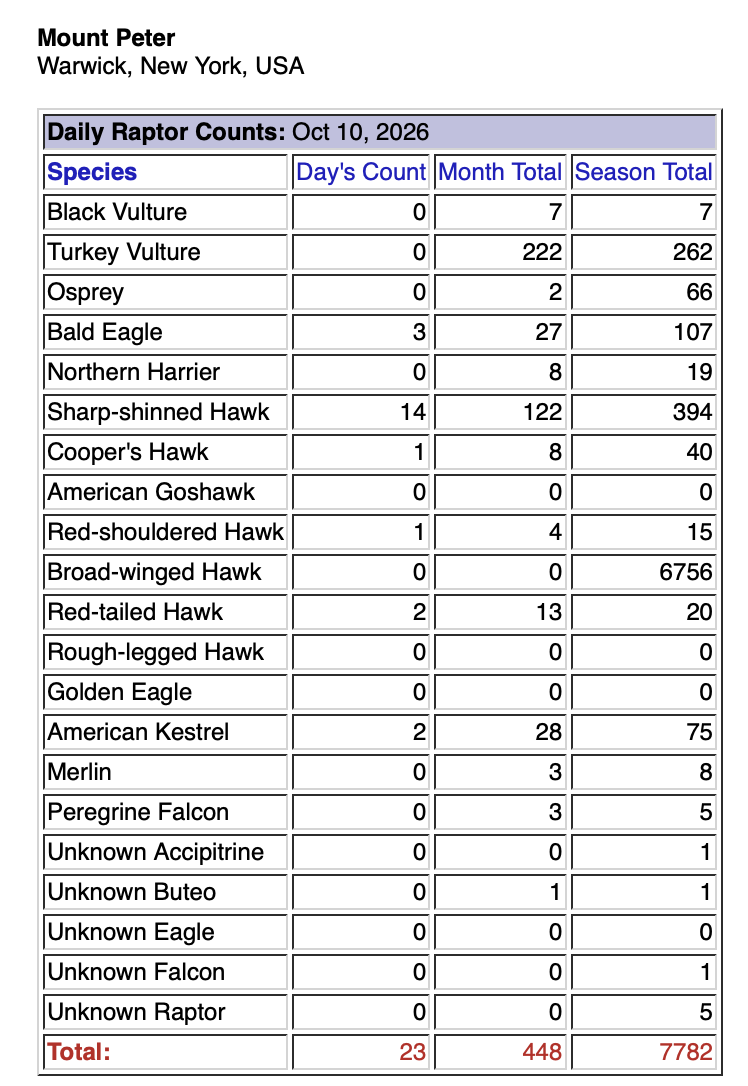
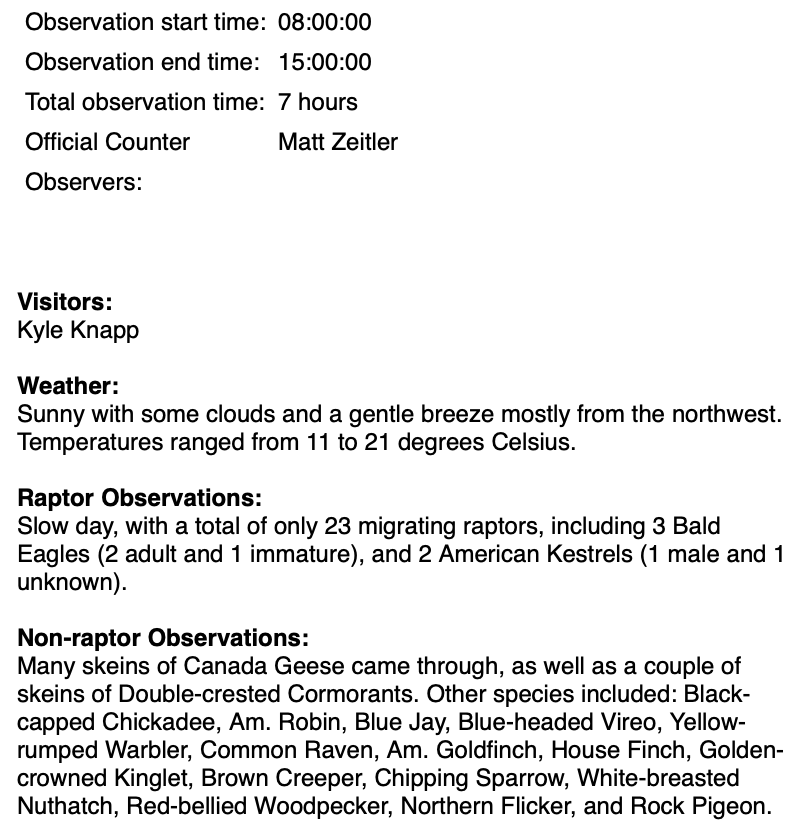
First thing this morning, I took a quick cruise through the black dirt. The highlight was a dozen plovers flying over – my Merlin app indicated both American Golden Plover and Black-bellied Plovers were calling. Afterwards, I headed up to Mount Peter for the day’s hawkwatch. Unfortunately it was a slow flight, with only 23 migrating raptors counted. Still, it was enjoyable – Kyle Knapp visited for a good while; it was good to catch up with him, and there were plenty of skeins of Canada Geese coming through to keep our attention. We kept hoping for a skein of Brant, but it was not to be. We did have a couple skeins of Double-crested Cormorants, which was nice. As usual, I’ve included my Hawkcount.org report at the bottom of this post.
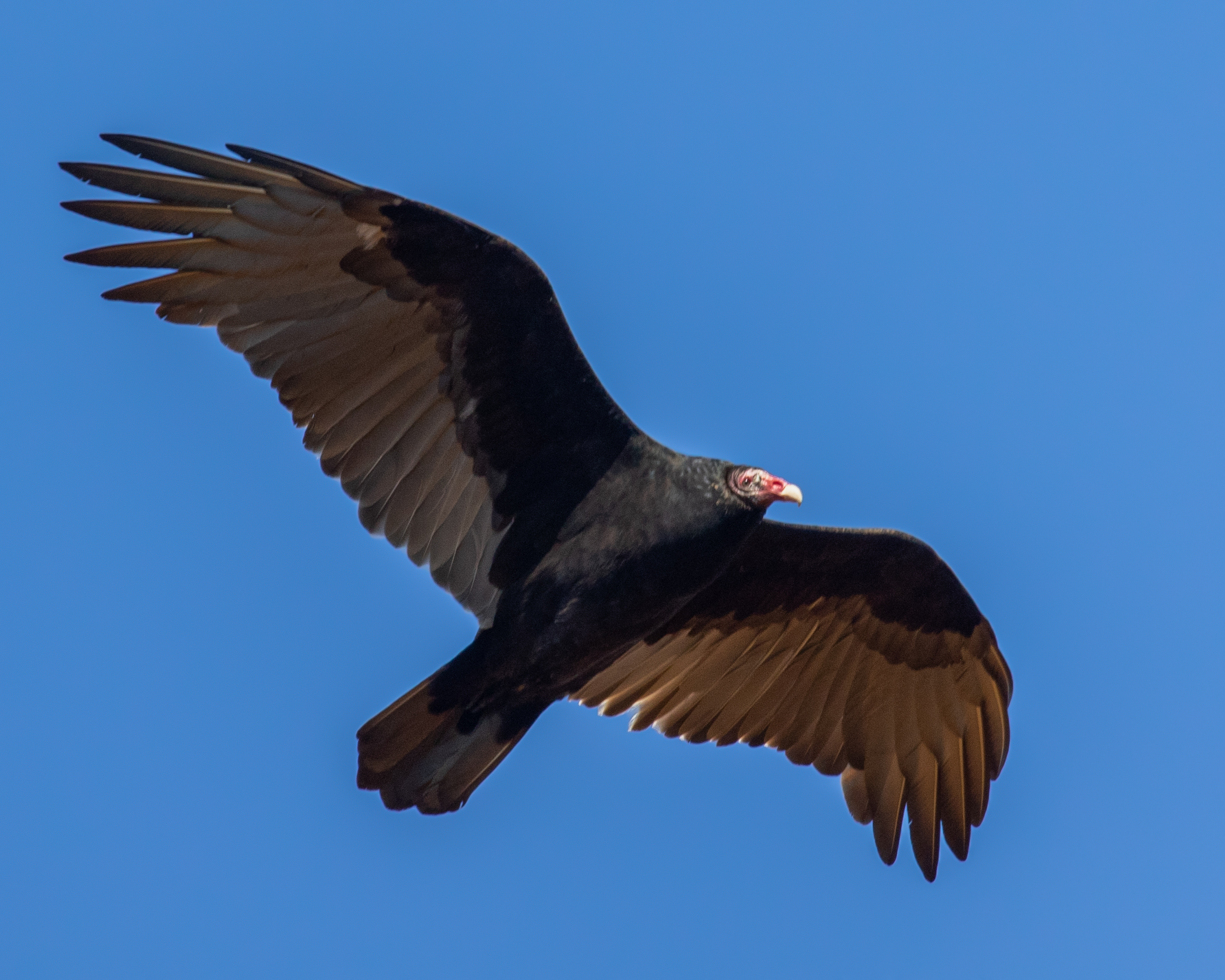
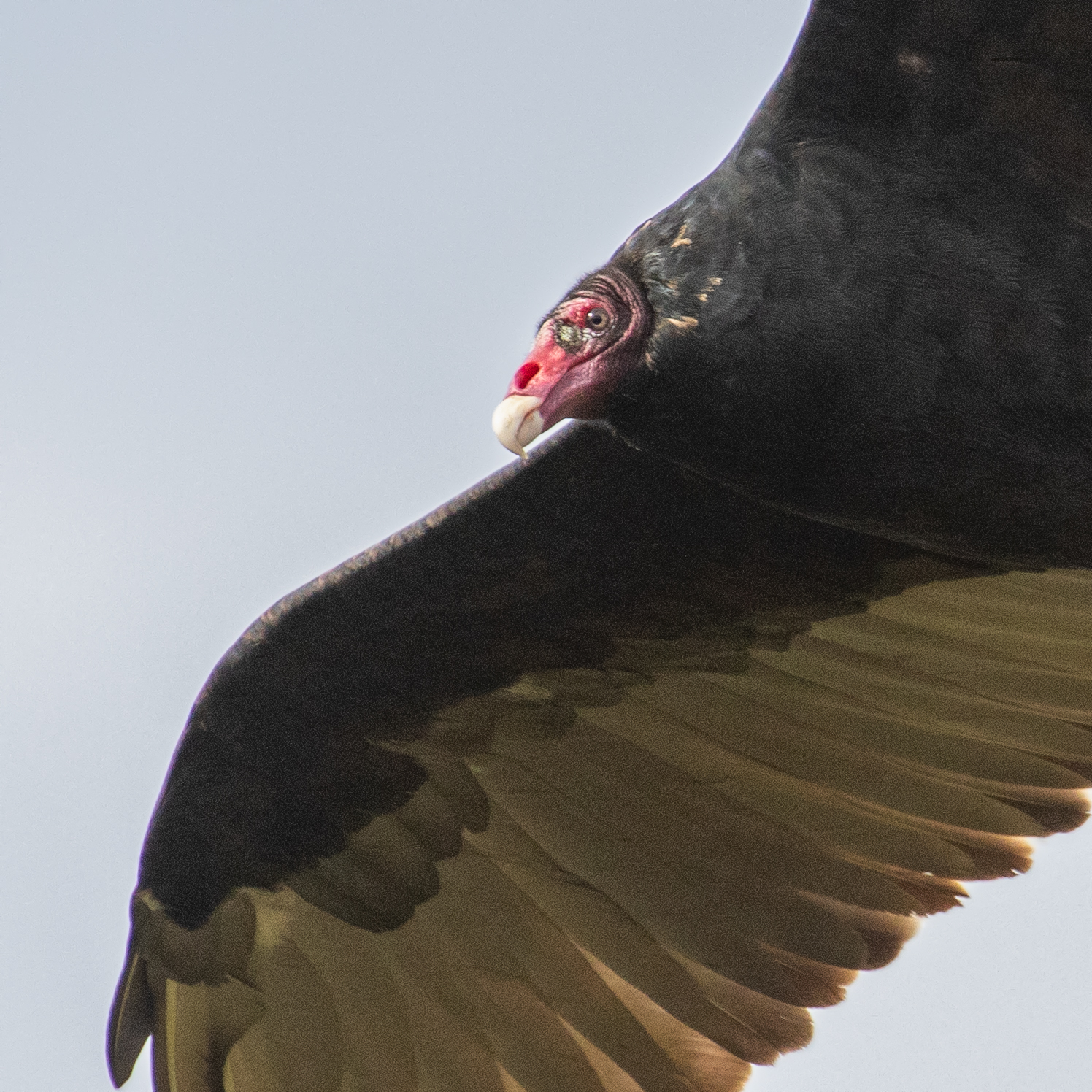
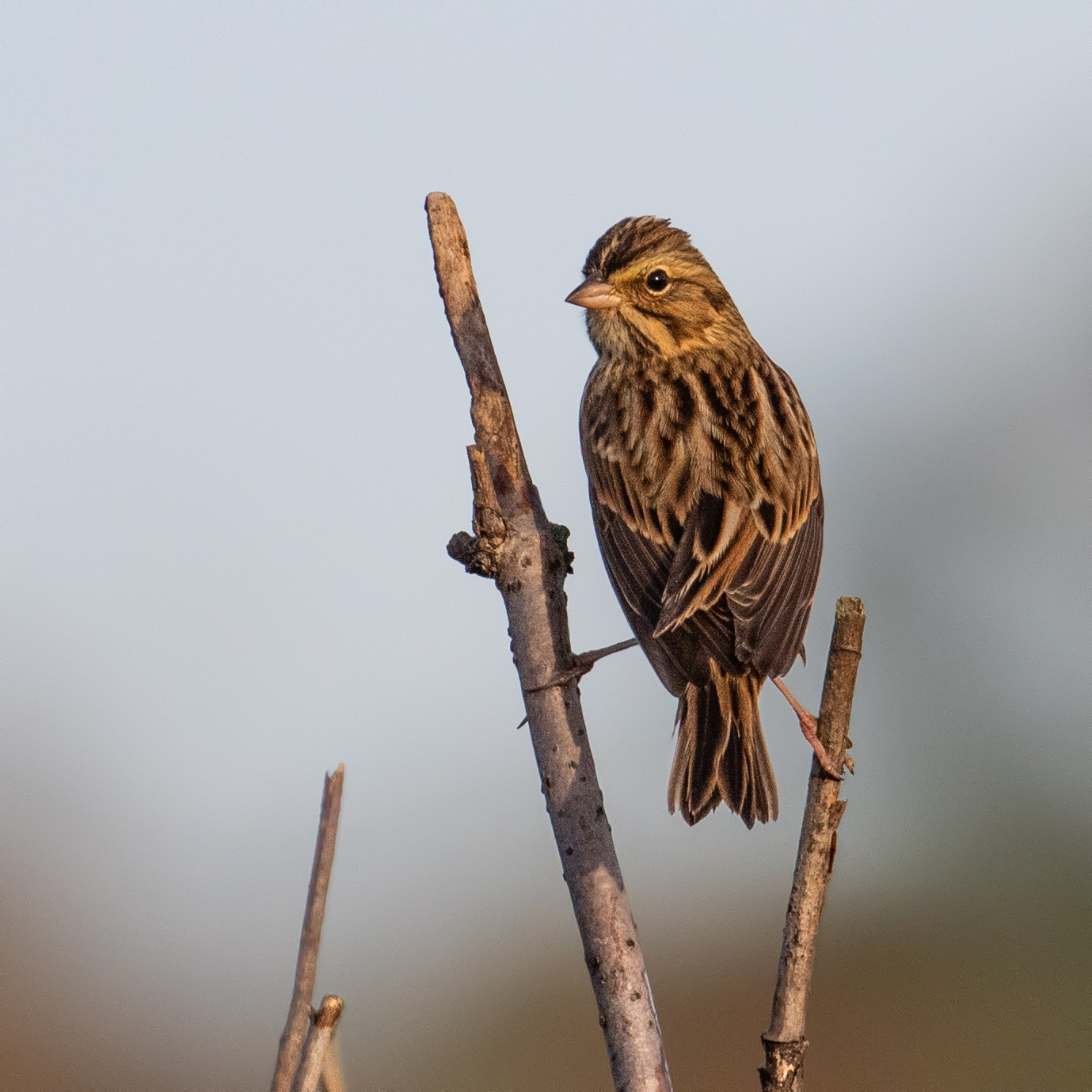
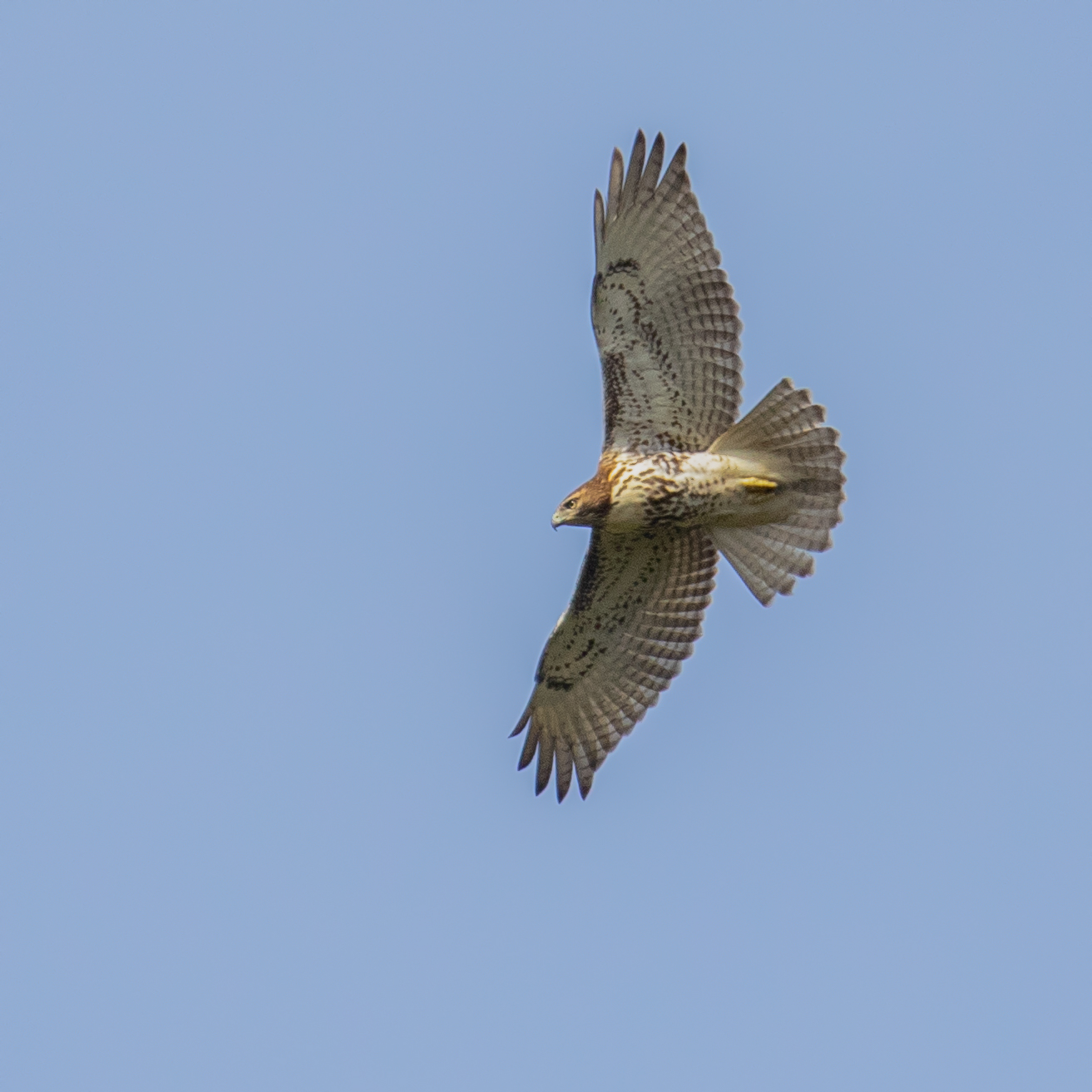
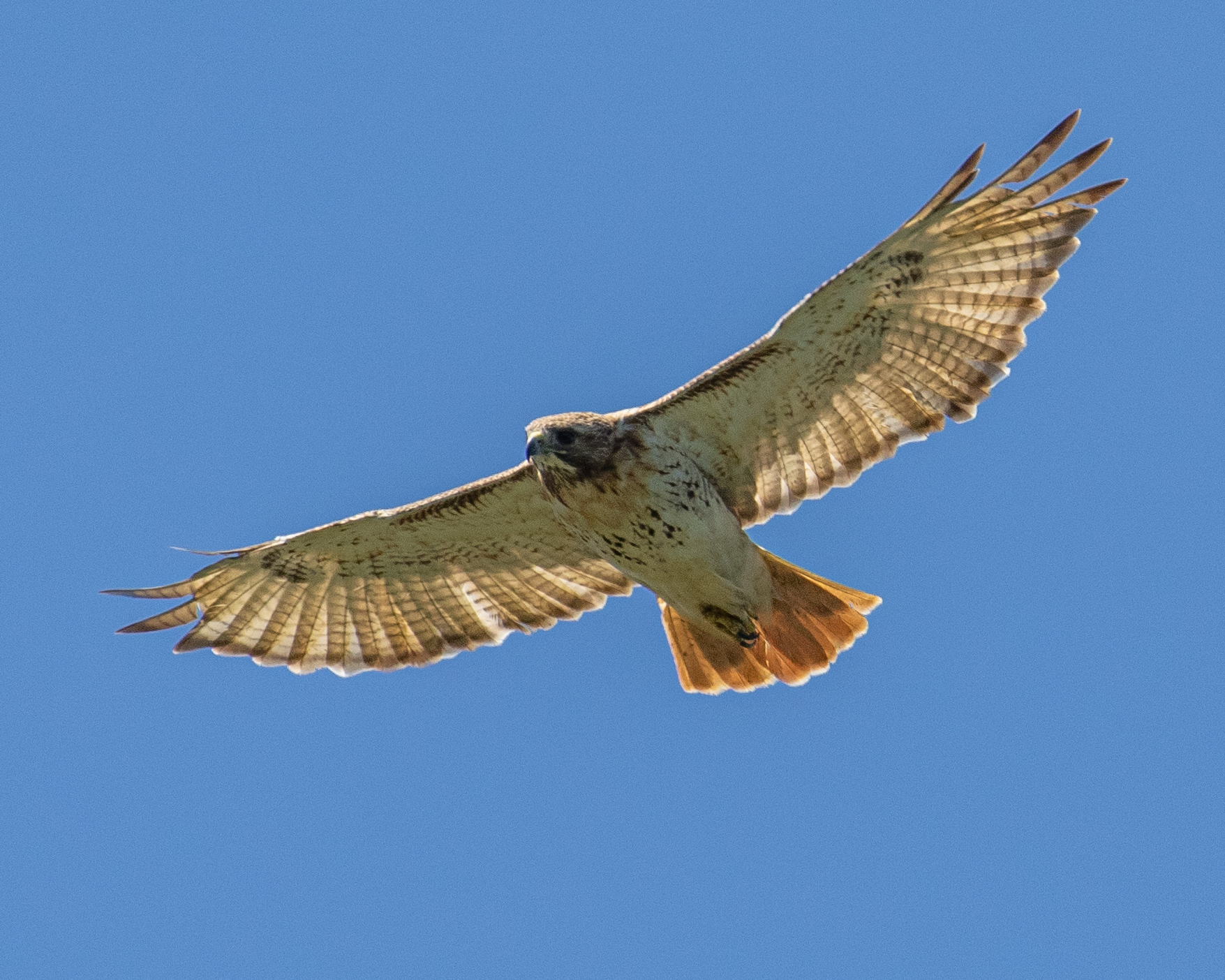
~Turkey Vulture up close and personal at Mt. Peter Hawkwatch, 10/10/26. ~Savannah Sparrow in the black dirt, 10/10/26.~~A local Red-tailed Hawk does a flyby over the platform at Mount Peter Hawkwatch, 10/10/26.~
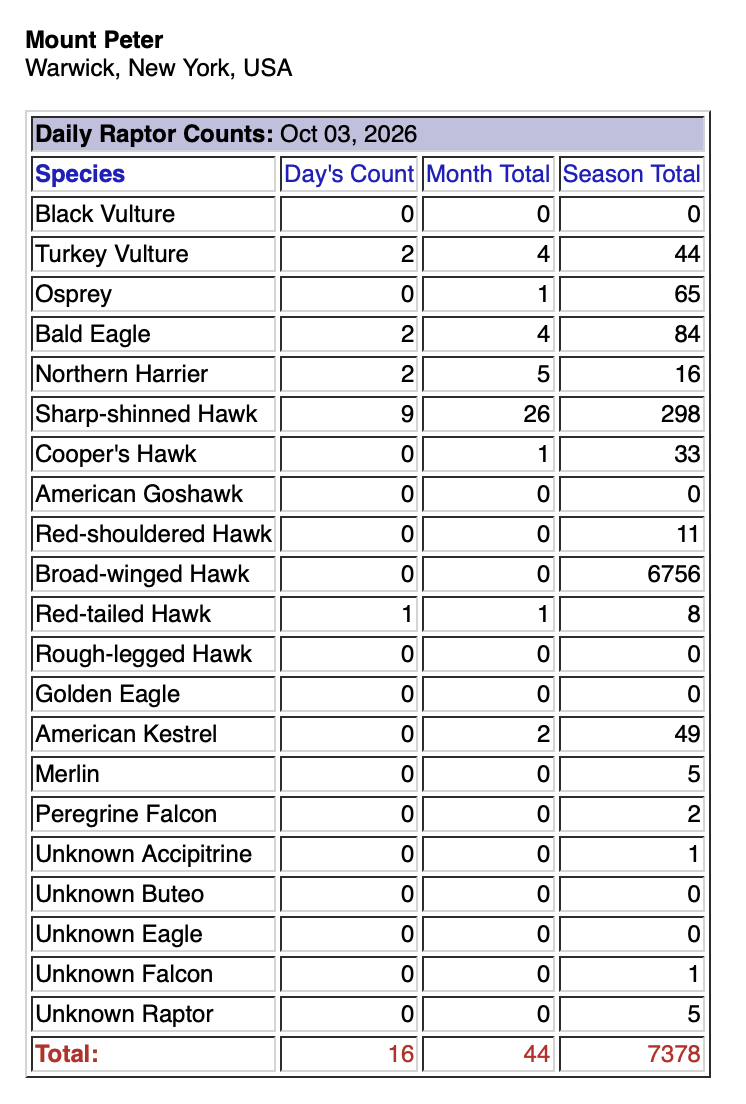
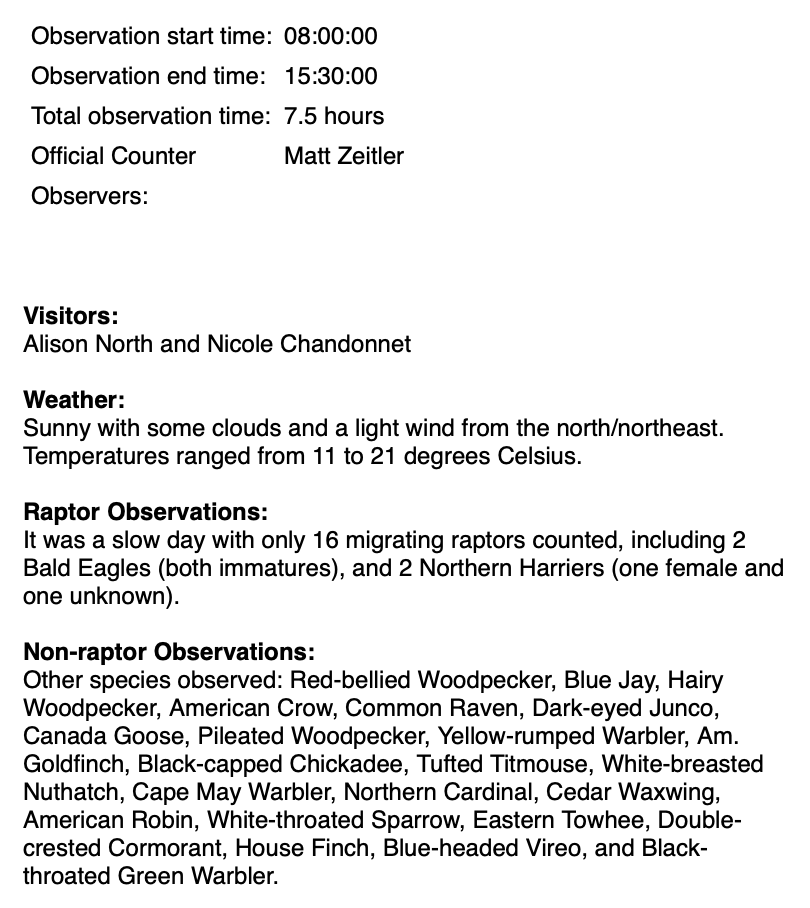
It was an enjoyable weekend of birding for me. On Saturday I counted up at Mount Peter Hawkwatch. It was a slow day for migrating raptors, but I still enjoyed the day. I had over two dozen species outside of migrating raptors, and I also had some really nice and interested/interesting visitors. I’ve included my Hawkcount.org report at the bottom of this post.
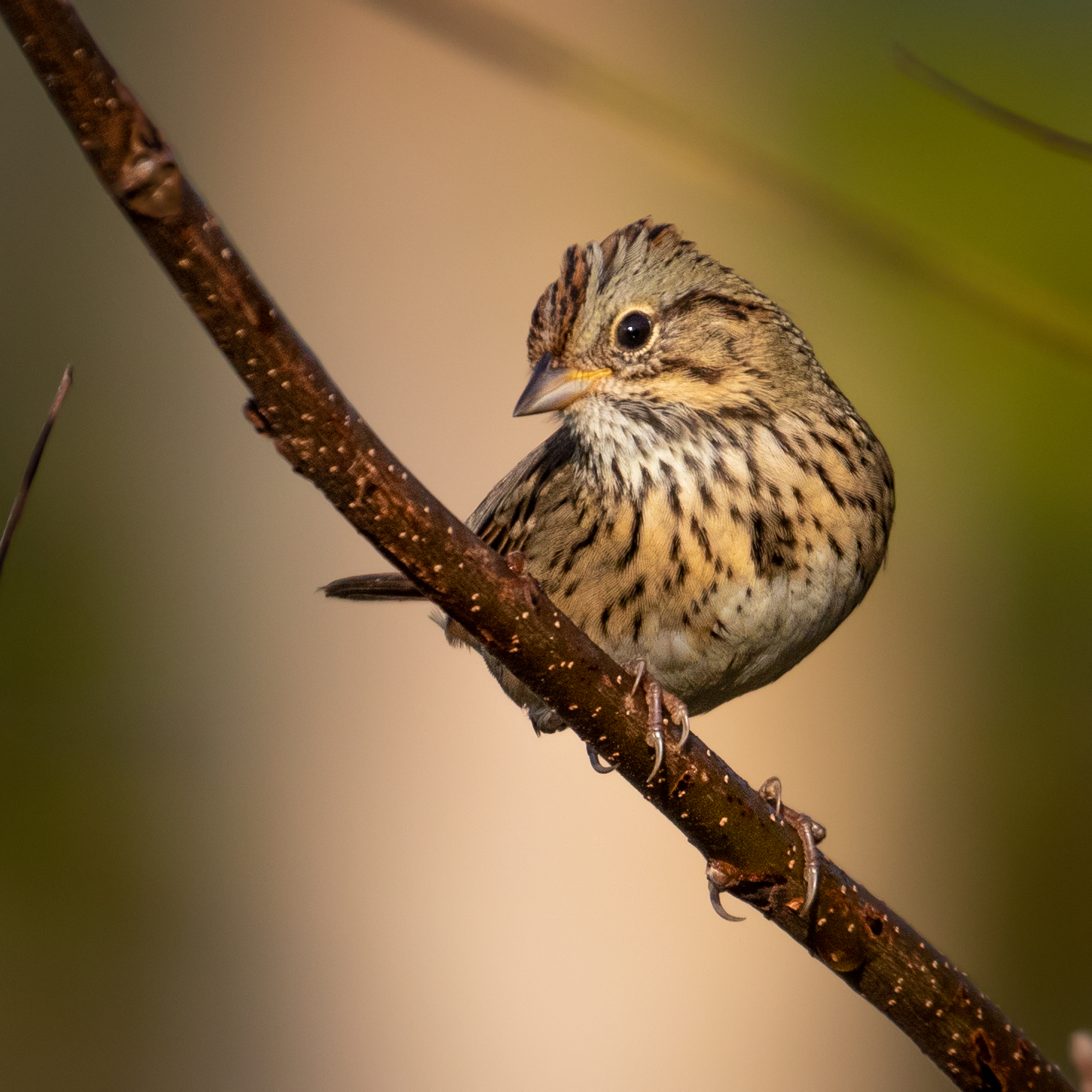
Then, this morning, I walked the full Winding Waters loop at Wallkill River National Wildlife Refuge. It was a very birdy walk where I tallied over 40 species observed. Sparrows ruled the day, with a single Field Sparrow, a handful of Dark-eyed Juncos, and plenty of Song, Swamp, Lincoln’s, White-throated, and Savannah sparrows. Other birds of note included a Sandhill Crane flyover (2 birds), a couple of Rose-breasted Grosbeaks, several Golden-crowned Kinglets, a single Ruby-crowned Kinglet, a couple of Pine Warblers, and three Palm Warblers. The Palm Warblers were species #200 in Orange County for the year; it always feels good to reach that milestone.
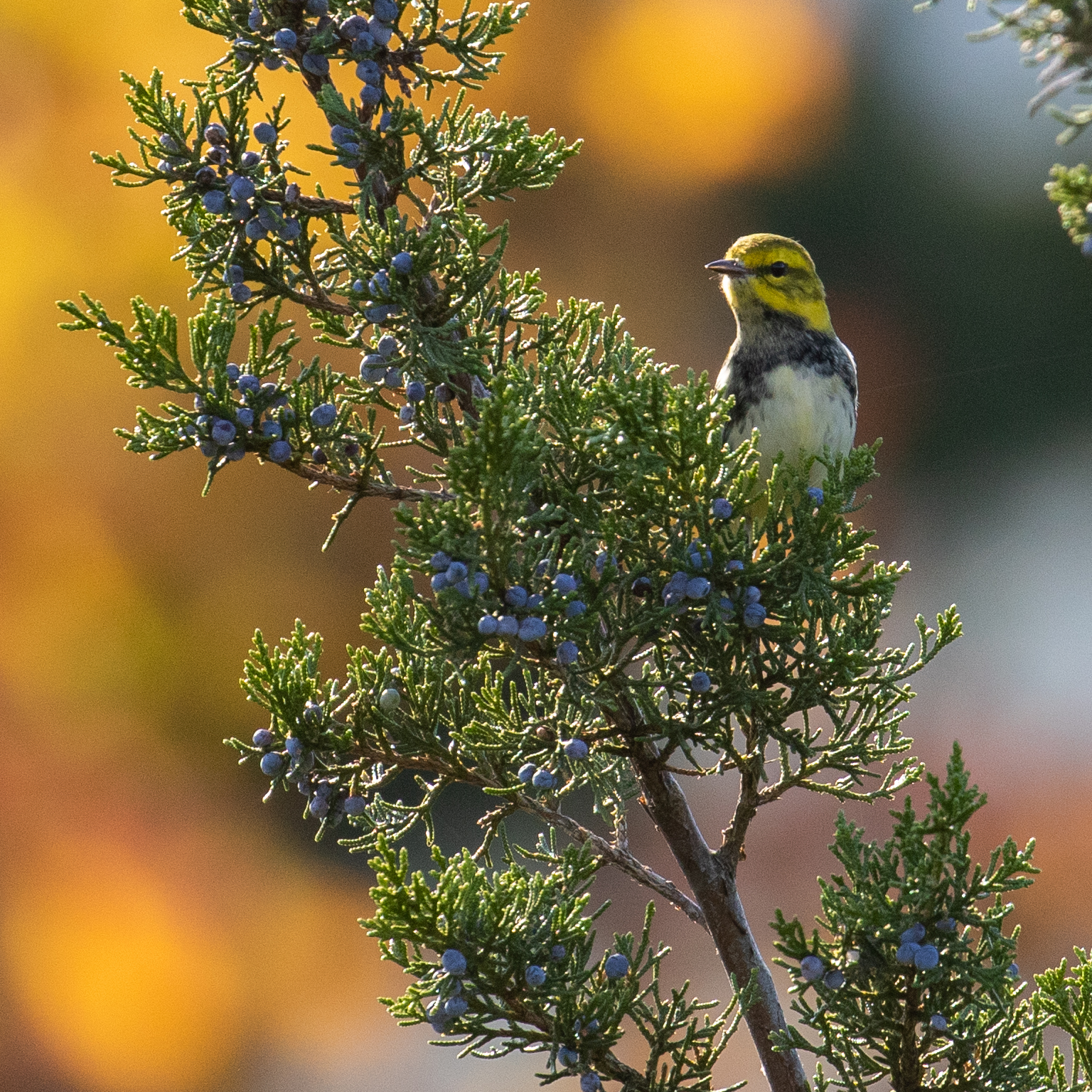
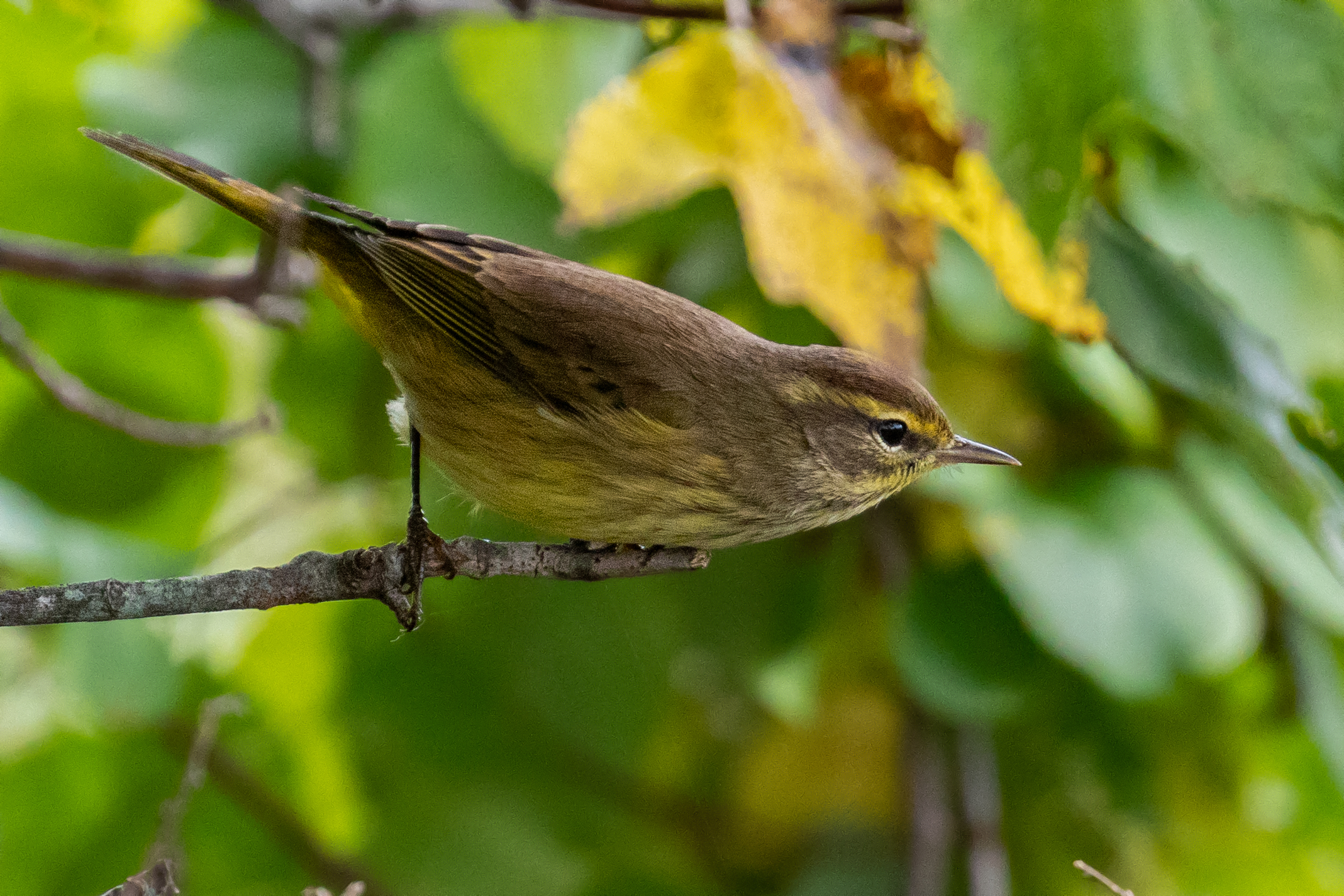
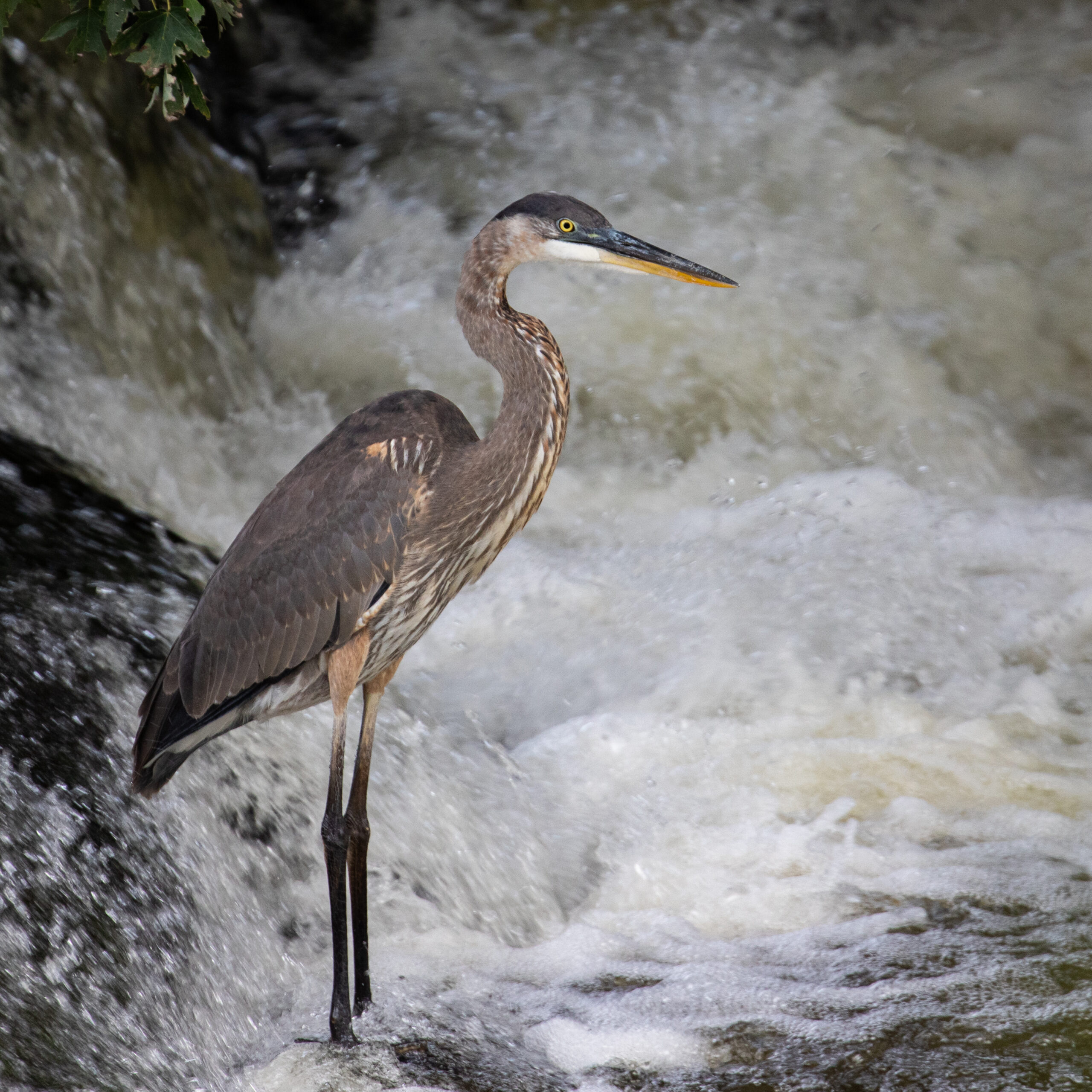
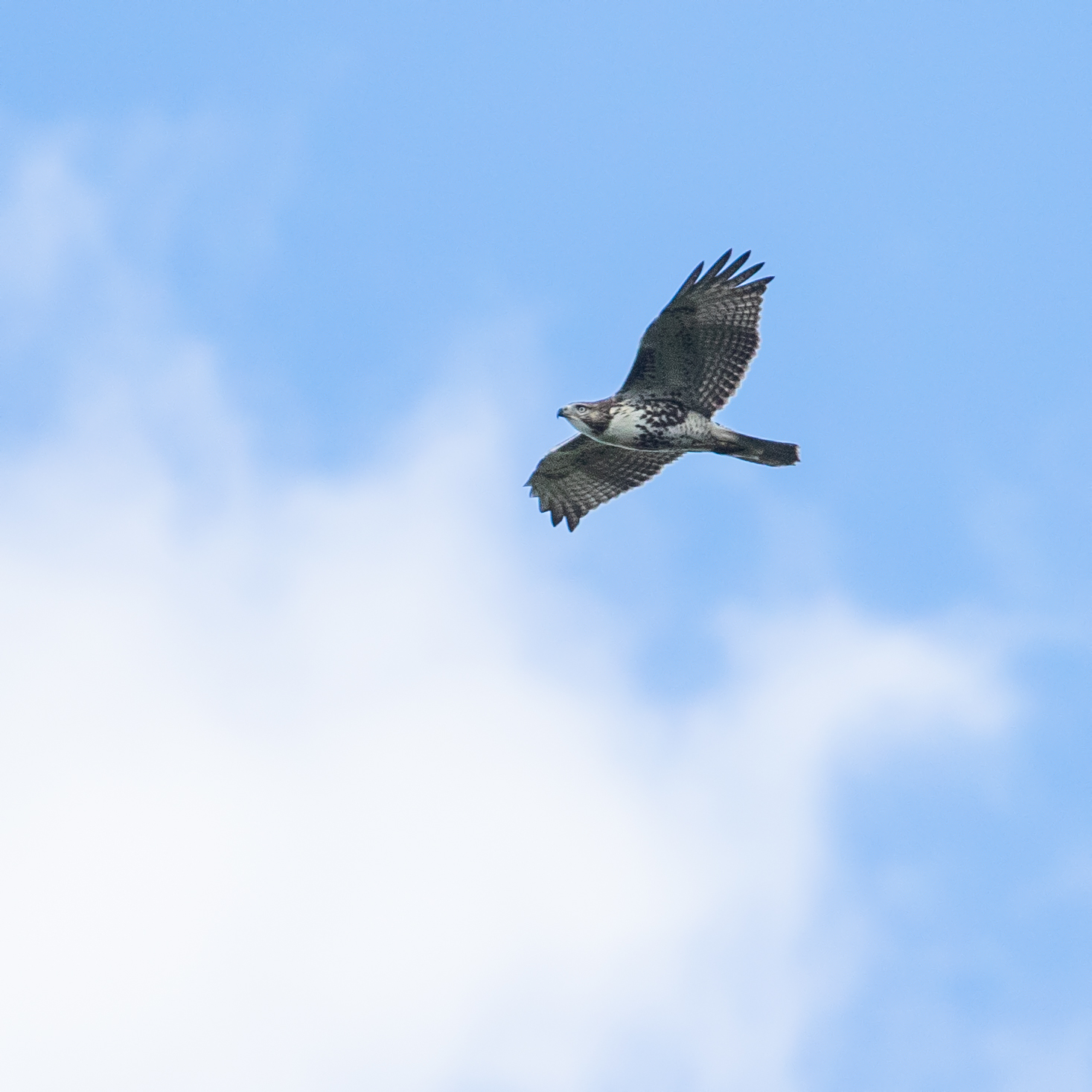
~Always a favorite – Lincoln’s Sparrow at Winding Waters Trail, 10/04/26.~~Black-throated Green Warbler with some pleasant fall foliage in the background at Mount Peter Hawkwatch 10/03/26.~~A quick stop by the Liberty Loop after Winding Waters yielded this Palm Warbler shot, 10/04/26.~~It was pretty cool to see this Great Blue Heron standing in the white water in the Wallkill River along the north end of the trail.~~A local Red-tailed Hawk at Mount Peter Hawkwatch, 10/03/26.~~Blue-headed Vireo at Mount Peter Hawkwatch, 10/03/26.~
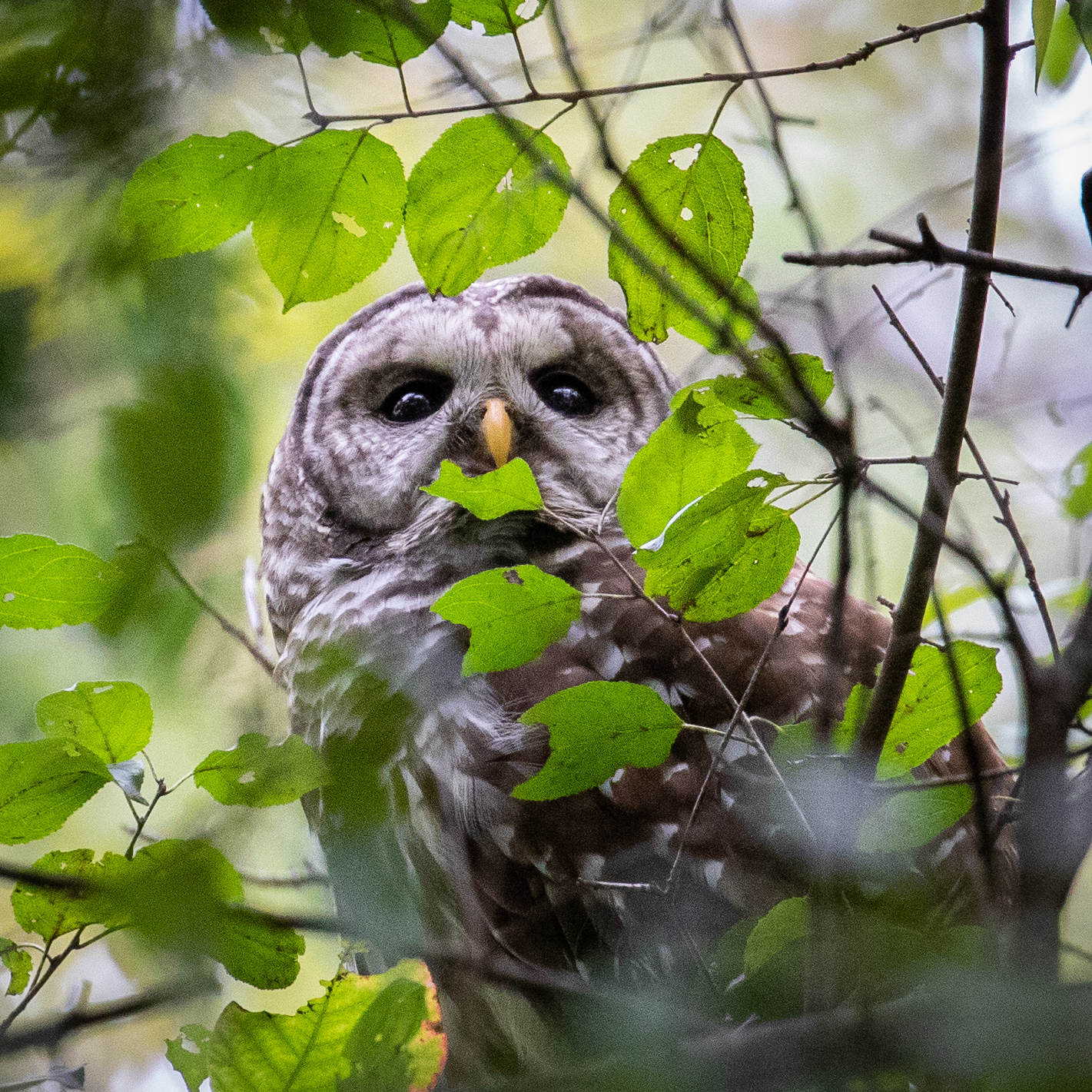
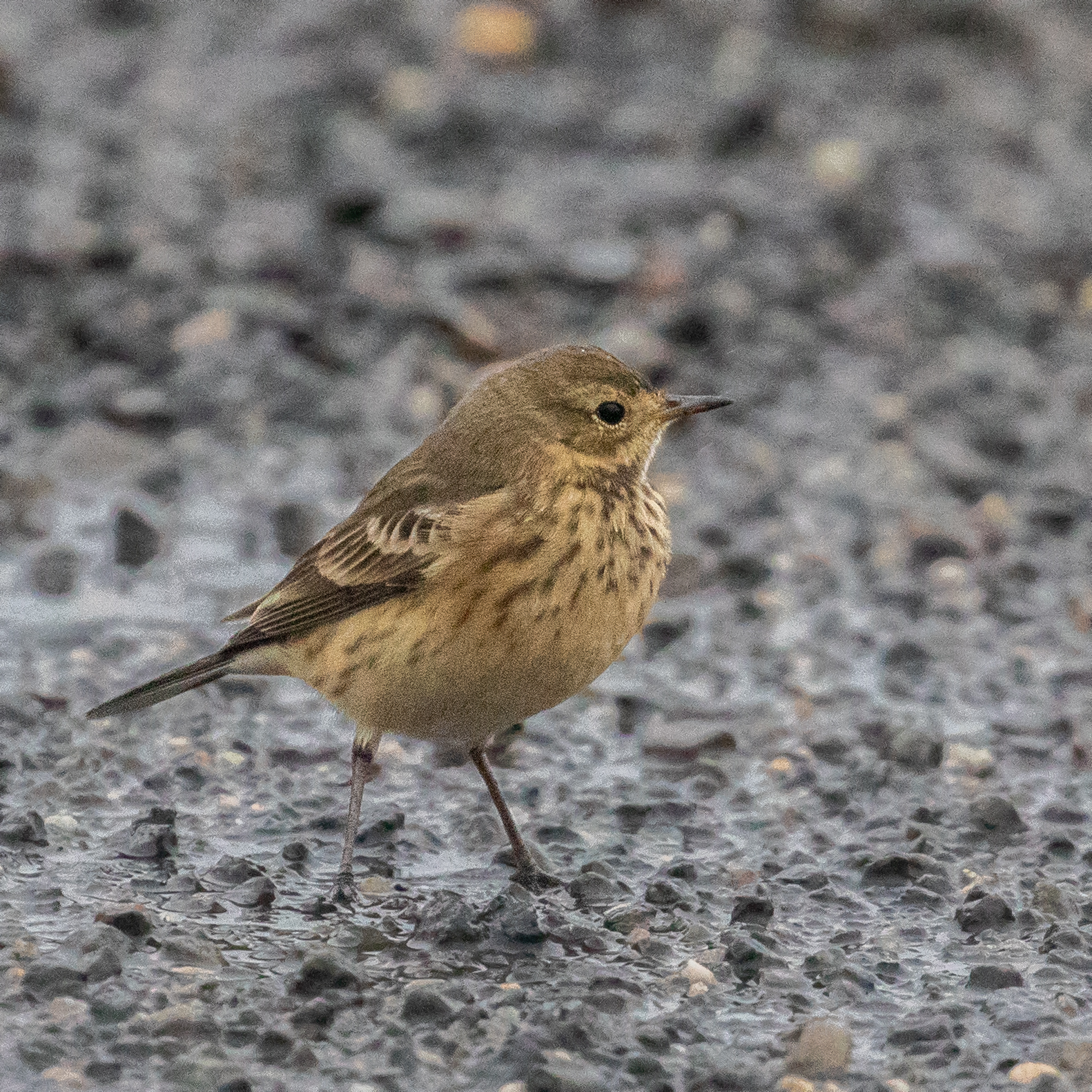
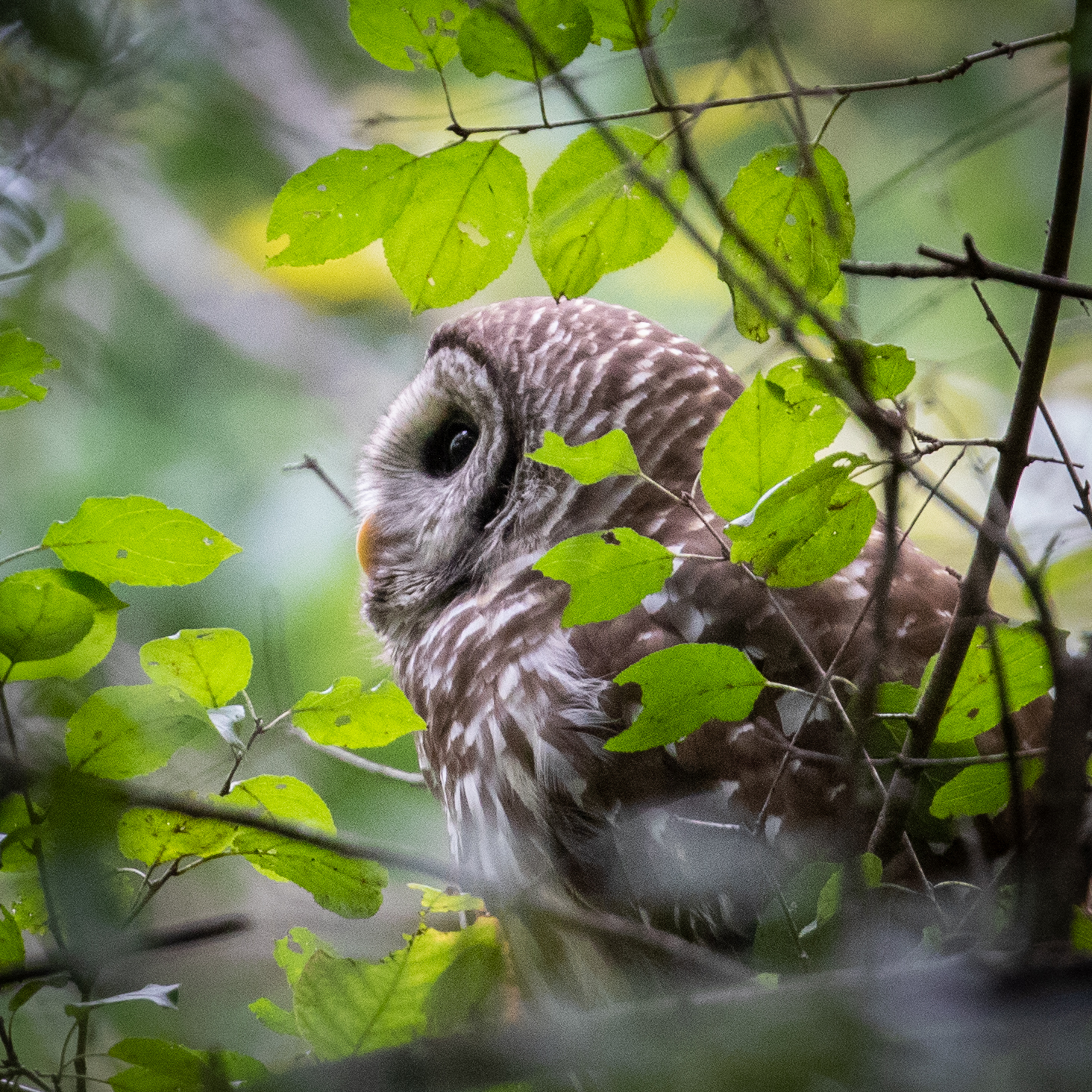
This weekend’s nor’easter foiled my scheduled plans. I was supposed to go on a fishing trip with my work on Saturday and then I was going to count at Mount Peter Hawkwatch on Sunday. Both didn’t happen due to the weather. Instead, I birded the black dirt both mornings, hoping that the storm would bring in something exciting. That didn’t happen, but the birding was still pretty good. Of note, I got my first good look at an American Pipit and even had a small flock flying in the distance. I got my first Lincoln’s Sparrow of the year. I also did really well with raptors. It made me think about how lucky we are to have access to so many raptors in our area; sometimes I think I take it for granted. During my travels between the two days, I had 11 species of raptors: Black Vulture, Turkey Vulture, Cooper’s Hawk, Sharp-shinned Hawk, Northern Harrier, Bald Eagle, Red-shouldered Hawk, Red-tailed Hawk, American Kestrel, Peregrine Falcon, and Barred Owl.
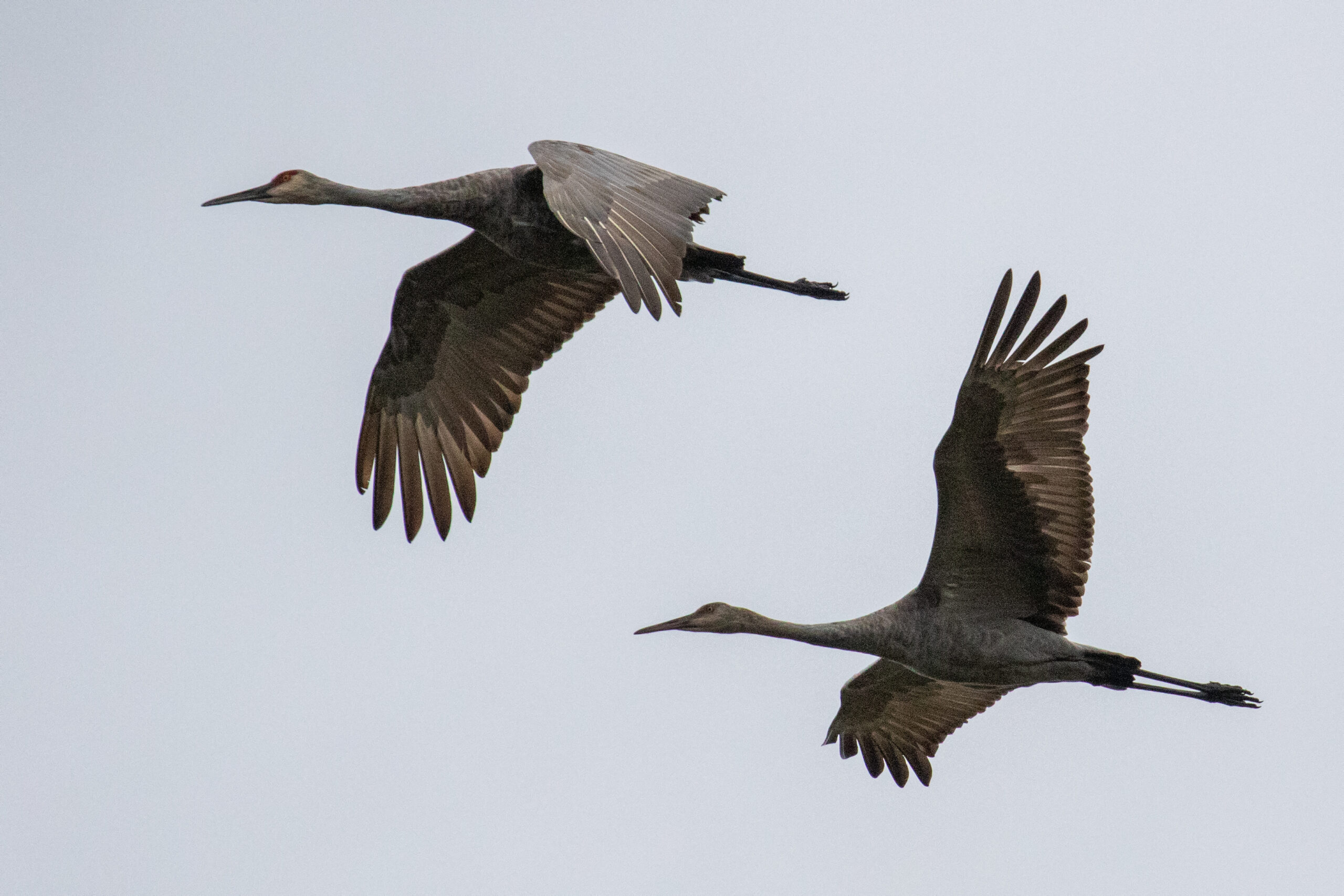
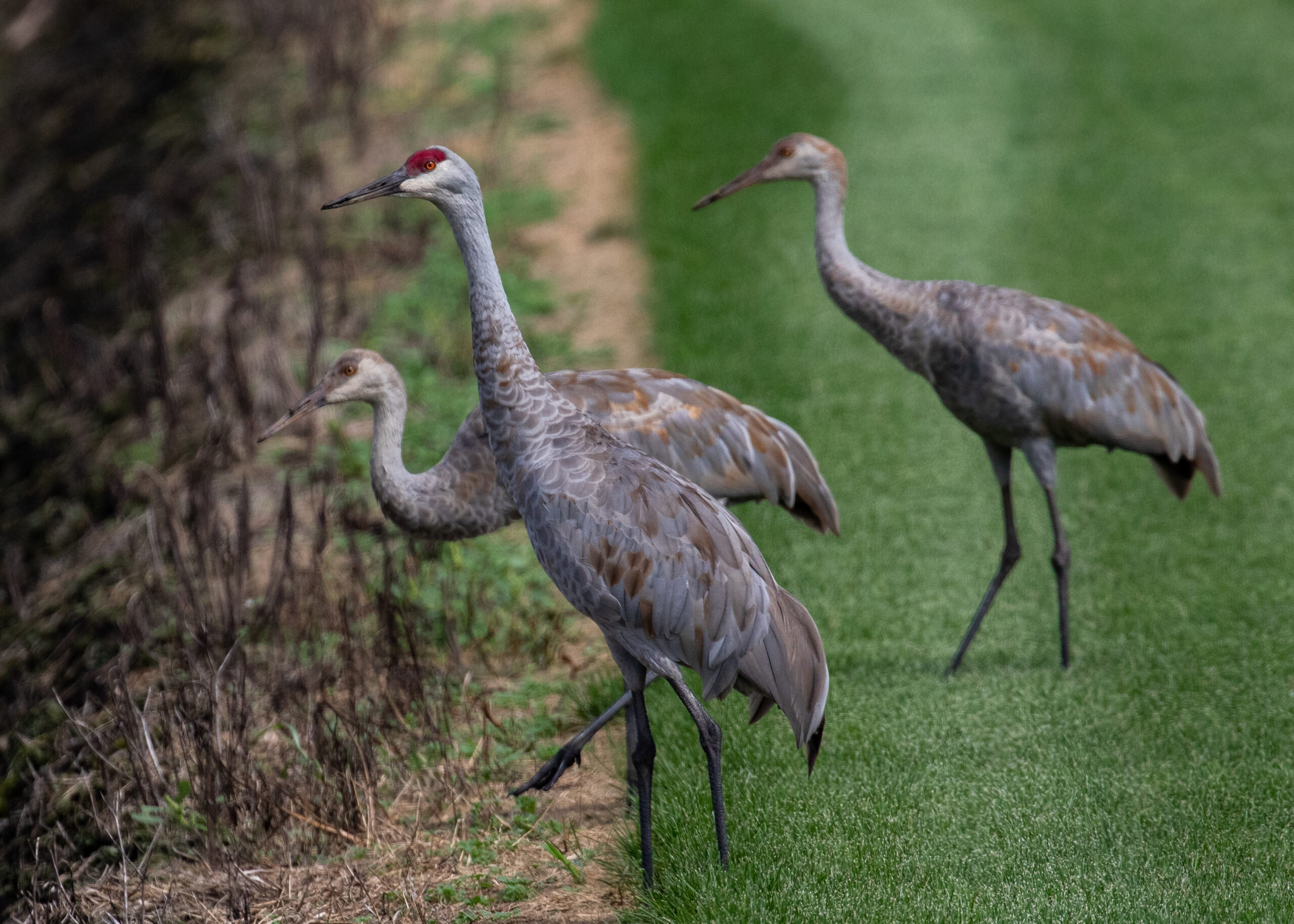
~Orange County Barred Owl, 09/26/26.~~My first American Pipit shot of the year, Black Dirt Region, 09/27/26.~~I seem to be running into the same 4 Sandhill Cranes just about every weekend. Here’s two of the four flying over the Liberty Loop, 09/26/26.-One more shot of the Barred Owl, Orange County NY 09/26/26.~
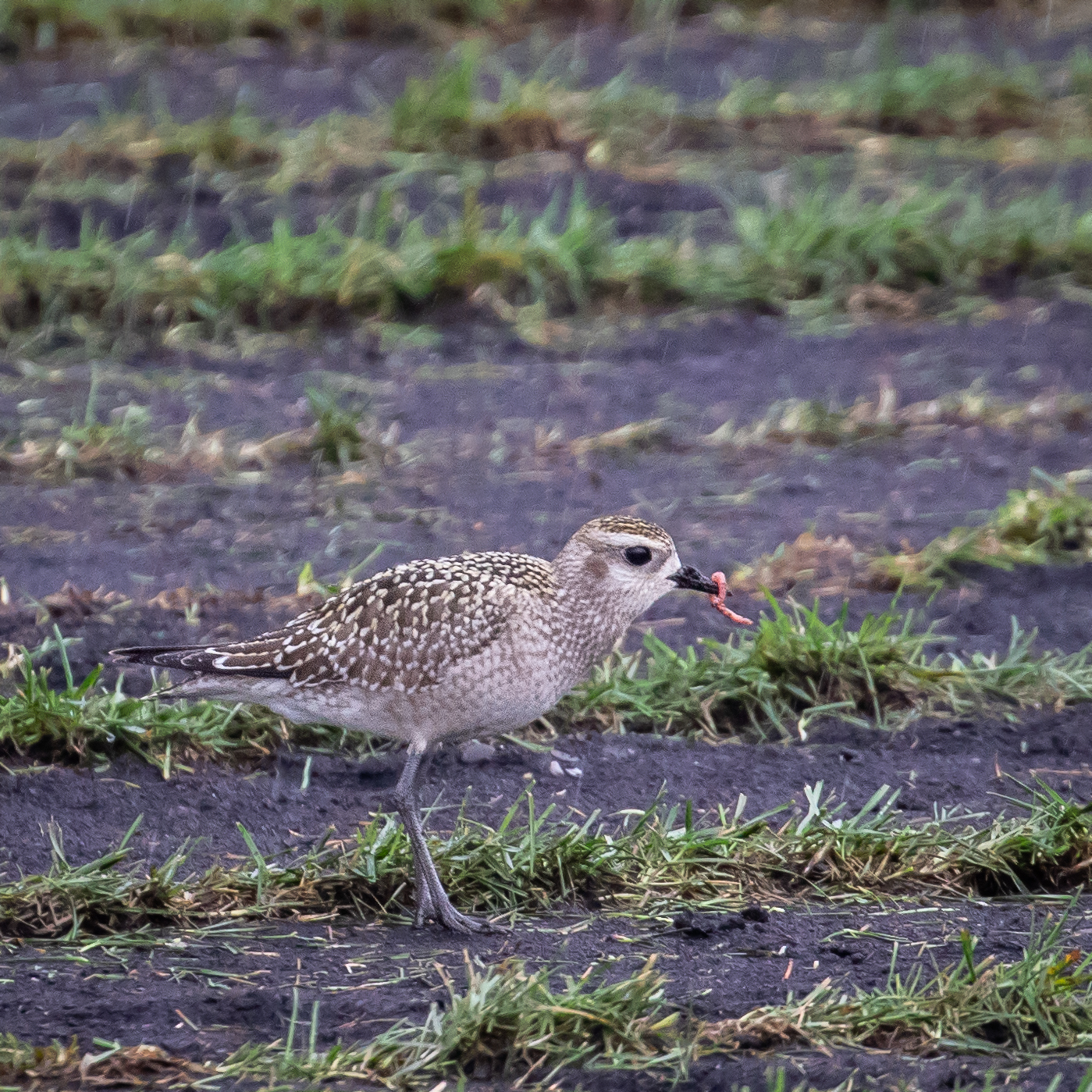
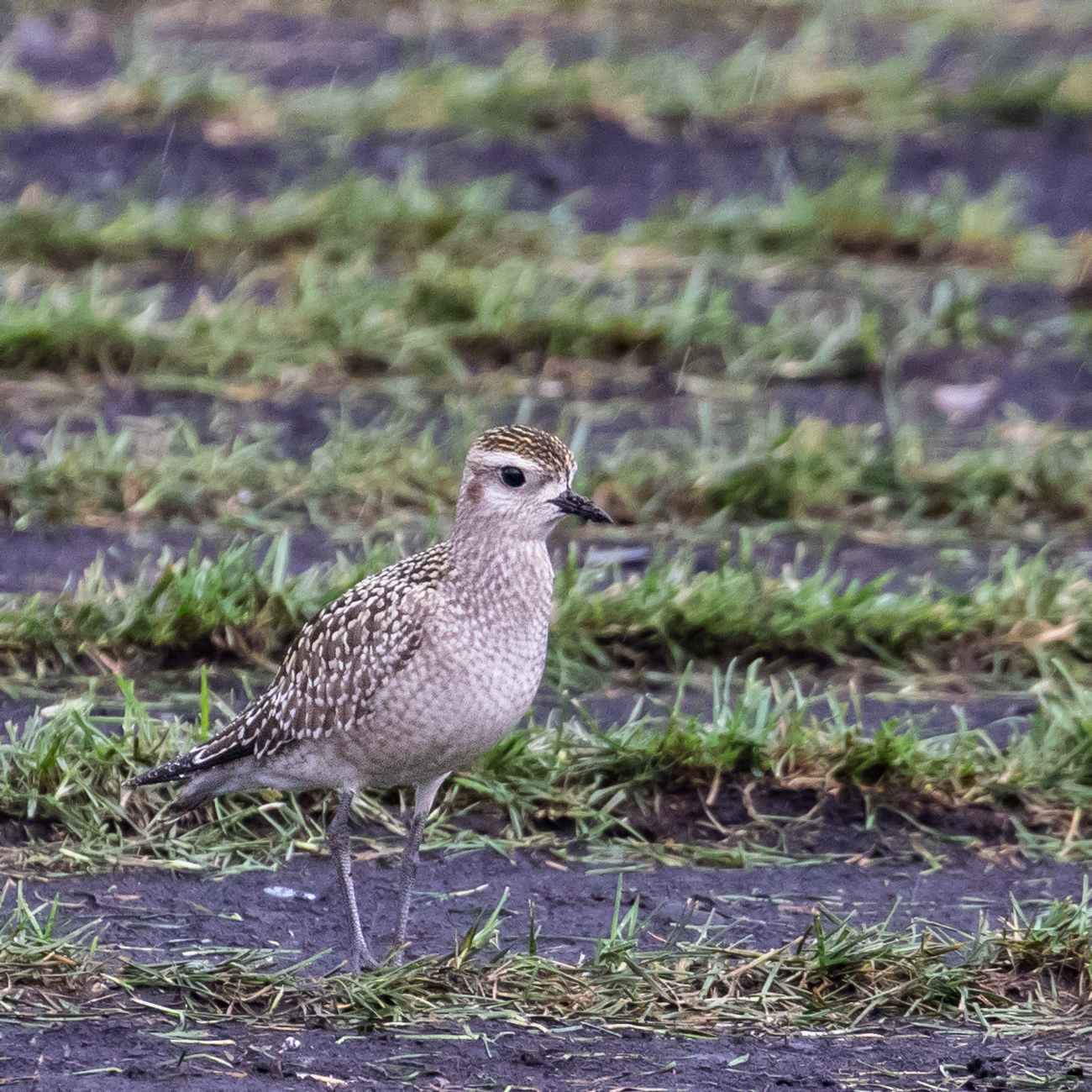
I drove around the Black Dirt Region in the rain this morning. I was rewarded with my first decent look at the American Golden-Plovers that have been hanging around for a little while now. I also had a calling Black-bellied Plover; I heard it call, but I was unable to find the bird, so I’m assuming it was a flyover. It was my first BBPL of the year, so while it wasn’t a very rewarding experience, I was at least able to add it to my Orange County 2026 list (bird #196). Other than that, of note was a large number of sparrows around. They were predominantly Savannah Sparrows; my phone heard Lincoln’s a couple of times, but unfortunately I wasn’t able to locate any.
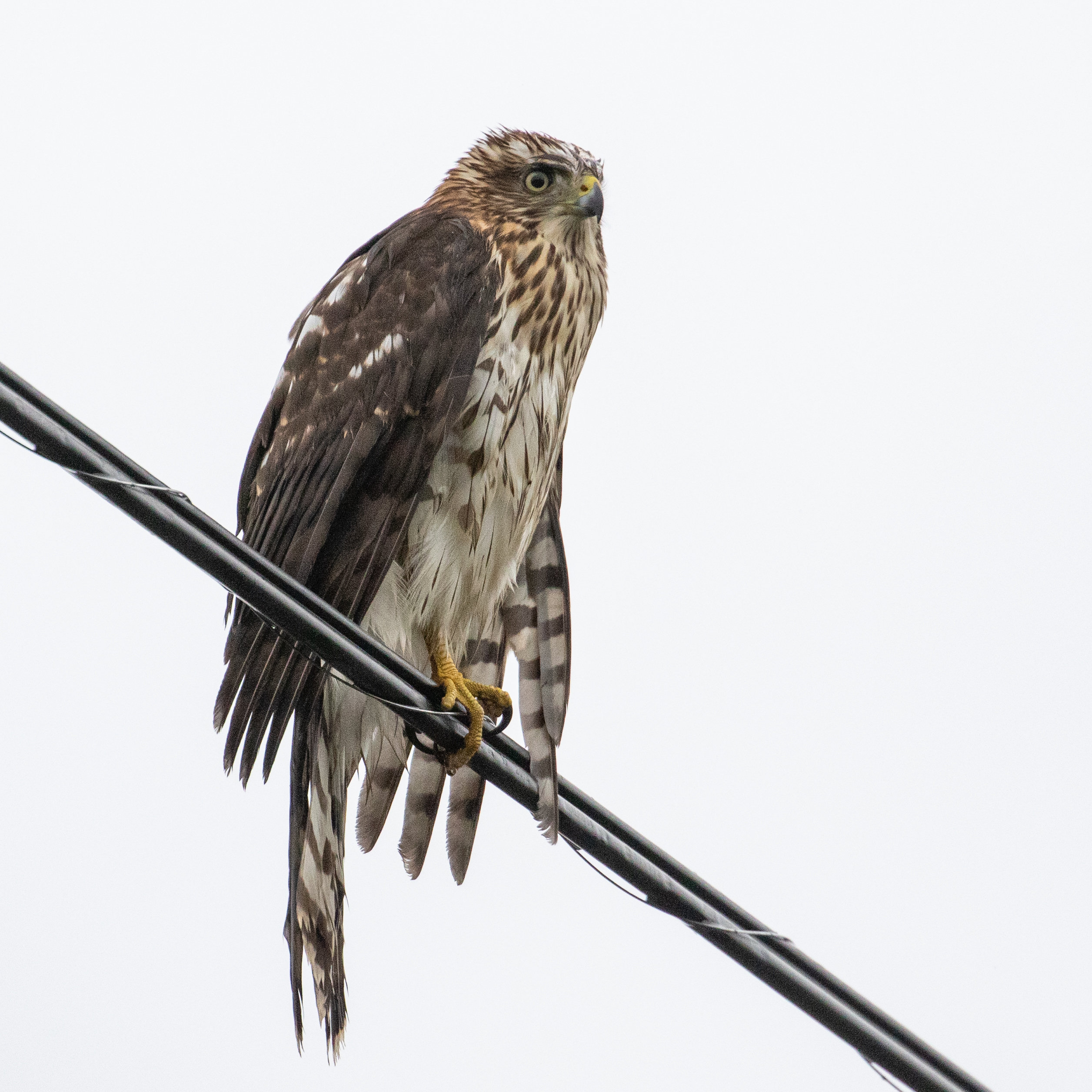
~American Golden-Plover with a worm in the black dirt, 09/20/26.~~American Golden-Plover in the Black Dirt Region, 09/20/26.~~This is from last weekend – 3 of 4 Sandhill Cranes in the black dirt, 09/13/26.~~Cooper’s Hawk on a wire in the Black Dirt Region, 09/12/26.~
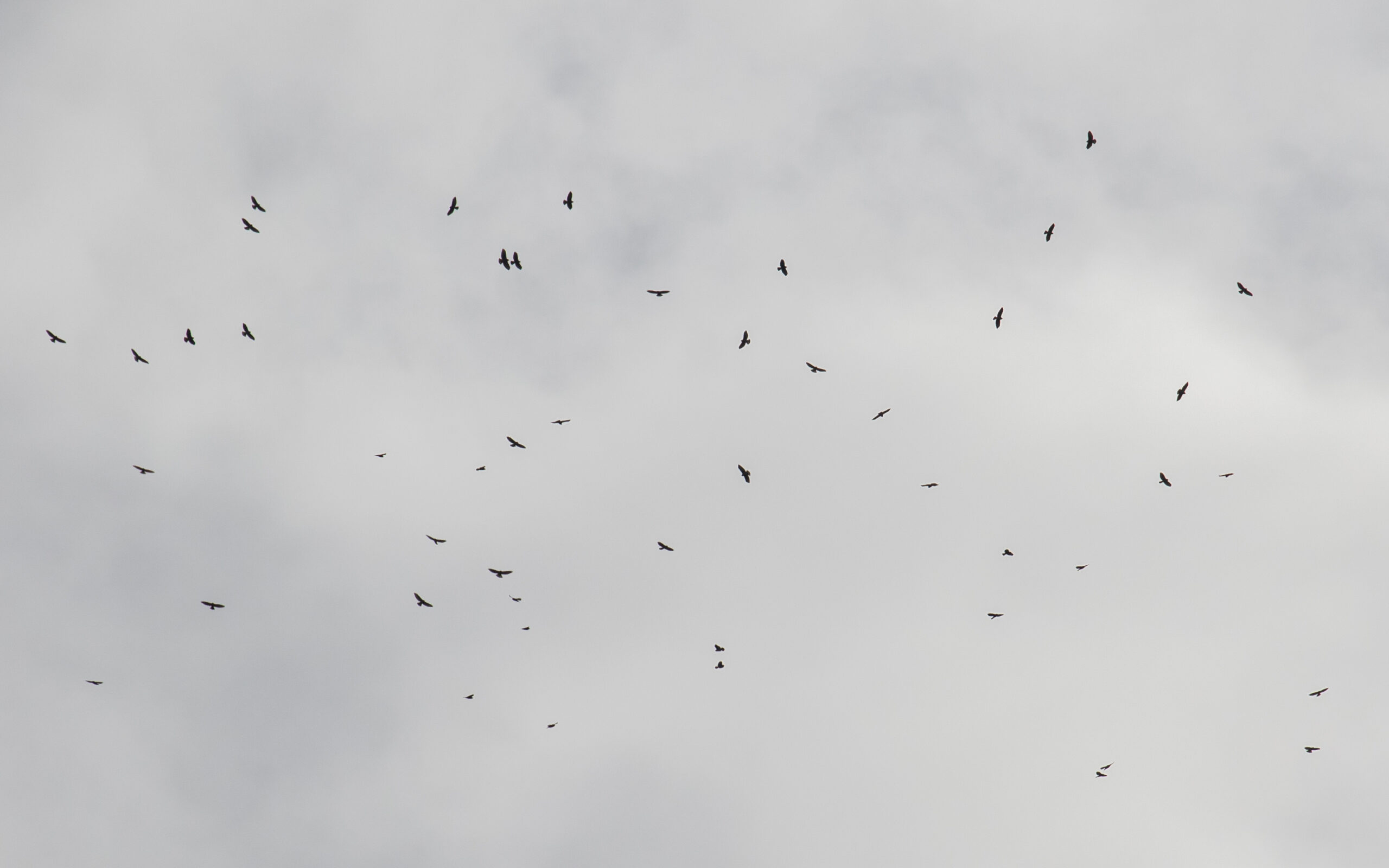
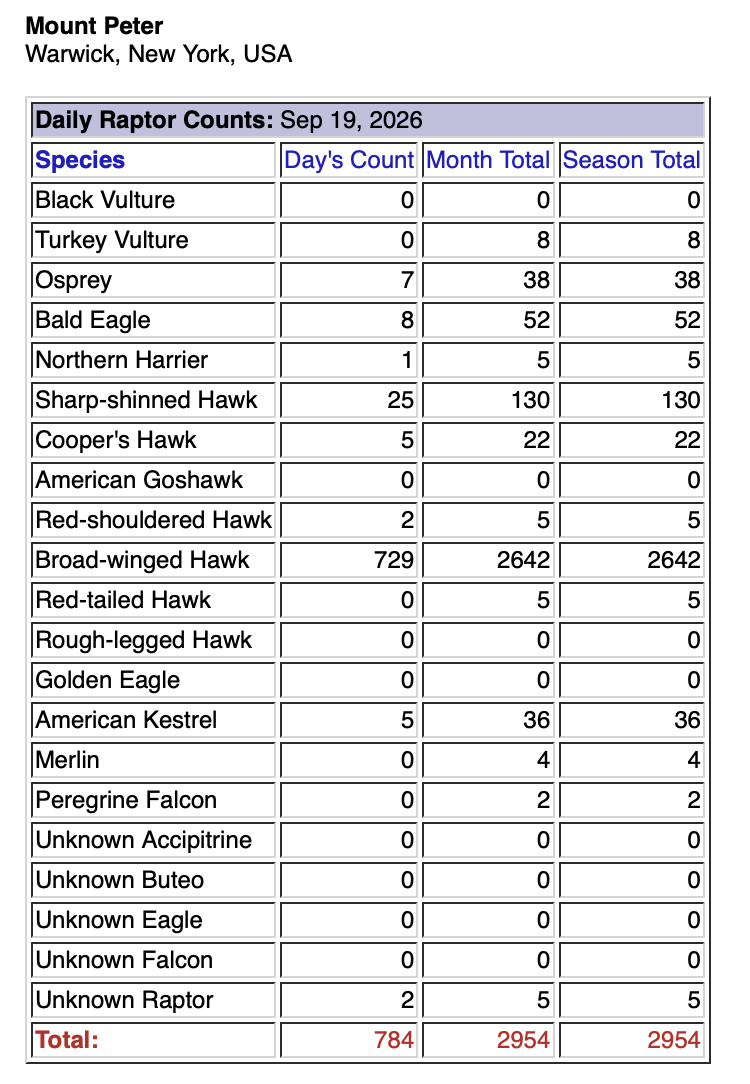
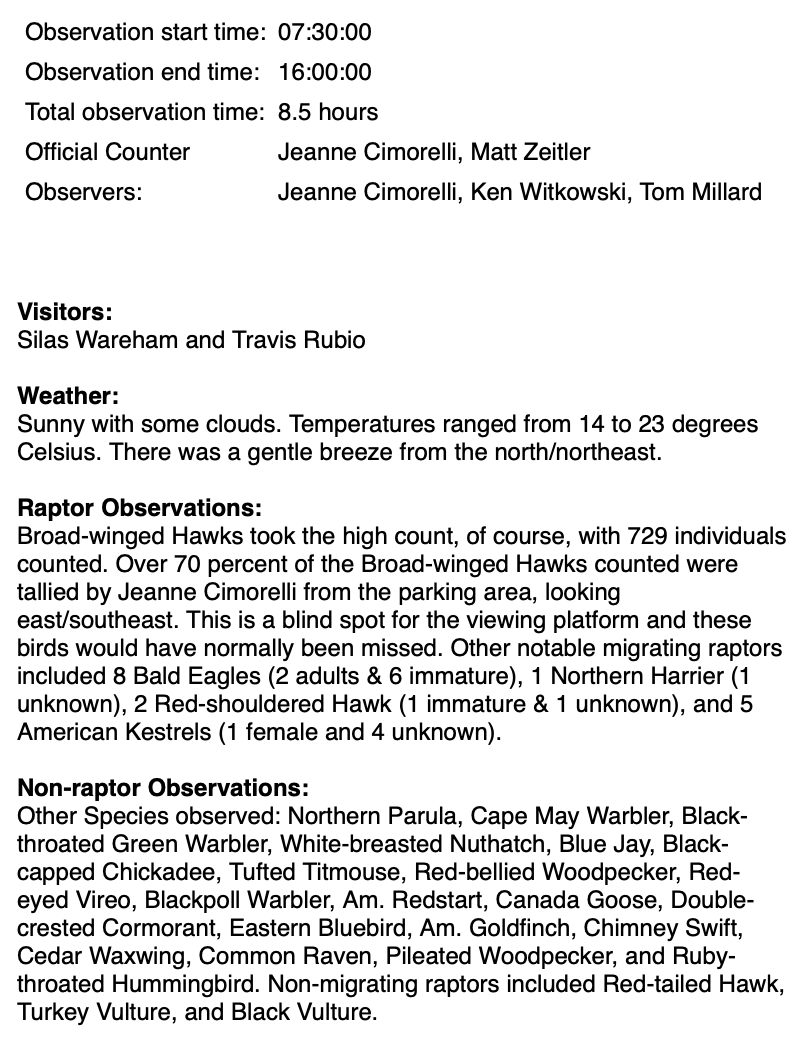
I had an excellent day today at Mount Peter Hawkwatch. It’s primetime for Broad-winged Hawks, so I had plenty of help today. Fellow counters Jeanne Cimorelli, Tom Millard, and Ken Witkowski as well as Silas Wareham and Travis Rubio all showed up and helped scan the skies. The move of the day was when Jeanne went to the parking lot to get a better look facing east/southeast (a blindspot from the viewing platform). From that vantage point, she tallied over 70% of the 729 Broad-winged Hawks observed today. We also had a good variety of raptor species today – with 8 species of migrating raptors, plus 3 non-migrating species. As usual, I’m including my Hawkcount report below.
~A kettle of Broad-winged Hawks over Mount Peter Hawkwatch, 09/19/26.~
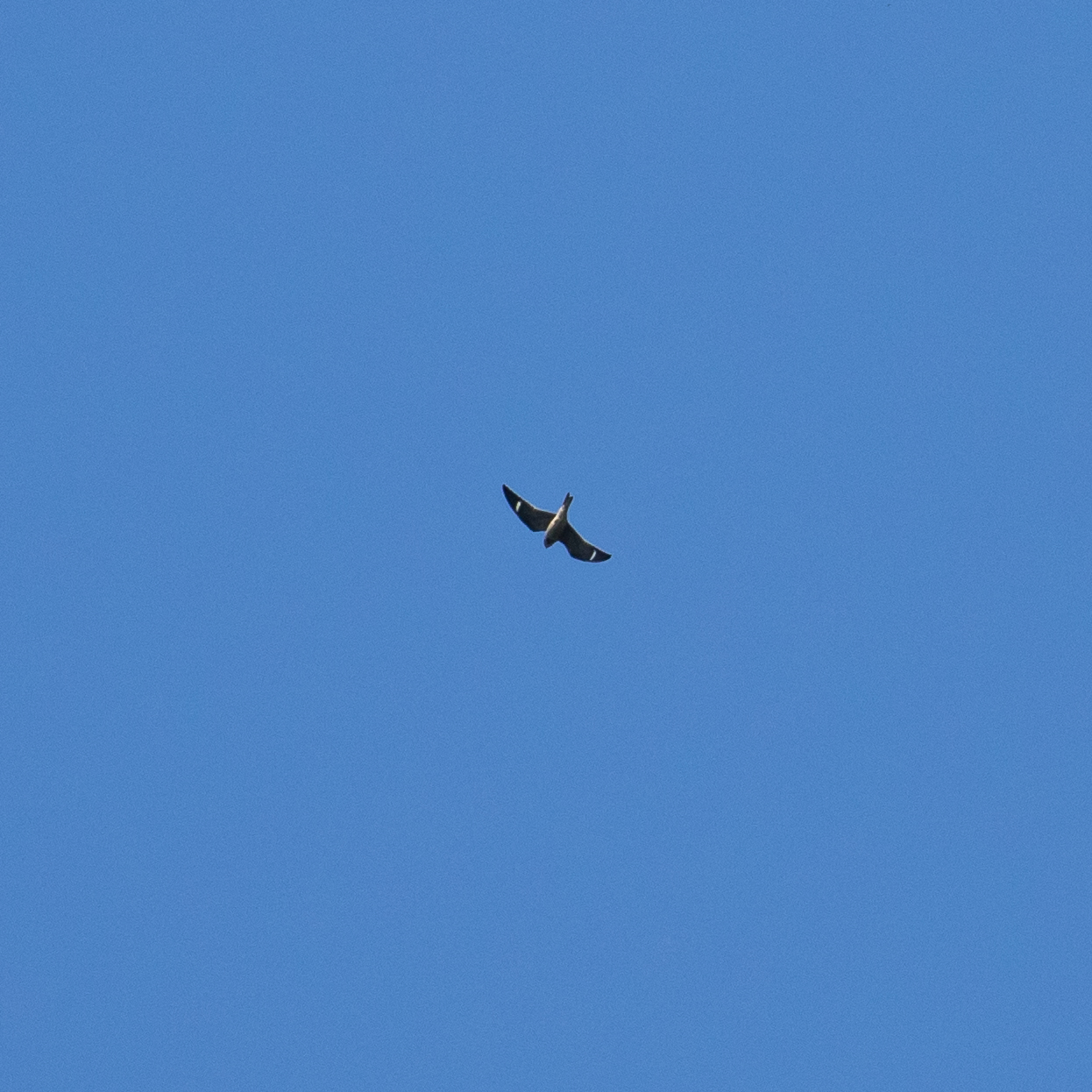
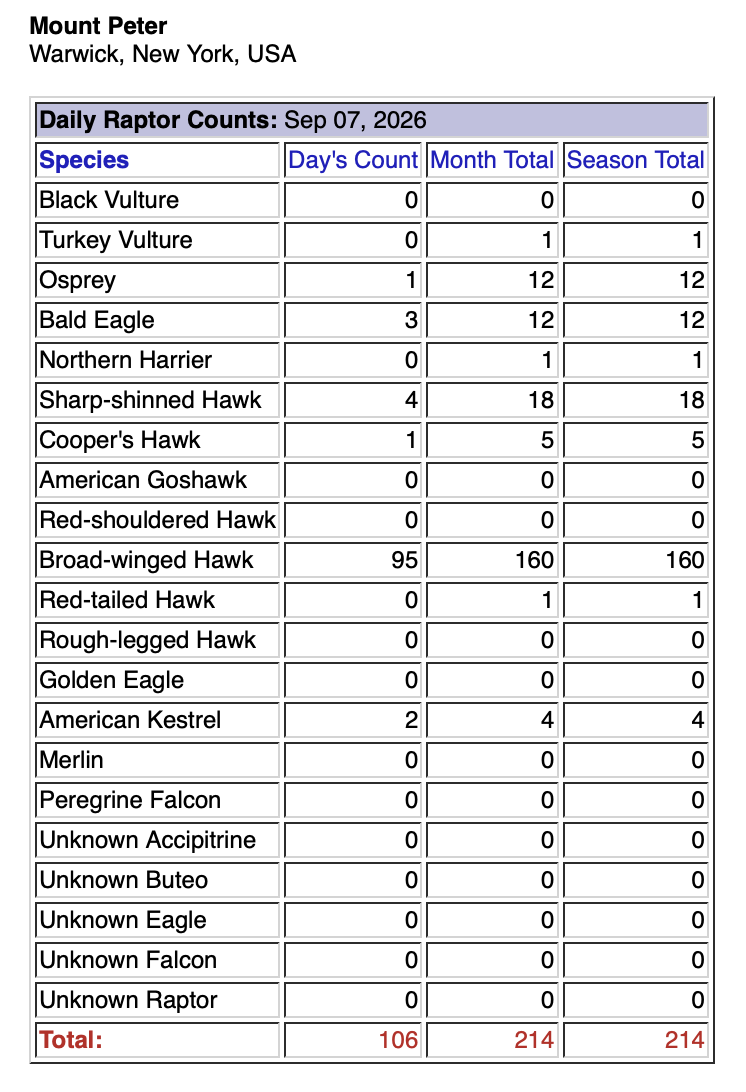
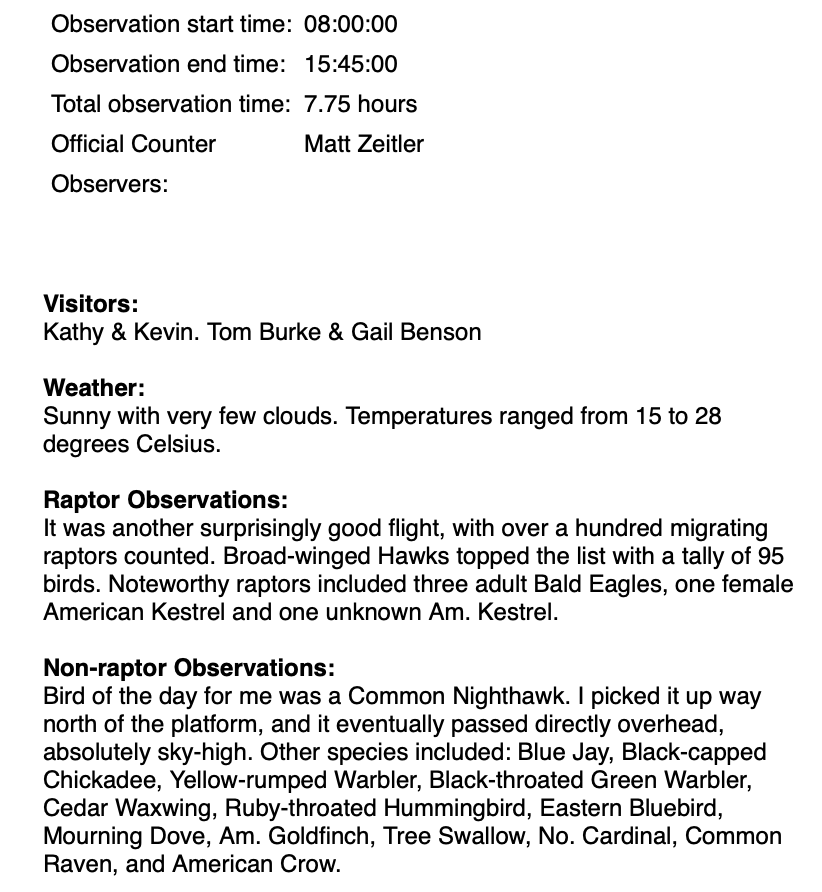
We are slightly understaffed at Mt. Pete this year, so I decided to take the opportunity of having the day off for Labor Day to go up and count again. It was a slow start, with poor conditions (a nearly all blue sky, making birds very difficult to locate). But as the day progressed, I got more clouds and more birds. I thought my highlight of the day was going to be a single Common Nighthawk that passed over the platform, very high in the sky. But, in the seventh hour of the watch, Tom Burke and Gail Benson joined me, and they brought along some Broad-winged Hawks with them. I had my first kettle of the season (42 birds), and tallied 72 BWHAs for the hour. In the end, I counted 106 migrating raptors; 95 of them were Broad-winged Hawks.
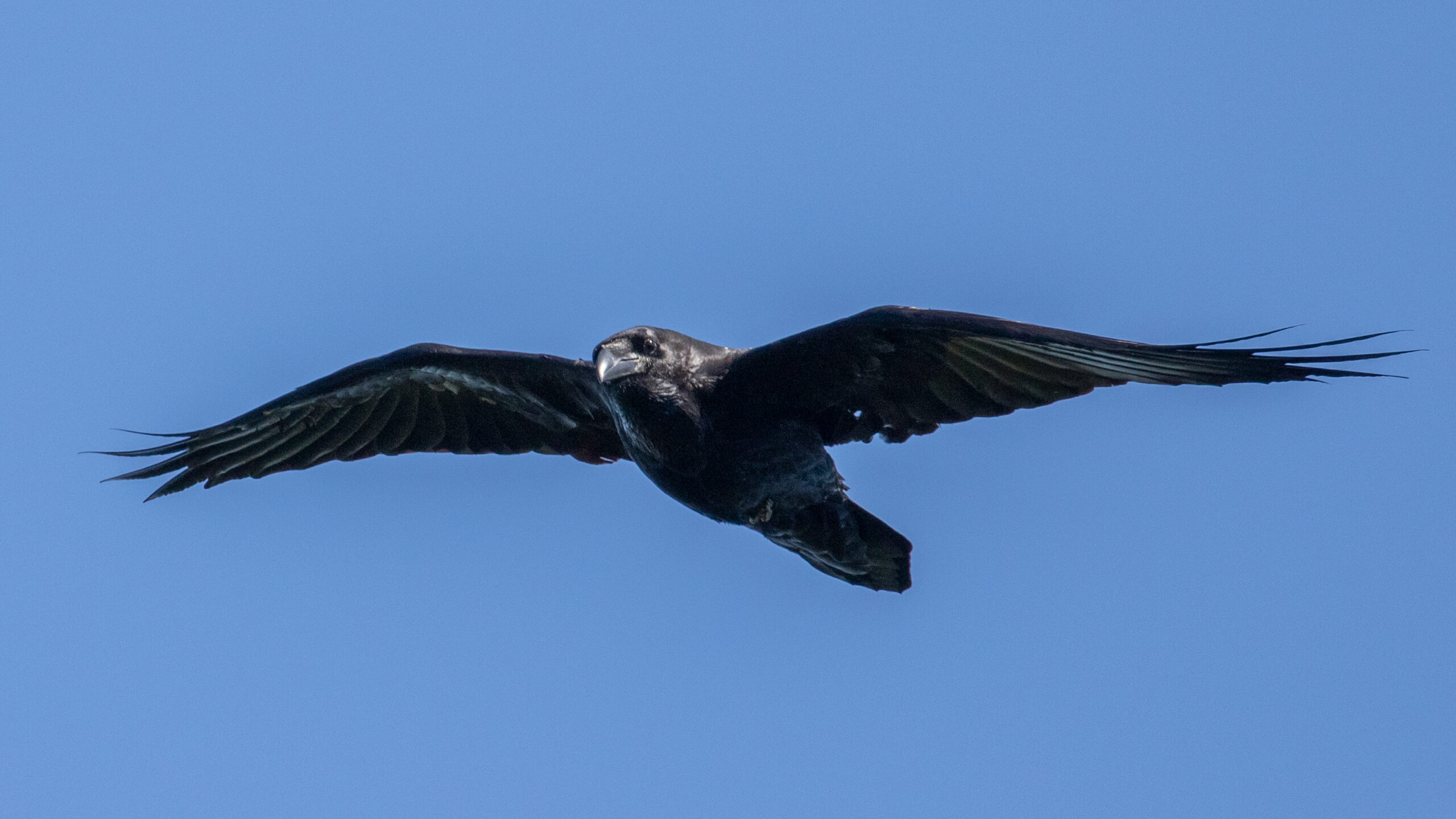
~This bird was waaaaaaay up there. Common Nighthawk at Mount Peter Hawkwatch. I can’t remember ever having a CONI at Mt. Pete before.~~A local Red-tailed Hawk flying over Mount Peter, 09/07/26.~~I love these dudes. One of a couple of Common Ravens that were hanging around all day. Mt. Pete Hawkwatch, 09/07/26.
Well, migration is certainly happening. I had a good day yesterday at Mount Peter Hawkwatch. Afterwards, I went to the Black Dirt Region and I was finally able to catch up with some BUFF-BREASTED SANDPIPERS. They were too distant for any kind of decent photos, but still it was great to see them and add them to my Orange County 2026 list. This morning I decided to change it up a little bit and went for song birds at Wallkill River National Wildlife Refuge‘s Winding Waters Trail. It was a pleasant and birdy walk; I had a total of 33 species observed, including (5) species of wood warblers (Common Yellowthroat, Chestnut-sided Warbler, Magnolia Warbler, Black-throated Blue Warbler, and American Redstart).
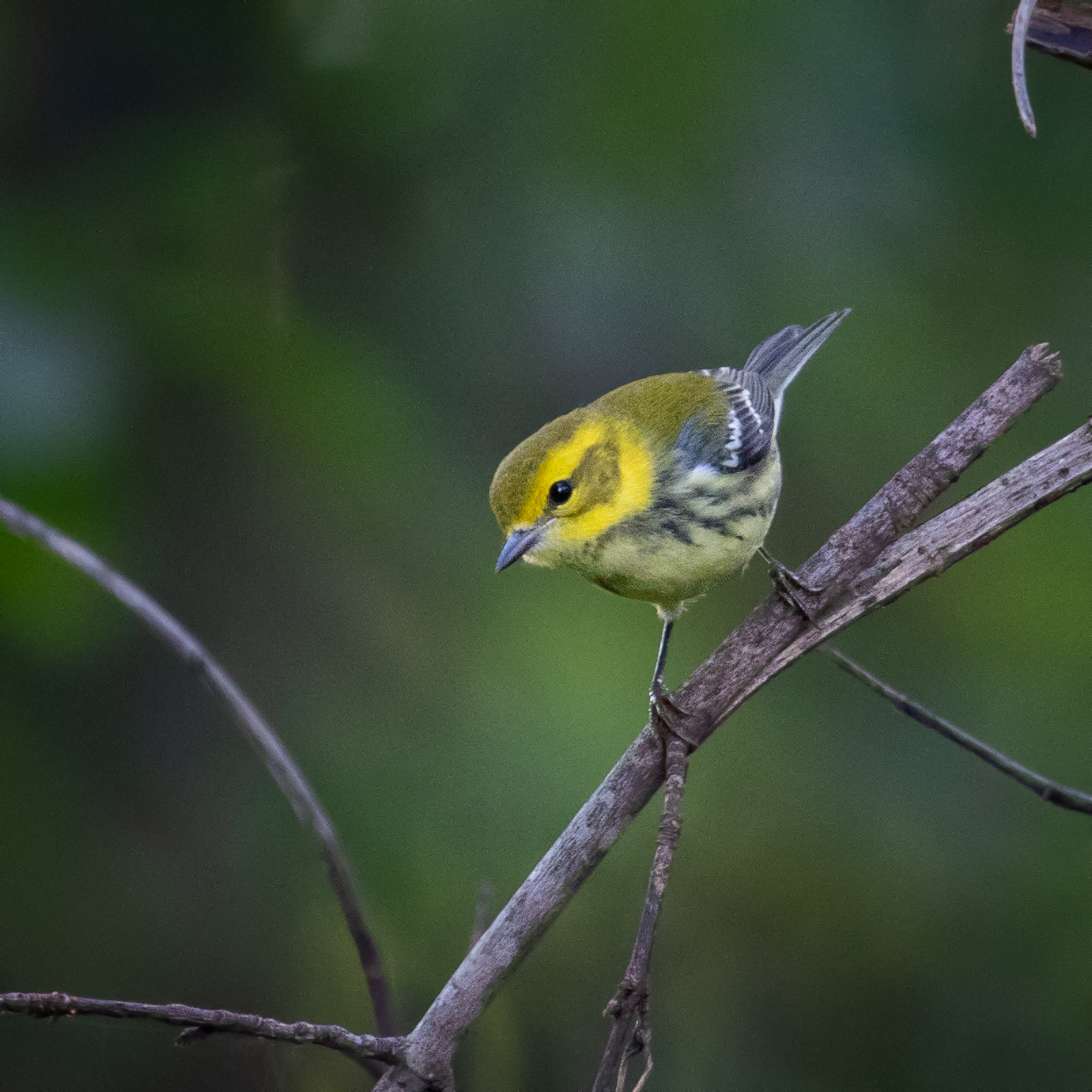
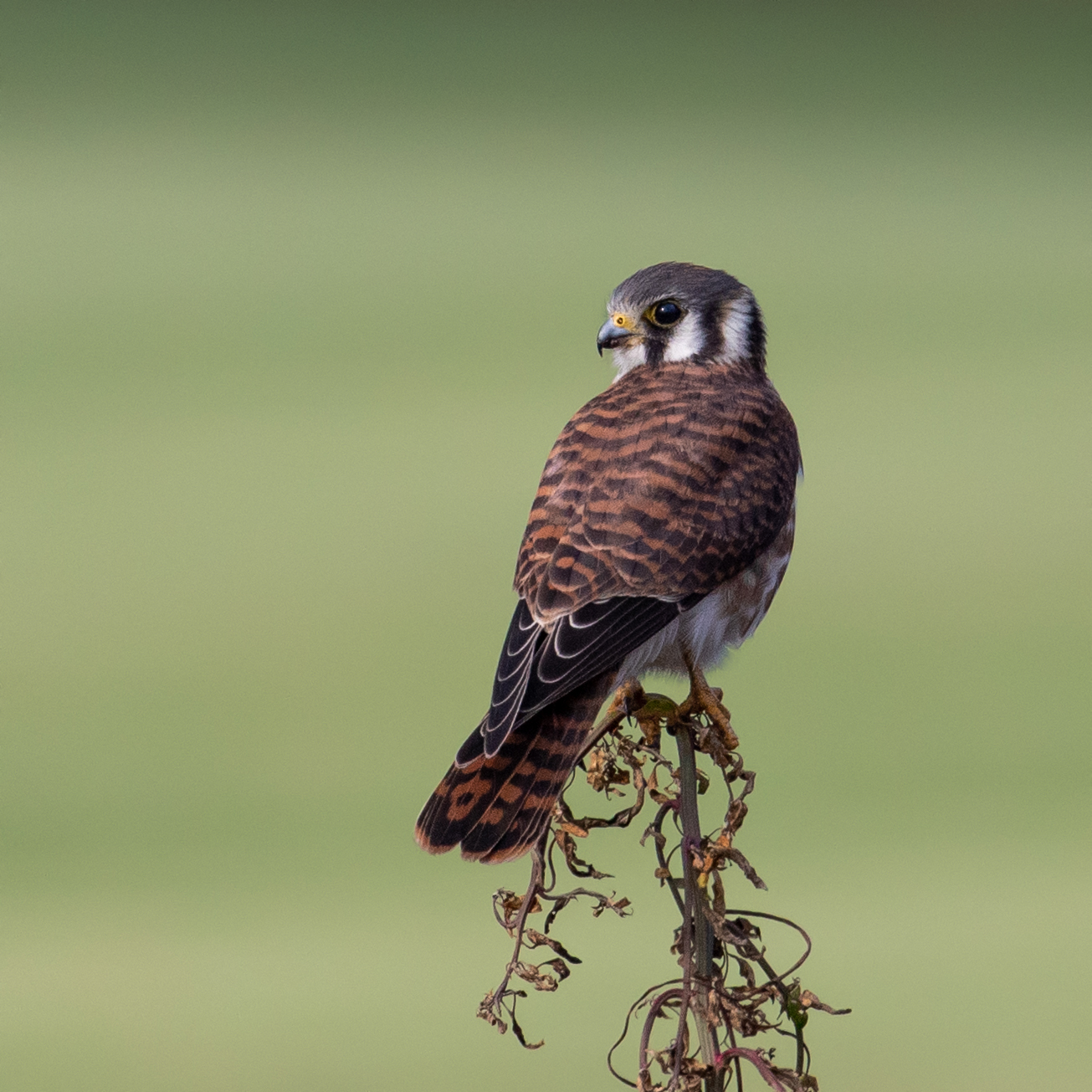
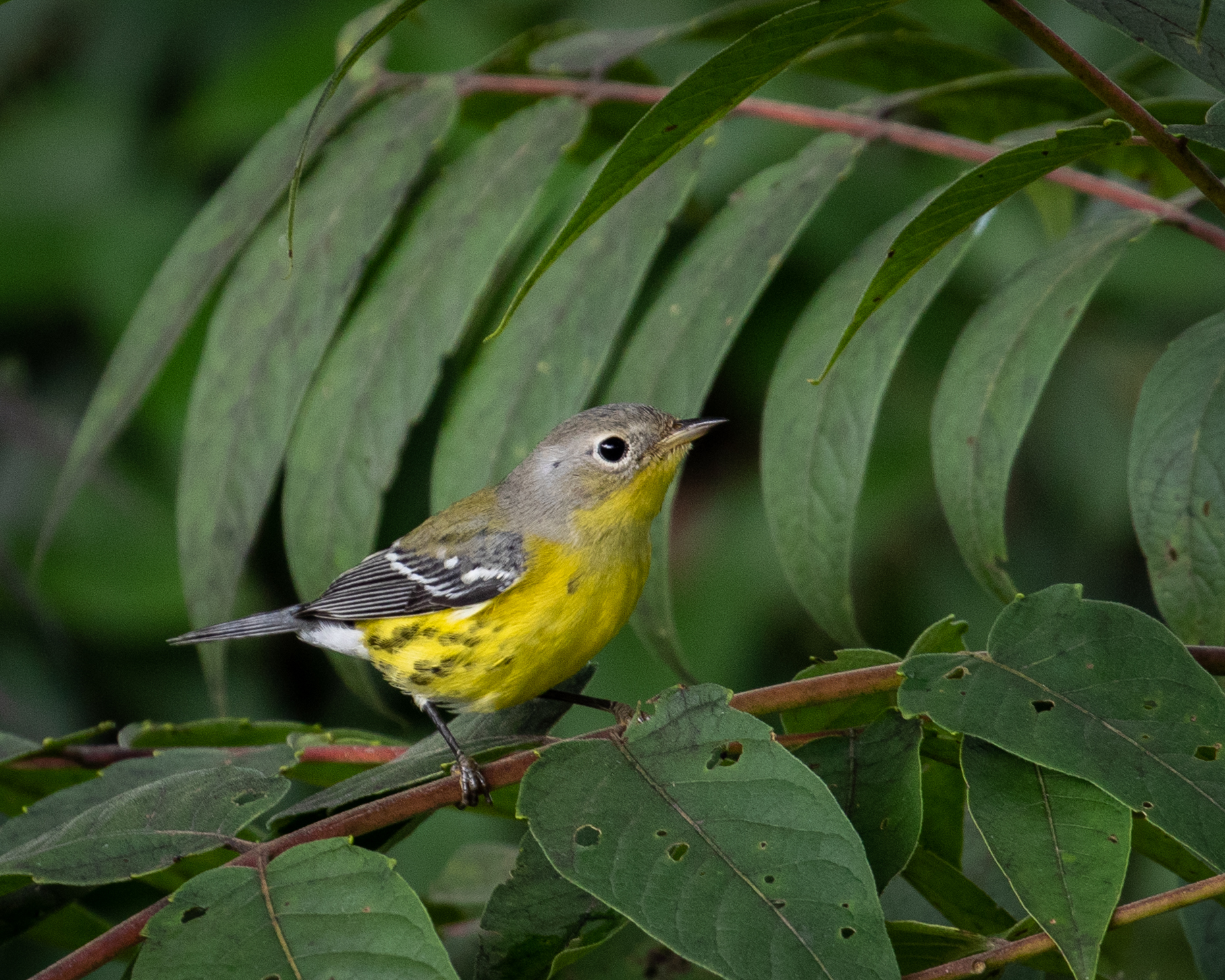
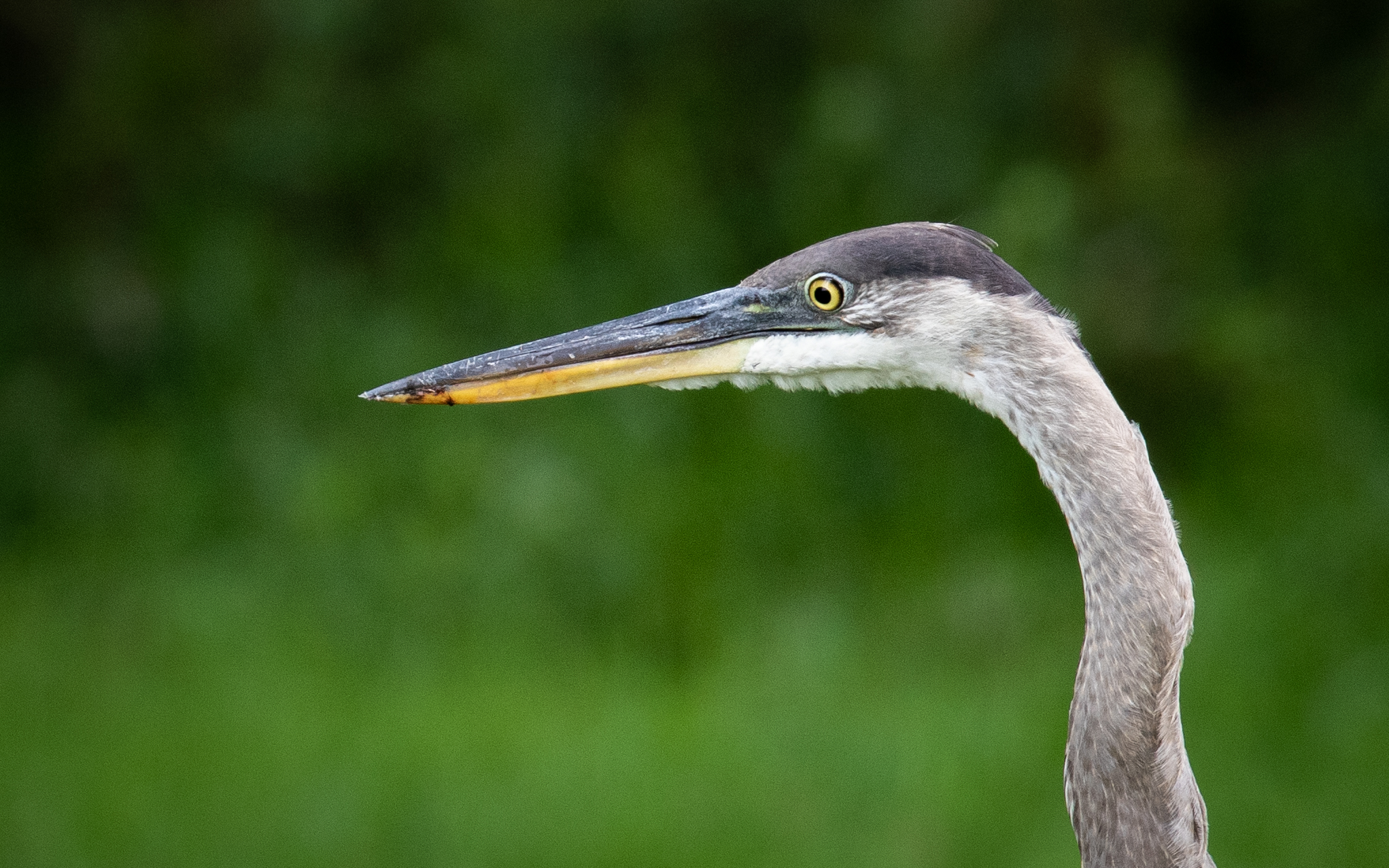
~Black-throated Green Warbler at Winding Waters Trail, 09/06/26.~~American Kestrel in the black dirt on 09/05/26.~~Magnolia Warbler at Winding Waters Trail, 09/06/26.~~I shared the trail with this dude for approximately 500 yards. Eventually it caught a small mammal and flew off with it. Great Blue Heron at Winding Waters Trail, 09/06/26.~