So it’s still feeling like the summer doldrums to me. That said, there was a little excitement in the local birding scene. On Wednesday, an ANHINGA was reported at Lake Tappan in Rockland County. I went for the bird after work on Thursday and was lucky enough to see it. The bird was distant and my photos were barely good enough for documentary purposes, but I enjoyed watching the bird in my scope, waiting it out until it finally left its perch and fished a little. It was excellent to see such a cool bird and to add it to my New York State list.
On Friday, Ken McDermott found a LITTLE BLUE HERON at Algonquin Park. It was reported on Saturday as well, but I tried to relocate it on Sunday and had no luck. Also, John Haas had a LESSER BLACK-BACKED GULL at the Newburgh Waterfront on Saturday. I tried for that bird this morning, but didn’t have any luck.
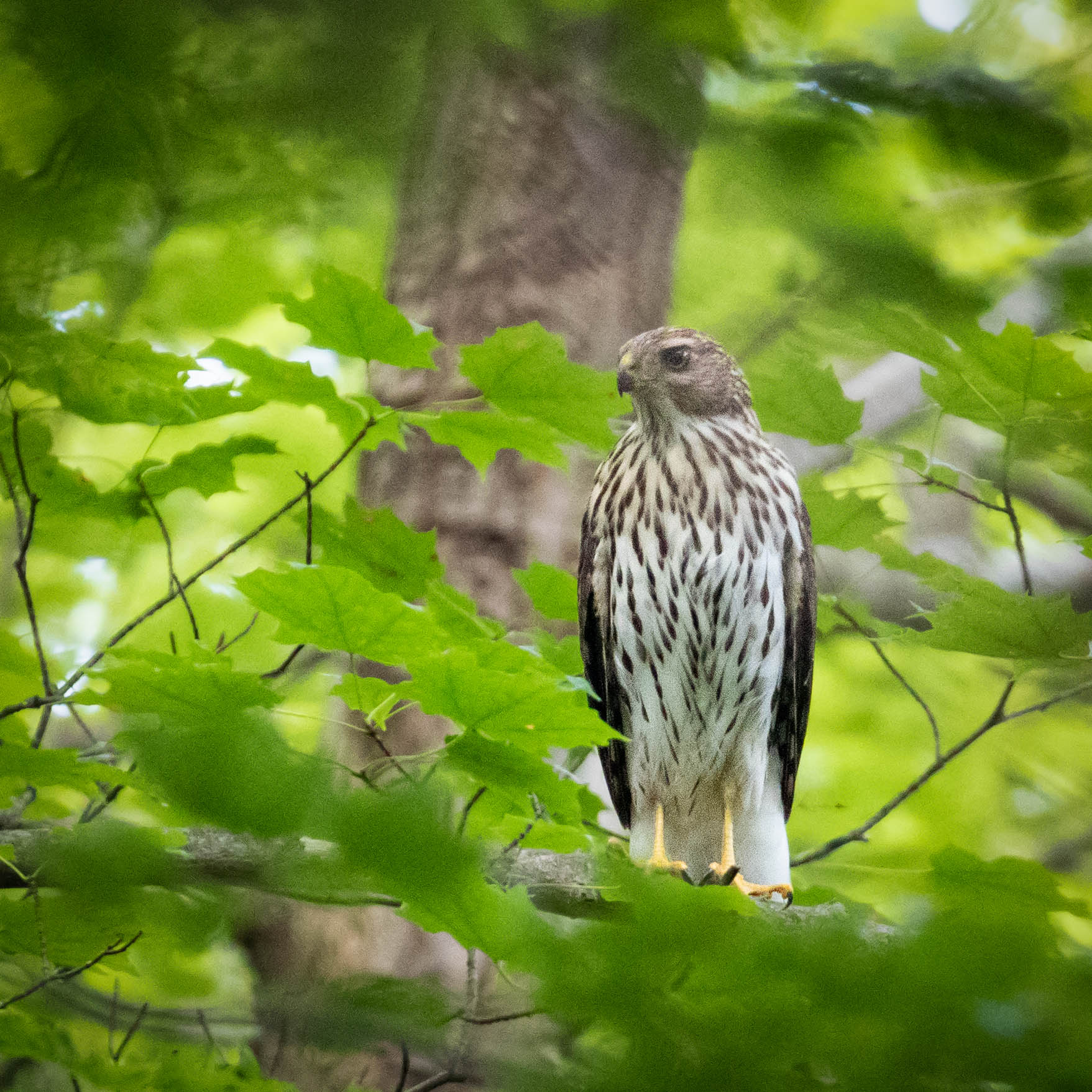
~I have this as a young Red-shouldered Hawk. Bullville Pond, 07/24/22.~
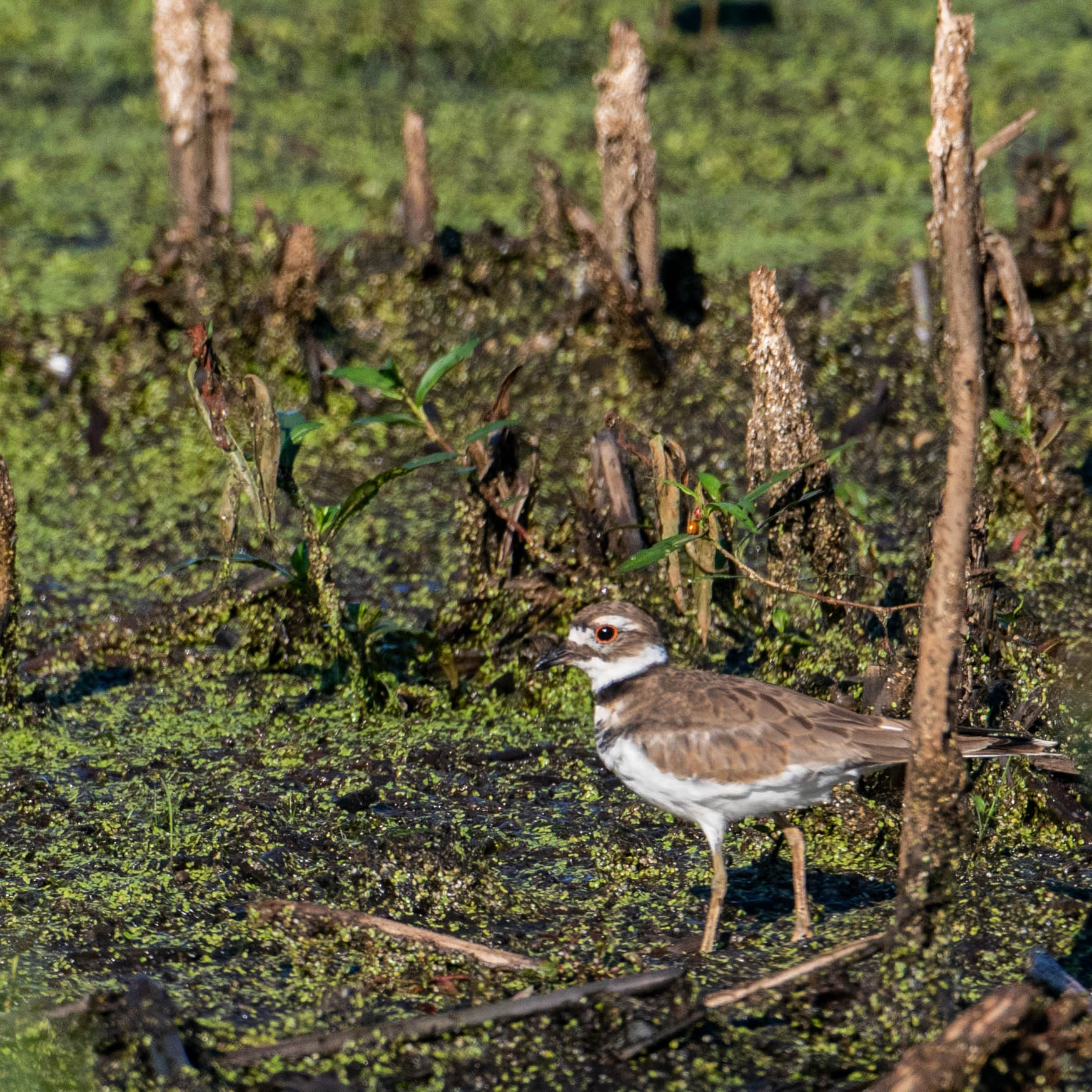
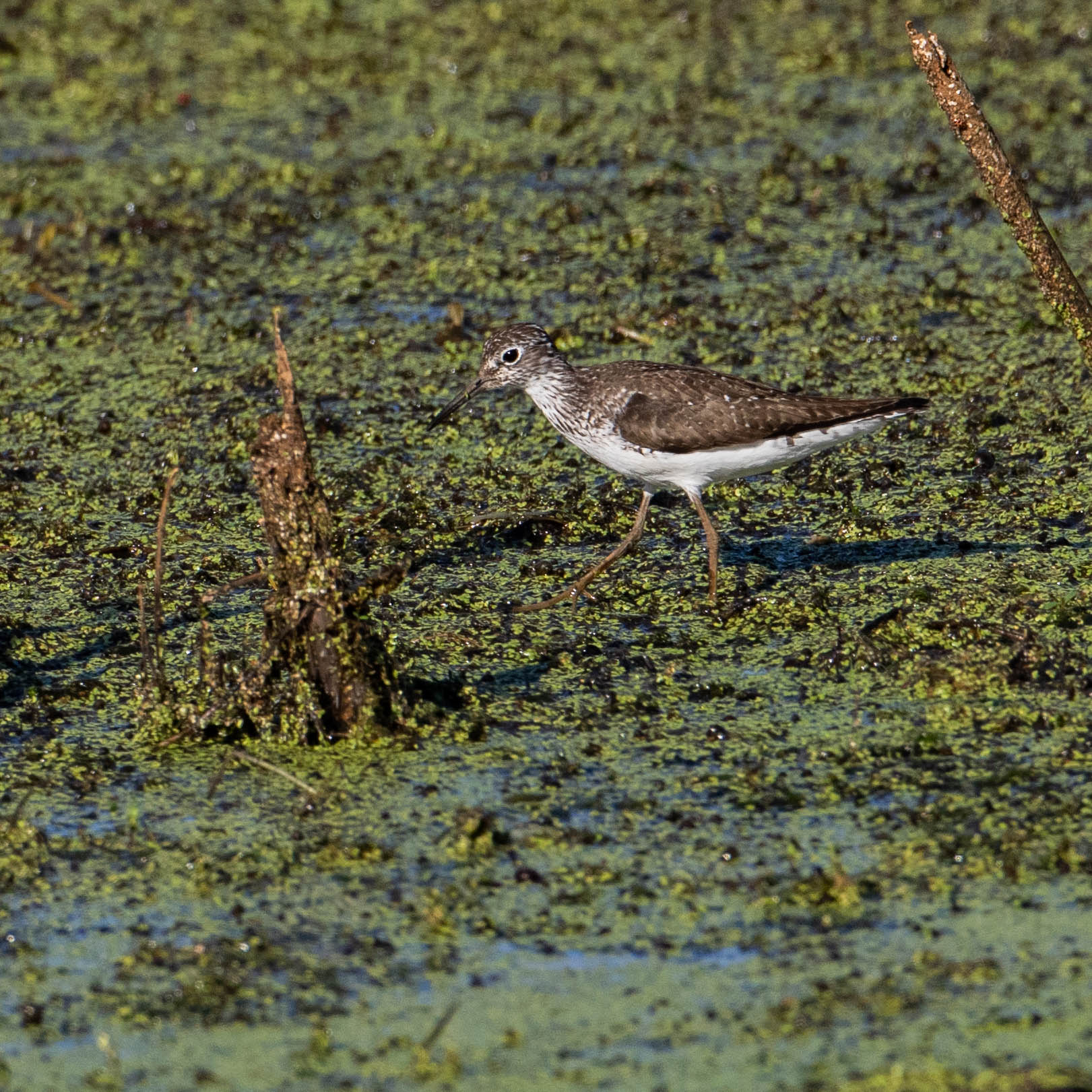
Not very shockingly, shorebirds were my main targets this week. I visited Beaver Pond near Glenmere Lake on Friday and had Least, Solitary, and Spotted Sandpipers along with a good number of Killdeer. At the south pond of the Liberty Loop on Saturday morning, I had the same list of shorebird species (although Kyle Knapp had a Pectoral Sandpiper there on Sunday morning). The Camel Farm it totally dry and I didn’t even stop by. This morning I went to Bullville Pond, where there were a couple Solitaries and a couple Spotteds. Hopefully we will begin to get some more diversity soon.
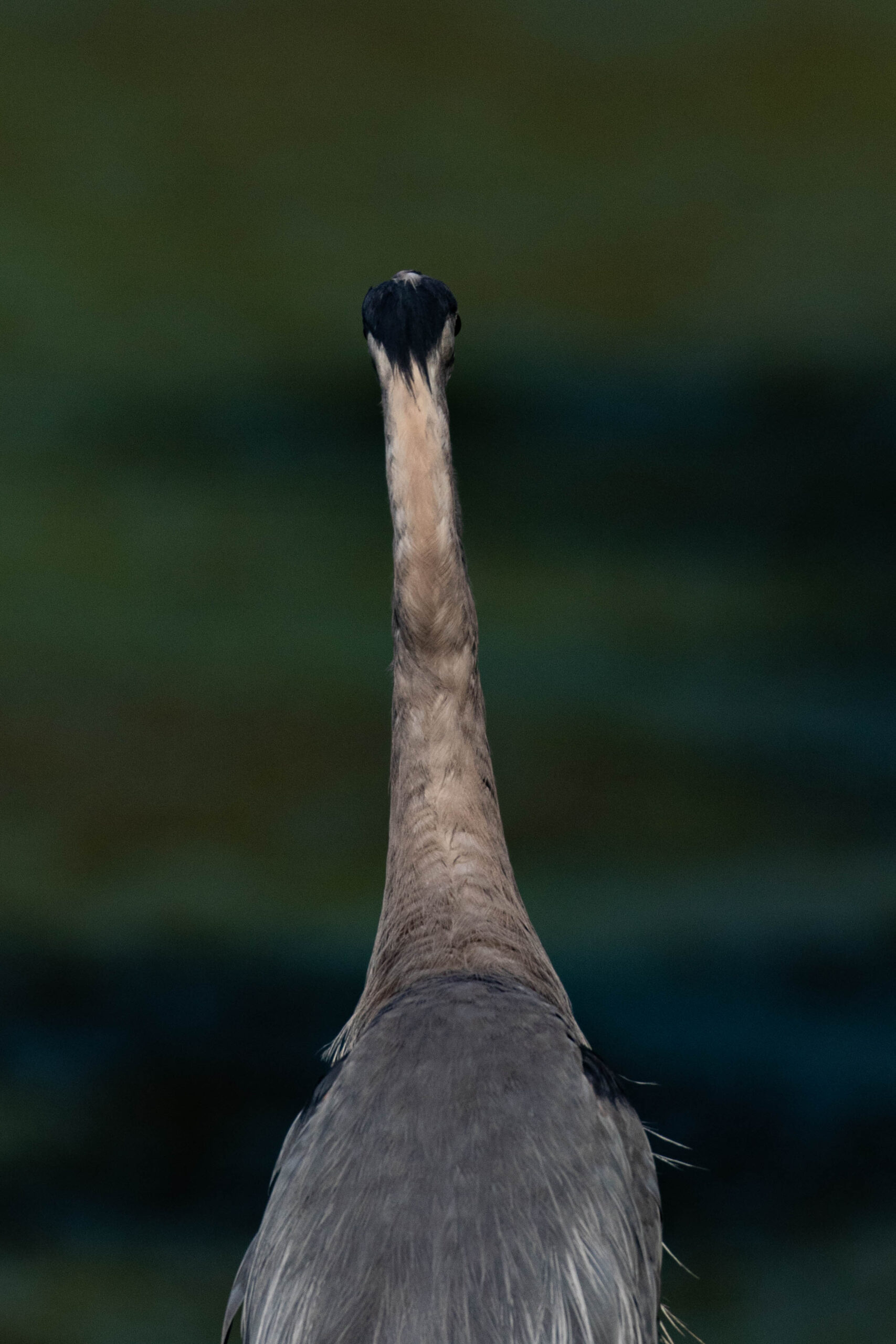
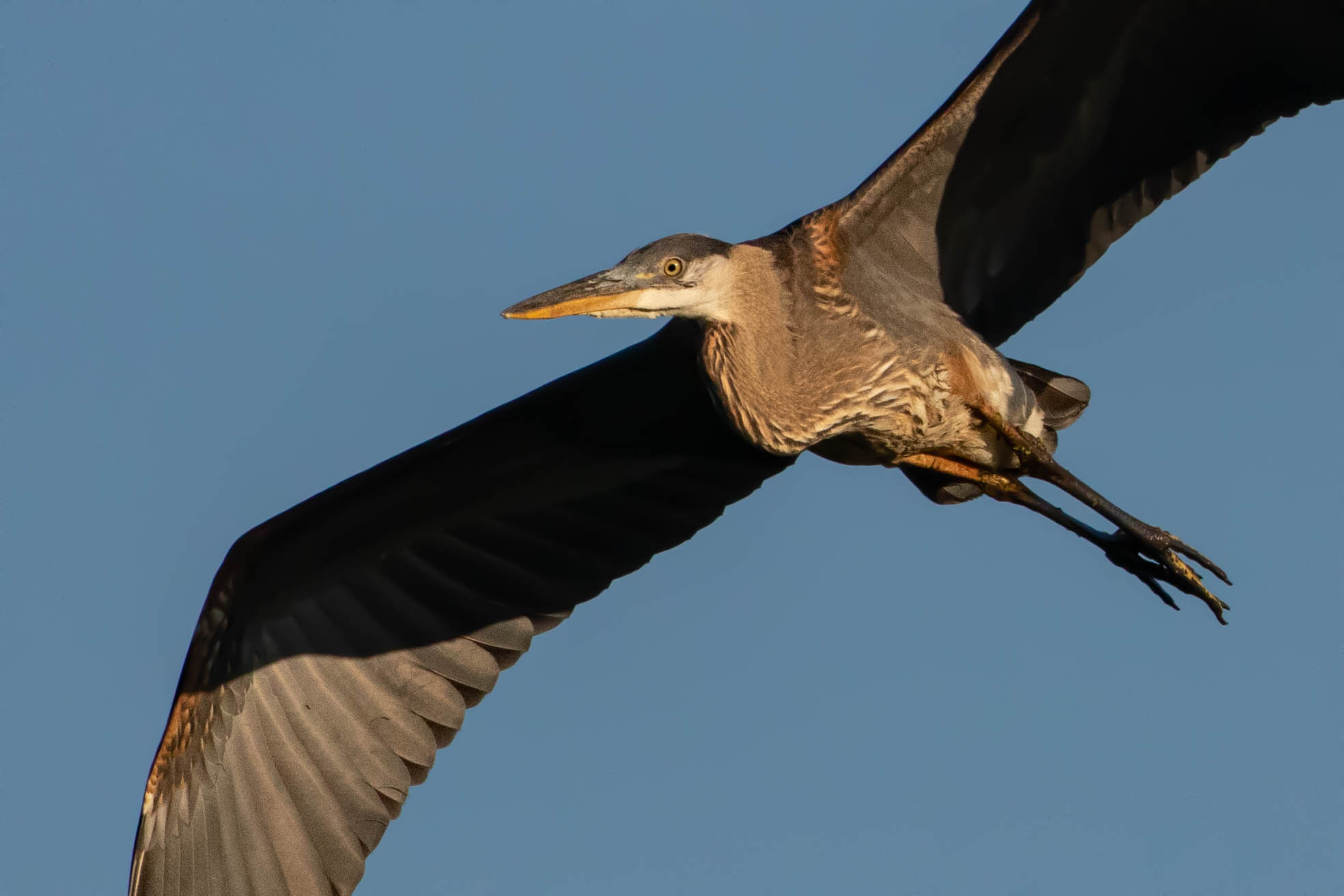
~Great Blue Heron at Bullville Pond, 07/24/22.~~Killdeer at the south pond of the Liberty Loop, 07/23/22.~~Solitary Sandpiper in the muck at the Liberty Loop, 07/23/22.~~One of three young Cooper’s Hawks at Black Rock Forest last Sunday, 7/17/22. I took an 8.5 mile hike on Sunday but it wasn’t overly noteworthy in terms of birds so I didn’t post.~ ~That’s it for this week. Hopefully things will start to pick up soon.~
I arrived at Wallkill River National Wildlife Refuge’s Liberty Loop just after sunrise this morning, with hopes to catch up with the American Bittern Ronnie DiLorenzo reported on Thursday. Shortly after my arrival, Kyle Knapp joined me with the same target bird. As he was preparing to hike the loop, I spotted an AMERICAN BITTERN flying across the marsh. I couldn’t see where it put down, but Kyle did and we walked the trail to the approximate area.
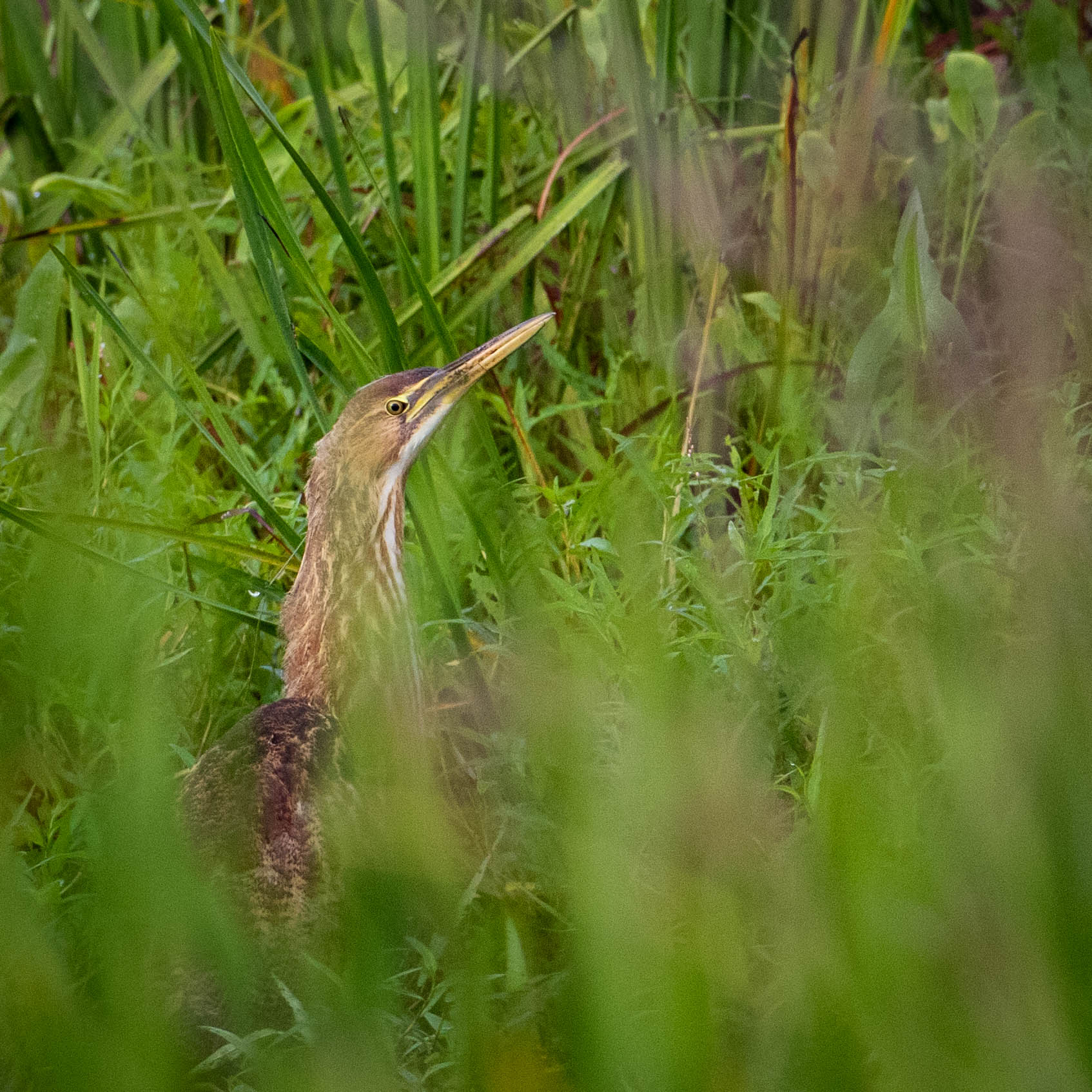
~I was pretty excited to see this bird -AMERICAN BITTERN at the Liberty Loop, 07/16/22.~
After a good while of searching, I finally found the bird, feeding in a little wet area behind some dense vegetation. We enjoyed spectacular views in my scope, and tried to find any angle where we could get photos. As I was watching the bittern, a SORA walked into my view, feeding just in front of the bittern. I got Kyle on the Sora, and in his bins he saw that there were actually 2 Soras present. It was fantastic to get pretty good looks at such a secretive bird.
~SACR at Wallkill River NWR, 07/16/22.~
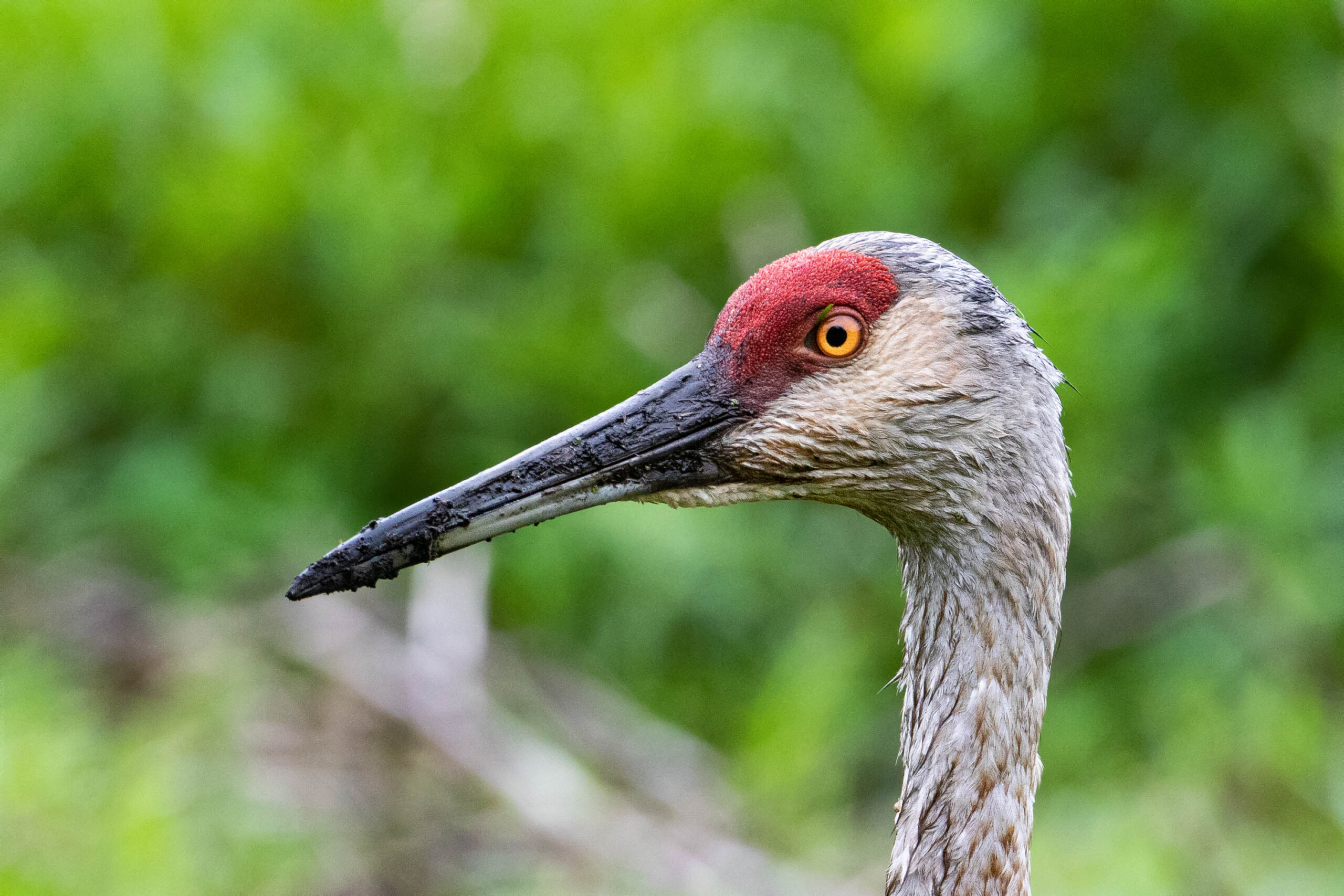
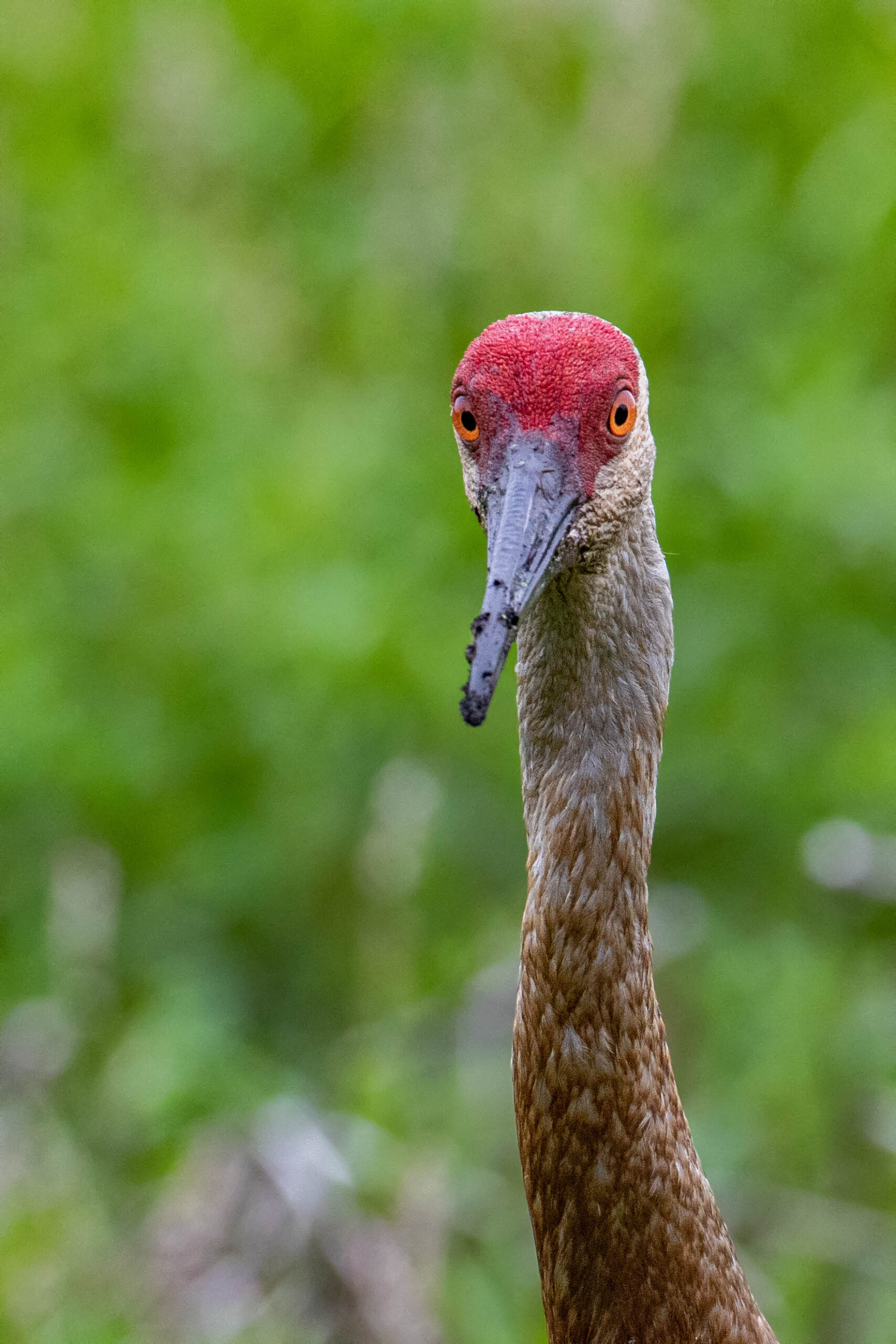
Afterwards, we headed to the back pond of the Liberty Loop. We were hoping for shorebirds and Least Bitterns. We totally dipped on the Least Bitterns, but we did have a smattering of shorebirds – 3 Least Sandpipers, 3 or 4 Solitary Sandpipers, several Killdeer, and a couple of Spotted Sandpipers. The highlight, however, was finding the 2 local Sandhill Cranes feeding just 20 or so feet off the trail. We snapped some photos as we passed, shocked to be so close to them, and left them feeding in the same spot as we continued on our way.
~American Bittern shot through the grasses. Liberty Loop, 07/16/22.~~This is what approximately 20 feet at 500mm looks like. Sandhill Crane at the Liberty Loop, 07/16/22.~
I took advantage of the relatively cool weather this morning and took an 8 mile hike at Black Rock Forest. It was a pleasant and relatively birdy hike, especially the first half of it, which provided a variety of habitats and most of the nearly 50 bird species I identified for the morning. Bird highlights included two Broad-winged Hawks (2 separate encounters), recently fledged Worm-eating Warblers, and recently fledged Prairie Warblers, neither of which I’d ever seen before. Non-avian highlights included a cooperative family of Beavers at Upper Reservoir.
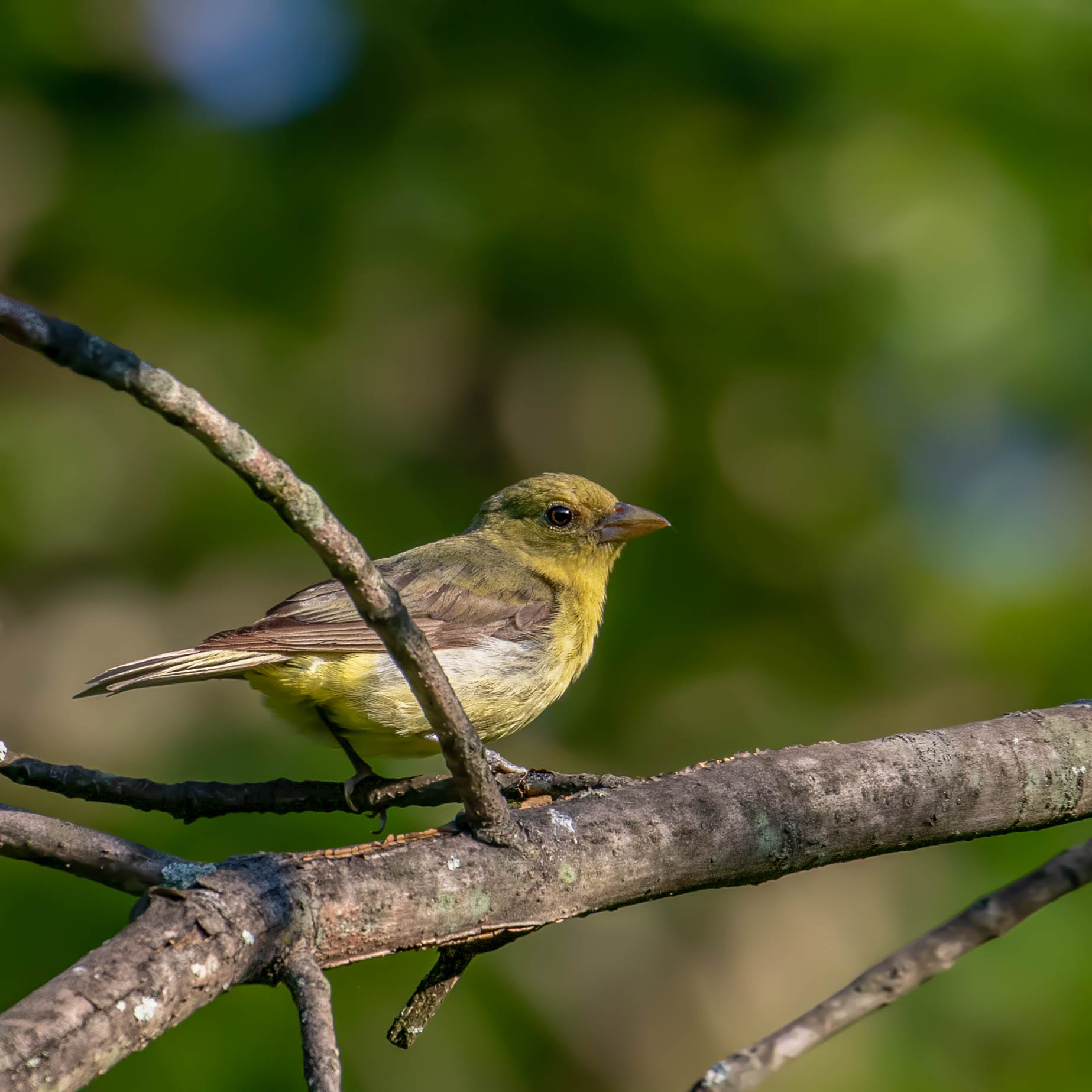
~A female Scarlet Tanager at Black Rock Forest, 07/10/22.~
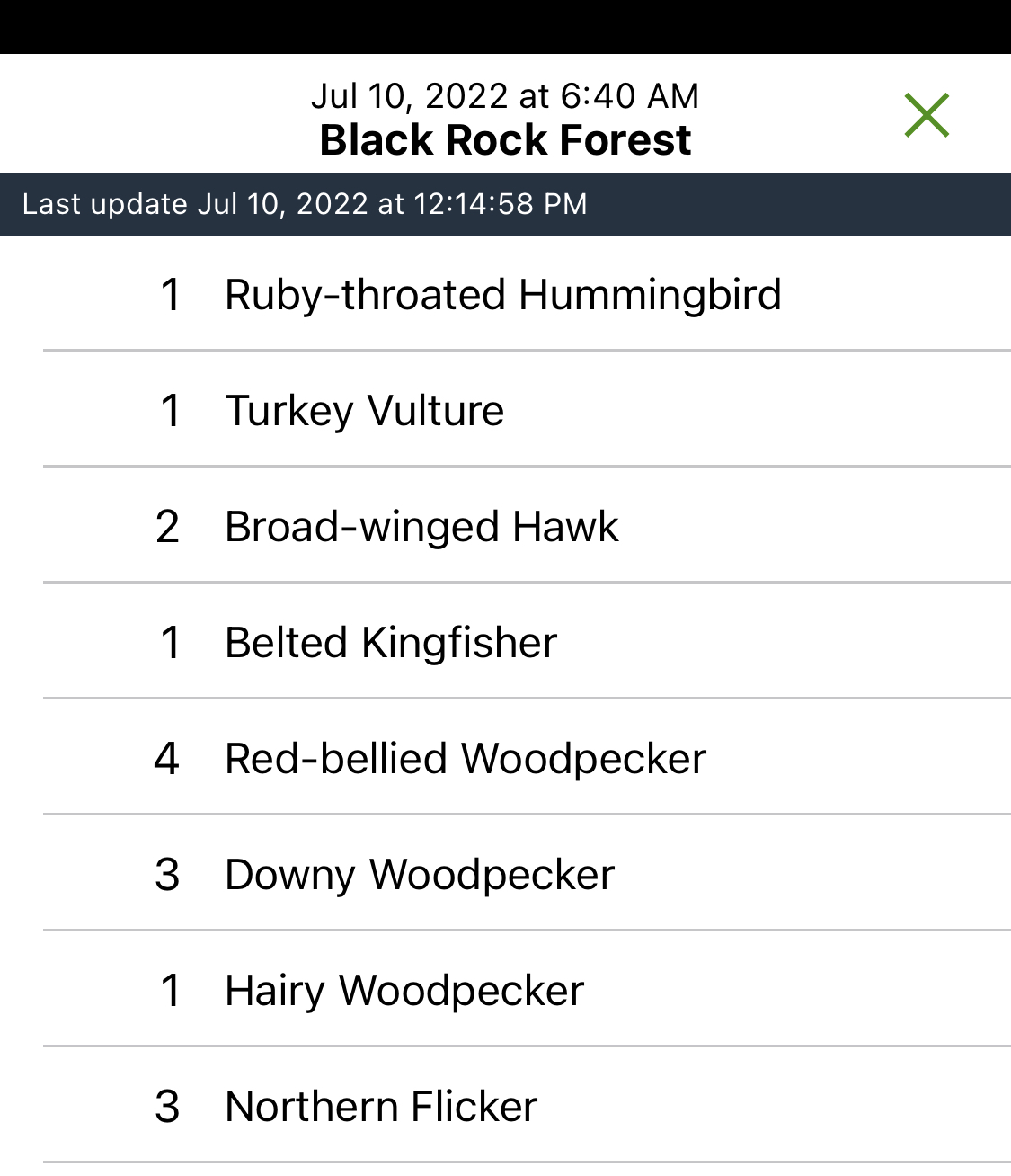
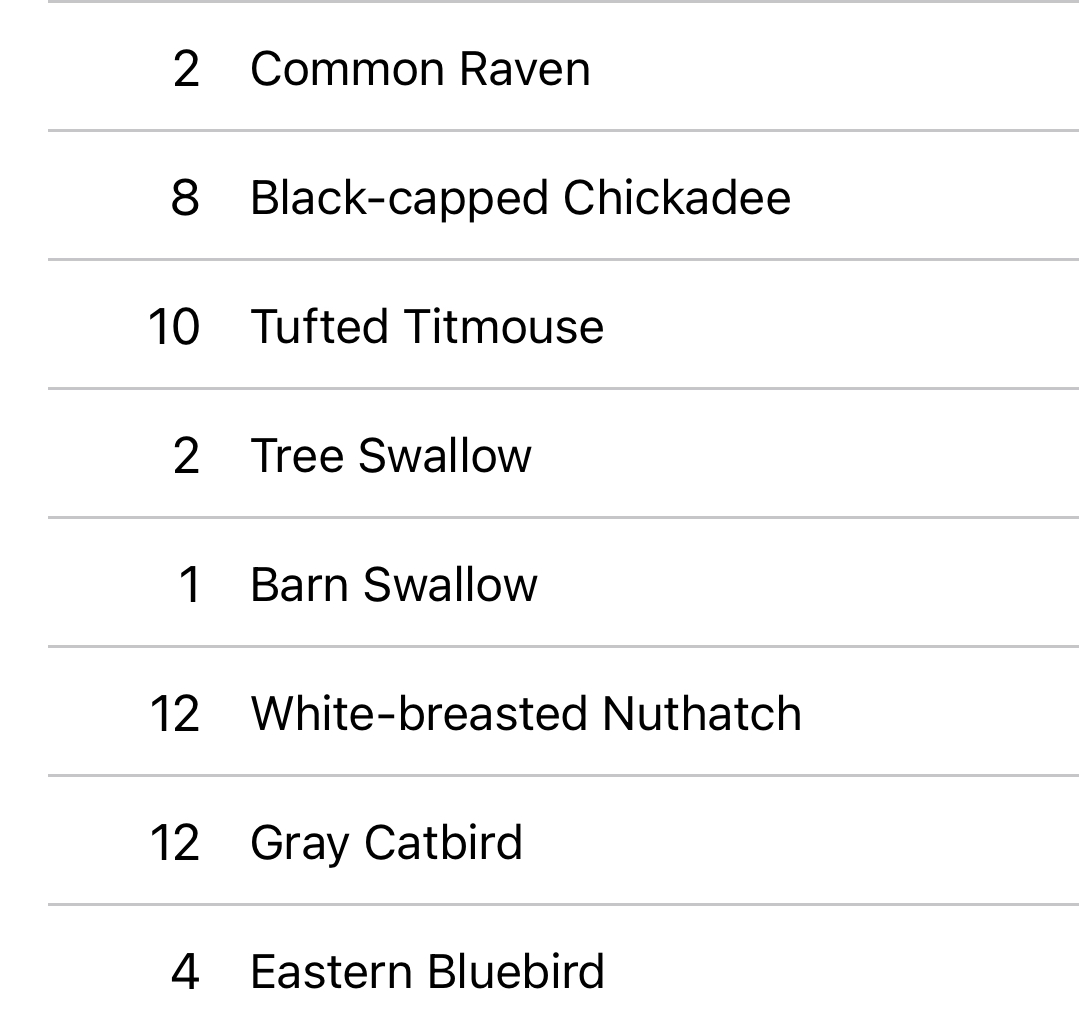
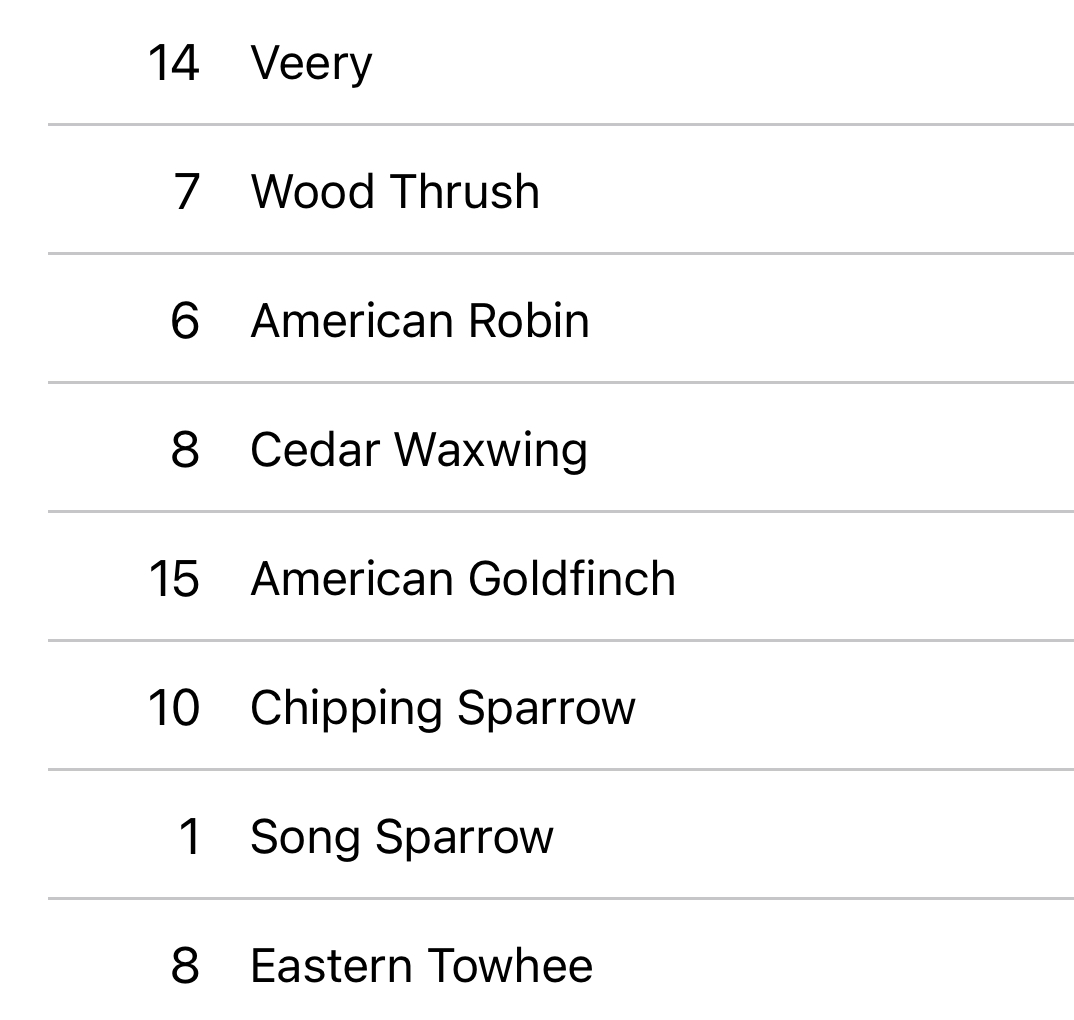
I’ve included my full list of birds species as well as a screenshot of my All Trails tracking information at the bottom of this post.
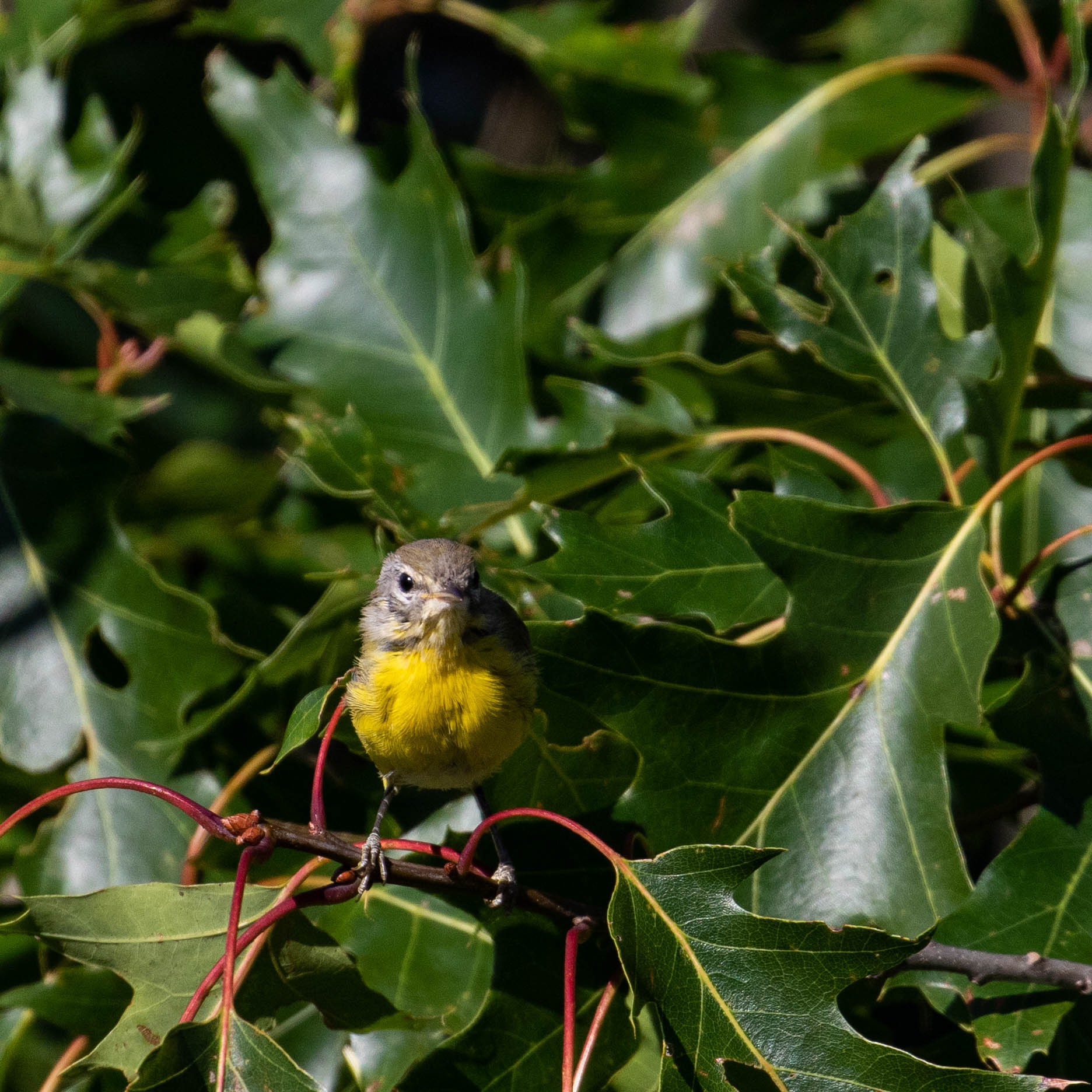
~One of 3 beavers at Black Rock Forest, 07/10/22.~~A recently fledged Prairie Warbler at Black Rock Forest, 07/10/22.~
I did get out locally yesterday evening and on Thursday night as well. Both days I went to the Camel Farm to check on shorebird progress, and it’s not bad at all with a decent species list: Lesser Yellowlegs, Killdeer, Spotted Sandpiper, Solitary Sandpiper, and Least Sandpiper. I also made it out to the Liberty Loop on Thursday and finally caught up with a Least Bittern in Orange County.
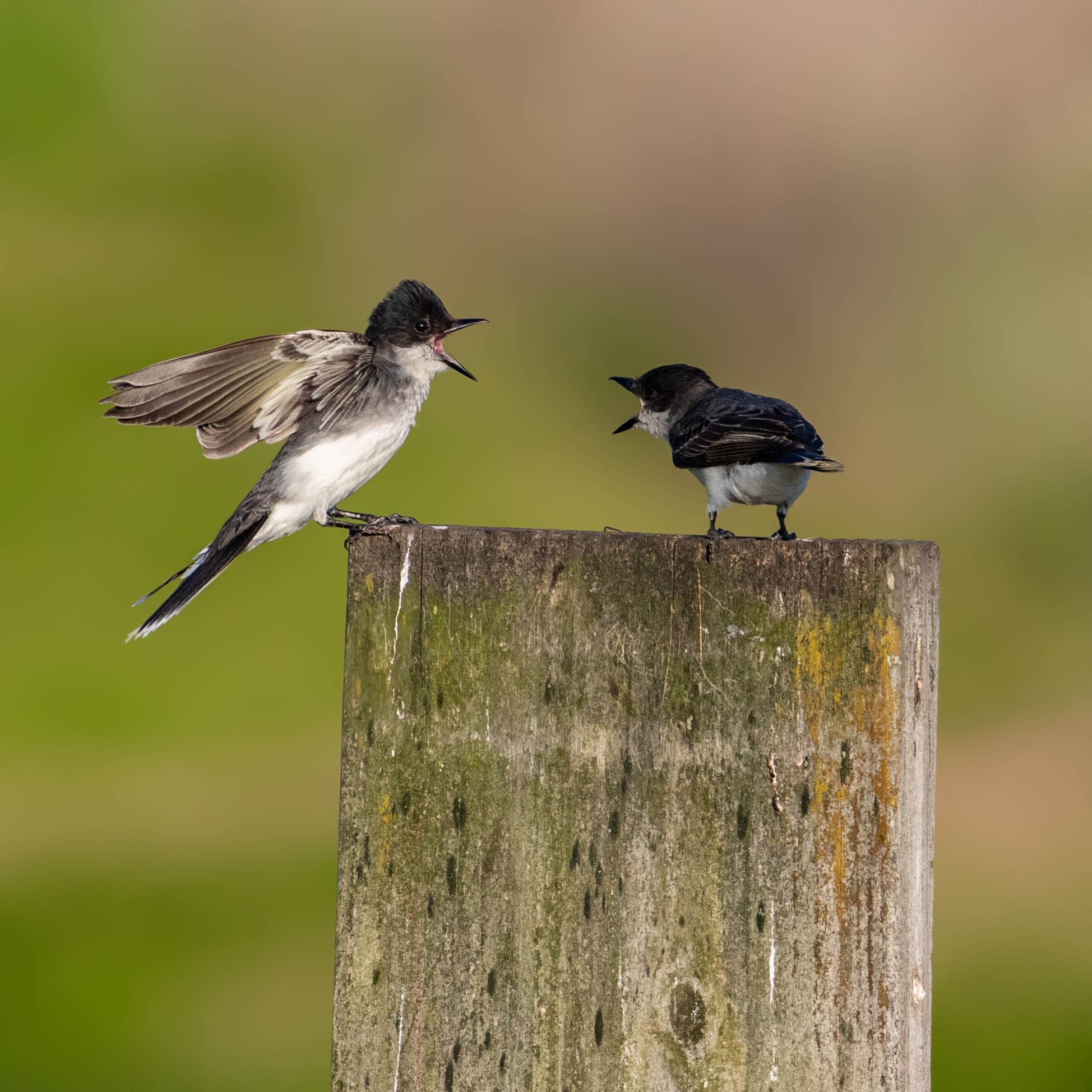
~Eastern Kingbirds at Liberty Marsh, 07/07/22.~~There are loads of Wood Duck ducklings at the Liberty Marsh right now.~~Willow Flycatcher at Liberty Marsh, 07/07/22.~~One more shot of the Eastern Kingbirds at Liberty Marsh, 07/07/22.~
Well, it sure feels like summer is finally here. And, for me, it’s brought along the birding doldrums with it. I’ve tried to be resourceful and to think of some places to visit and birds go for; that’s helped, but ultimately my birding on this long holiday weekend felt uninspired.
On Saturday morning I went to Sullivan County to bird Hickok Brook Multiple Use Area. My target bird was Ruffed Grouse, and I’m happy to report that I did, in fact see one. For about 1 second. I paused to try to find a singing Magnolia Warbler, when about 30 feet away, a Ruffed Grouse exploded out of the brush and flew like a rocket deep in to the woods. It was simulaneously exciting and disappointing, as it was great to get the bird, but a total bummer to once again get such a brief, poor look. Otherwise, the trail at Hickok Brook was birdy enough to keep it interesting, but as it goes at this time of the year, most birds were heard, not seen.
On my way home, I went through the black dirt region. The Camel Farm was surprisingly active with shorebirds – I observed over 20 Killdeer, several Spotted Sandpipers, and a single Lesser Yellowlegs.
~House Wren in my backyard last week, 06/29/22.~
On Sunday evening I went out to Sterling Forest. I went a little later in the evening so that I would still be there around sunset; my target was to finally get Eastern Whip-poor-will in Orange County this year. The Whip-poor-wills were right on time and it was really cool to hear them calling on and on, sometimes from quite nearby. Otherwise, it was quiet birding with not much going on.
~Bobolink in the black dirt, 07/02/22.~
This morning I went to the Liberty Loop nice and early, hoping for Least Bitterns. I did observe (2) LIBIs briefly in flight, but the birds were not as numberous/accommodating as they have been in past years at that location. I stopped by the Camel Farm on my way home and had basically the same shorebirds, but today there were at least (6) Spotted Sandpipers present.
Yard Birds 2022: I am stuck on 49 species; I had no new birds since I last posted.
~Great Blue Herons are already gathering in numbers at the Liberty Loop. I had at least 20 birds there this morning, 07/04/22.~. ~Green Heron at the Liberty Loop, 07/04/22.~~Black Vulture over my house on Friday evening, 07/01/22.~
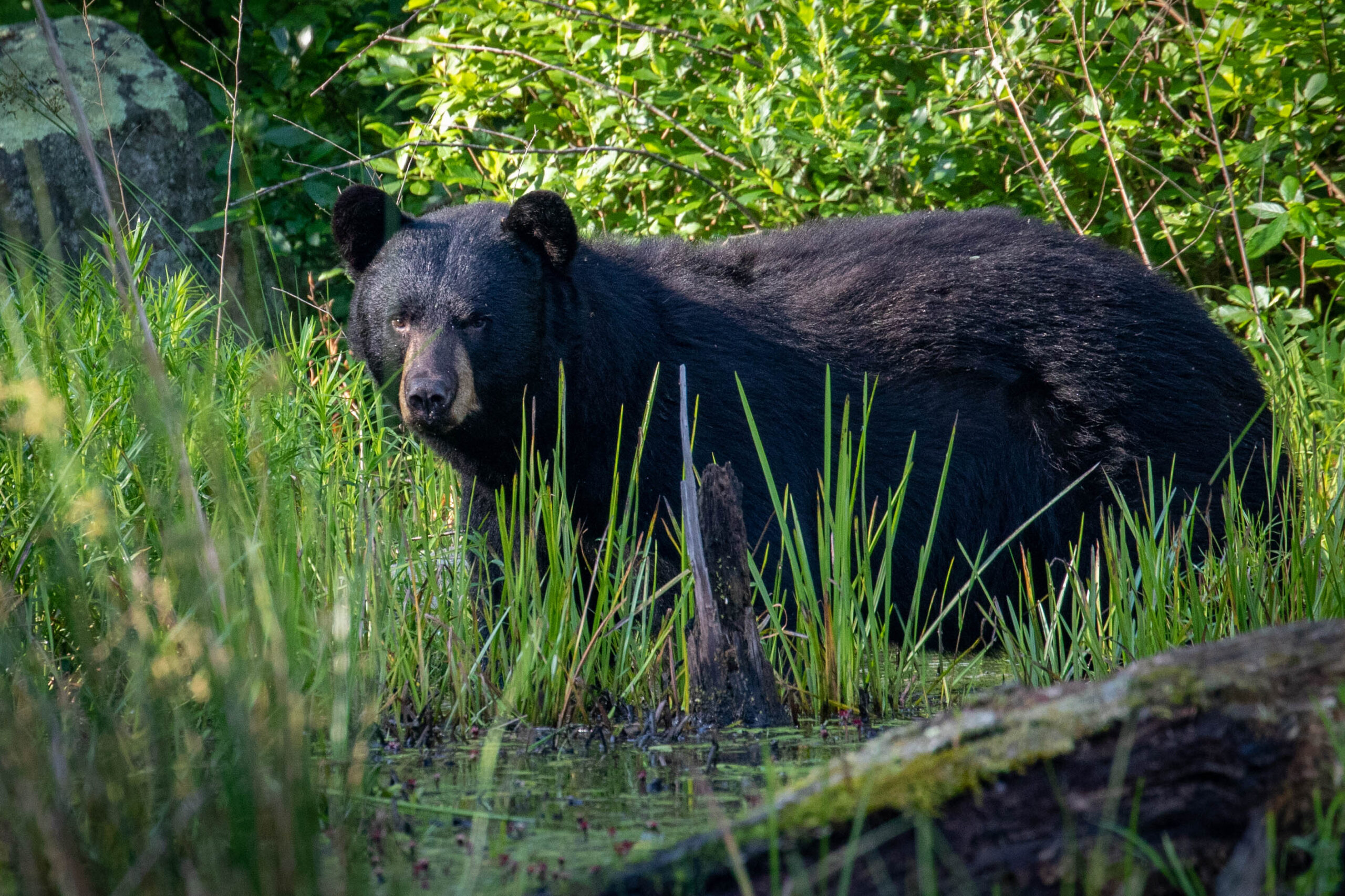
This morning I hiked the Sterling Ridge Trail at Sterling Forest State Park. I tallied just under 50 species of birds; all of them were expected species (the usuals). I did have a little bit of excitement, however, with two separate Black Bear sitings. One bear was up on a hillside, about 150 yards off the trail, and took absolutely no notice of me. The other was just on the other side of a small pond. That bear was definitely aware of my presence; it most likely heard the camera shutter. It had been a couple years since I’d seen a bear, so today was a treat.
~Black Bear at Sterling Forest State Park, 06/26/22.~
I had some hits and some misses this weekend. On Friday evening, and again on Saturday afternoon, I tried for the Scissor-tailed Flycatcher which was reported in Beacon, NY. On Friday evening I missed that bird by just over an hour; as far as I know that was the last time the bird was seen.
But, I had a really great Saturday morning. I went for the Dickcissel which was found by Ronnie DiLorenzo in the black dirt earlier in the week. I joined Kyle Knapp and the we not only enjoyed the Dickcissel, we also had a very confiding Grasshopper Sparrow. The light was nice, the birds were close and singing their hearts out; it’s hard to ask for much more than that!
~Singing Dickcissel in the black dirt, 06/11/22.~
Afterwards, I went to the Camel Farm to try for shorebirds. I was not disappointed; there were 2 Semipalmated Plovers, 1 Semipalmated Sandpiper, and a WHITE-RUMPED SANDPIPER present. Kyle and Linda Scrima joined me there and got the birds. Unfortunately, as is always the case at the Camel Farm, the birds were too distant for photos. As a consolation prize, we watched a Peregrine Falcon chase a white pigeon across the field and then fly right over us.
~Not to be outdone, this Grasshopper Sparrow was singing like crazy too. Black dirt, 06/11/22.~
This morning I went back to the Camel Farm and the White-rumped Sandpiper and the Semipalmated Sandpiper were still present, sharing the pond with a Spotted Sandpiper. I also went to the south pond at the Liberty Loop, hoping for shorebirds. Unfortunately conditions weren’t great and I didn’t have any shorebirds. But, again, consolation prize, I had a nice experience with two White-tailed Deer fawns that were playing and just going bananas running around the marsh. They were so cute!
~Nutso fawns going bananas. Liberty Loop 06/12/22.~
Yard Birds 2022: (49) I’ve stalled out in my yard; I didn’t add any new birds since my last post.
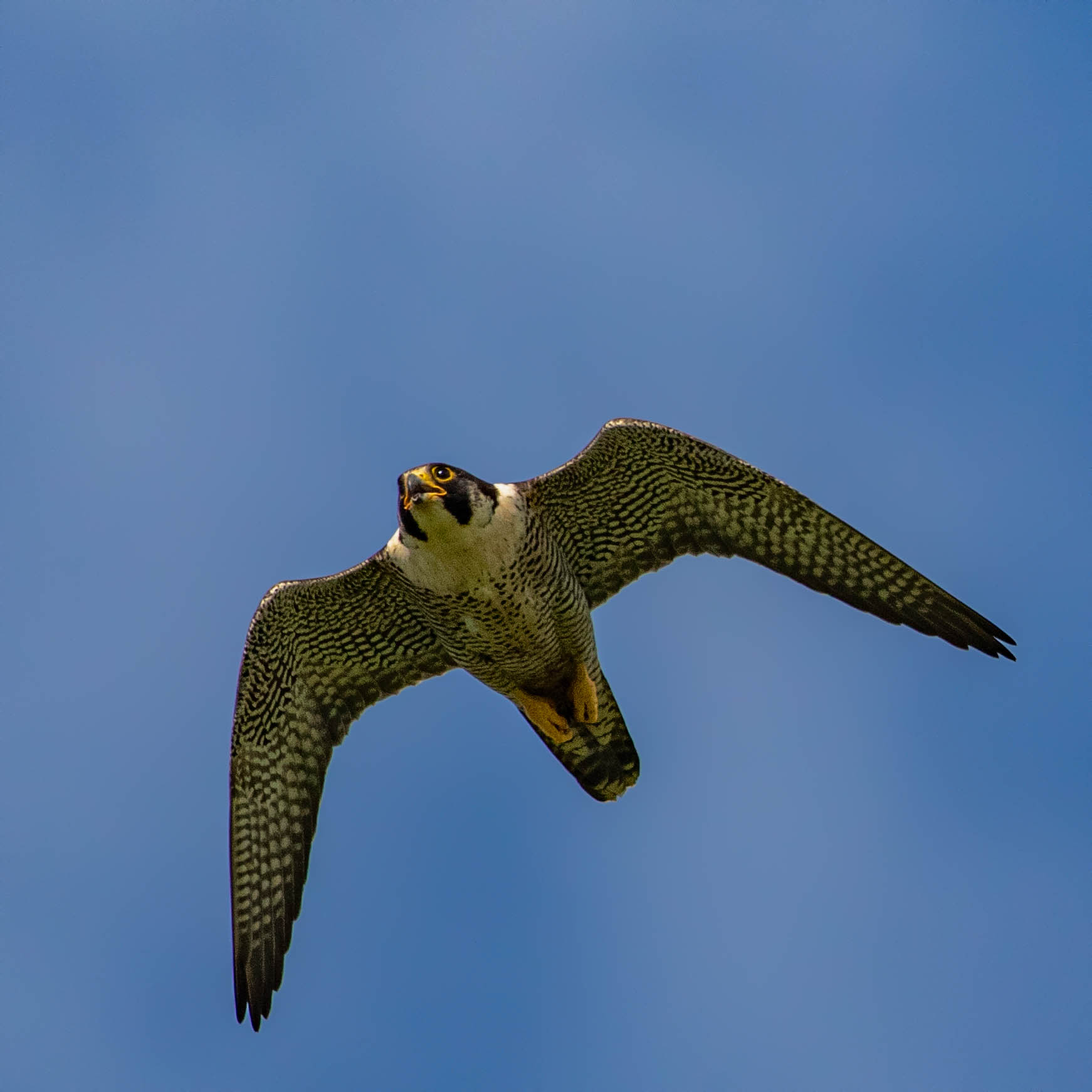
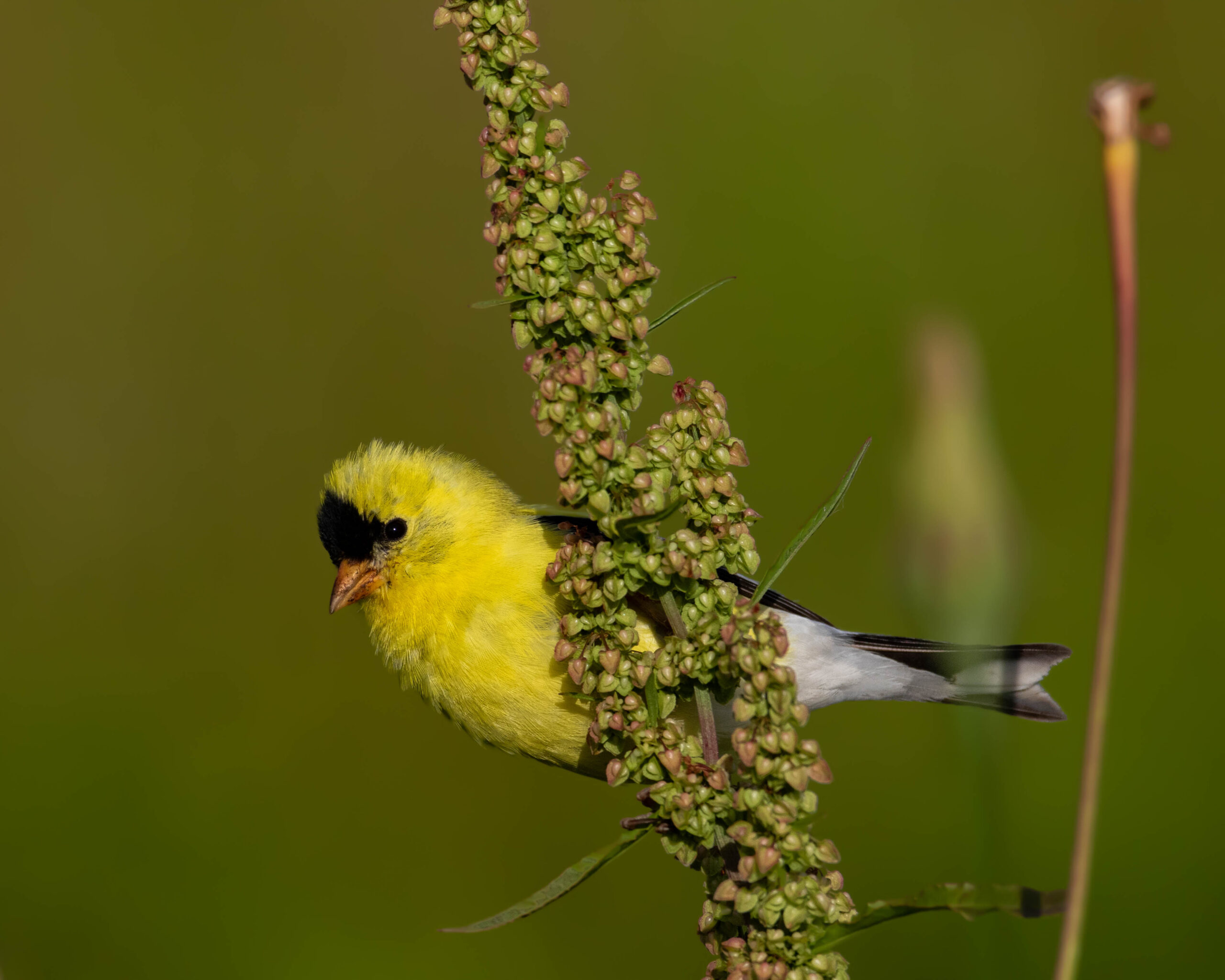
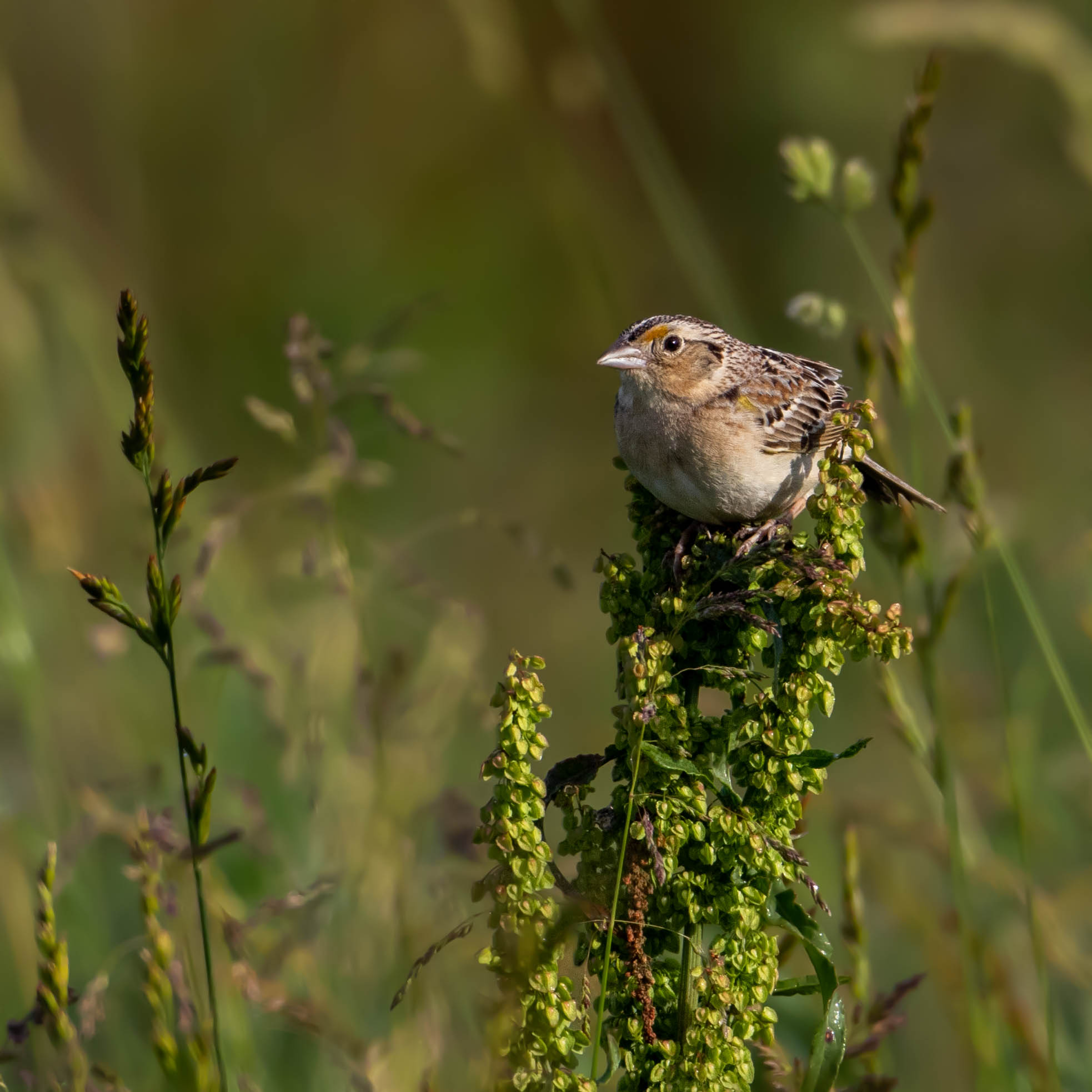
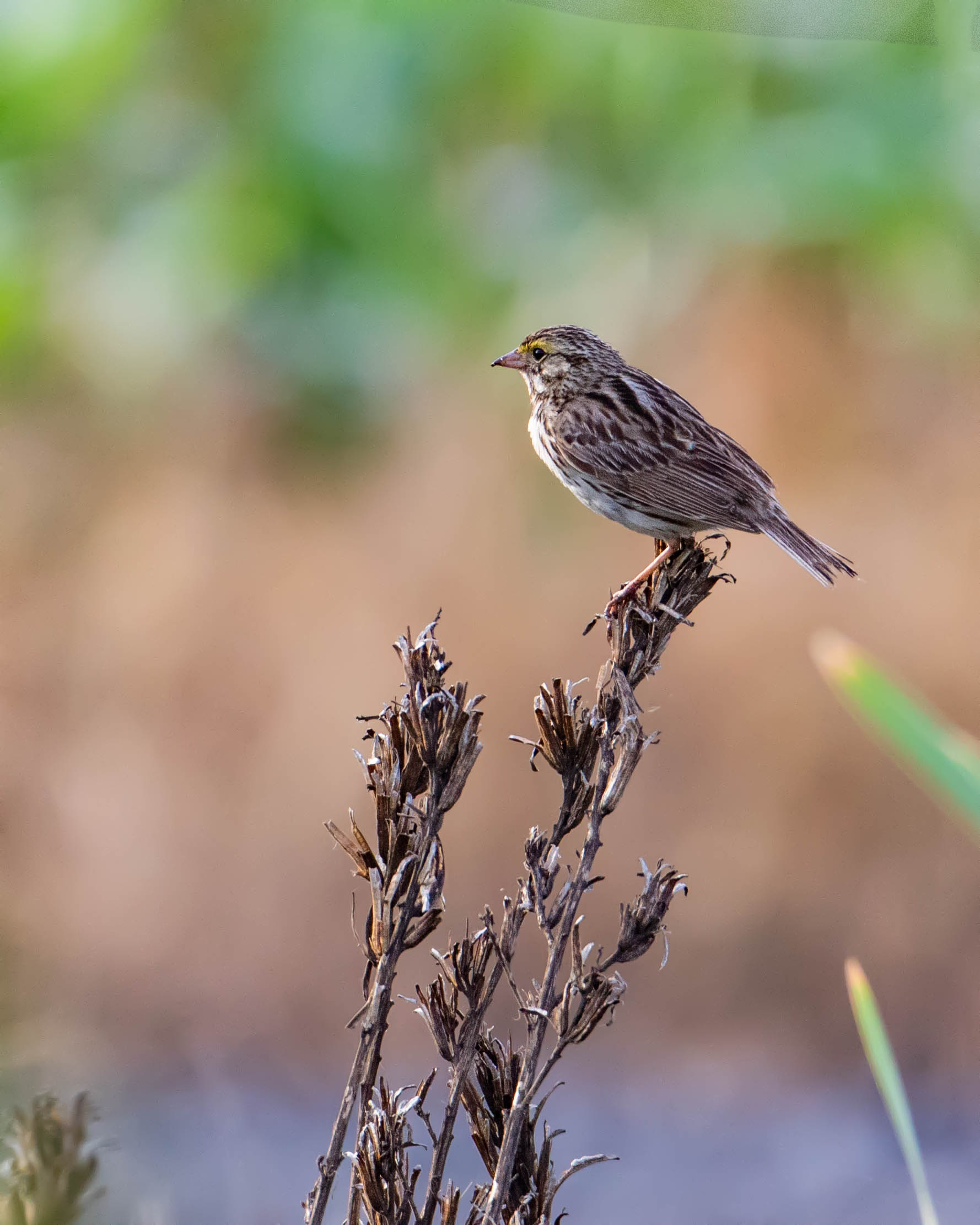
~Peregrine Falcon at the Camel Farm 06/11/22.~ ~Goldfinch in the black dirt, 06/11/22.~~I love Grasshopper Sparrows. They are an odd looking but somehow still attractive sparrow. Black dirt 06/11/22.~~Savannah Sparrow with a colorful background in the black dirt, 06/11/22.~
I spent my birding time over the past couple of days trying to catch up with the NEOTROPIC CORMORANT that Bruce Nott and Ken McDermott found at the Newburgh Rowing Club on Saturday evening. I was in Newburgh twice yesterday and had some rotten luck, missing the bird by less than 10 minutes. Today was a different story and I finally connected with the bird thanks to two birders up from the city (Heydi & Ryan maybe? Sorry I’m so bad with names). I connected with them when they first arrived, and not to long after that, they contacted me to let me know they had found the bird by the Newburgh Ferry. The bird was cooperative until birding bud Rob Stone arrived and got it, but shortly after that it was flushed by a pair of jet skis.
~Wow! NEOTROPIC CORMORANT on the Hudson River near the Newburgh Ferry 05/30/22. From what I understand, this is only the 6th NECO record in NYS .~
The NECO wasn’t the only excitement I had this week. I was focusing on breaking 200 birds in Sullivan this week. On Thursday I joined Karen Miller out at Haven Road and we heard a solitary Eastern Whip-poor-will (#199) calling. On Saturday I went to the Neversink Reservoir and got Bobolink (200) and Savannah Sparrow (201). Afterwards, I birded Hurleyville Swamp and was able to clearly hear an Alder Flycatcher (202) calling away. I was going to head home at that point, having cleaned up pretty good, but John Haas contacted me to let me know he had a Mourning Warbler calling near Cooley Bog. I ran for that bird, and although I didn’t ever lay eyes on it, I heard it well. The Mourning Warbler bumped my Sullivan County total to 203 and it was also a life bird for me (4 in a week! Craziness!).
~A wet and bedraggled looking Bobolink was my 200th bird in Sullivan County. Neversink Reservoir, 05/28/22.~
Yard Birds 2022: (49) For all the good luck I had this week, it didn’t come home with me; I didn’t add any new birds to my yard list.
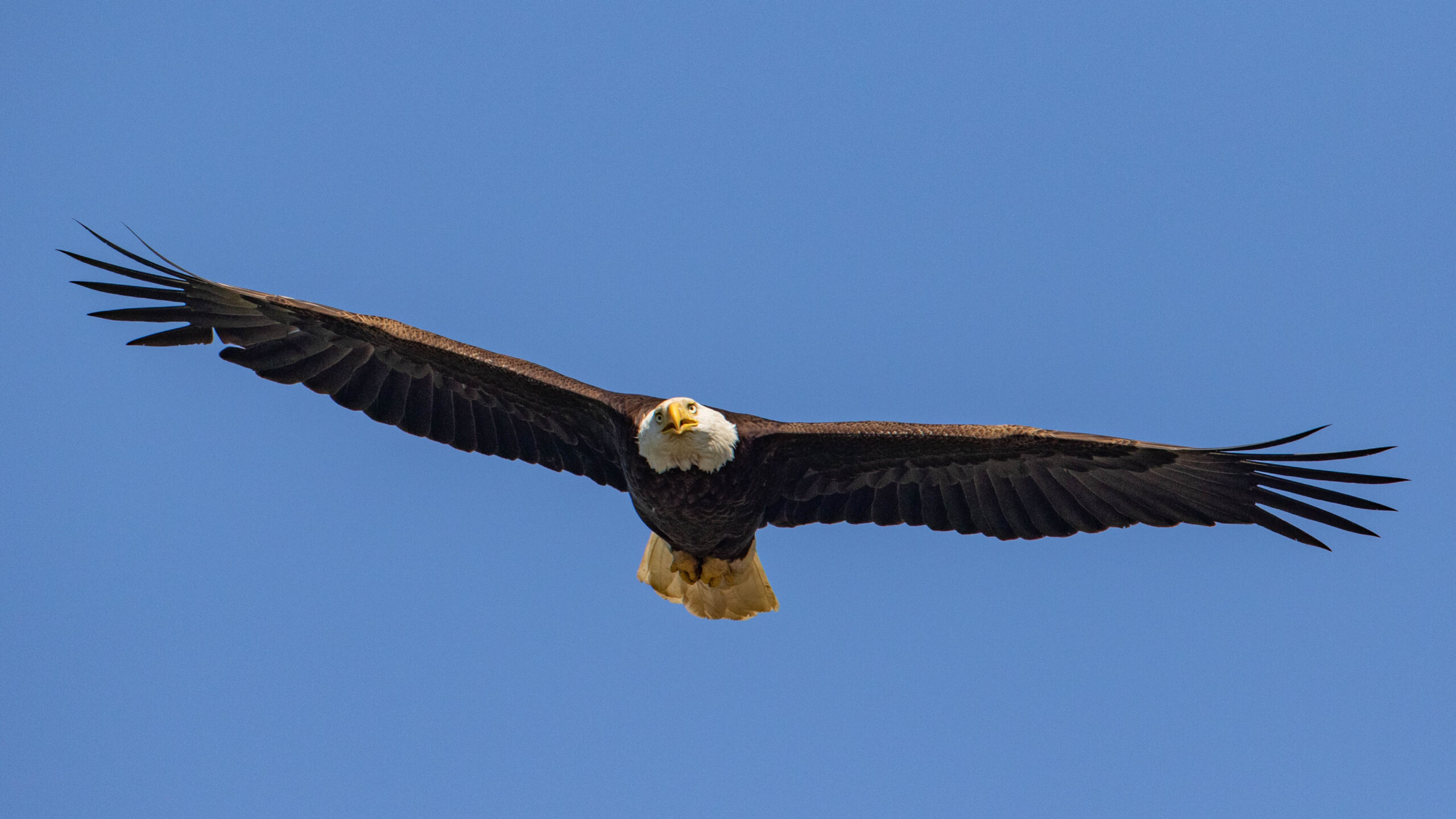
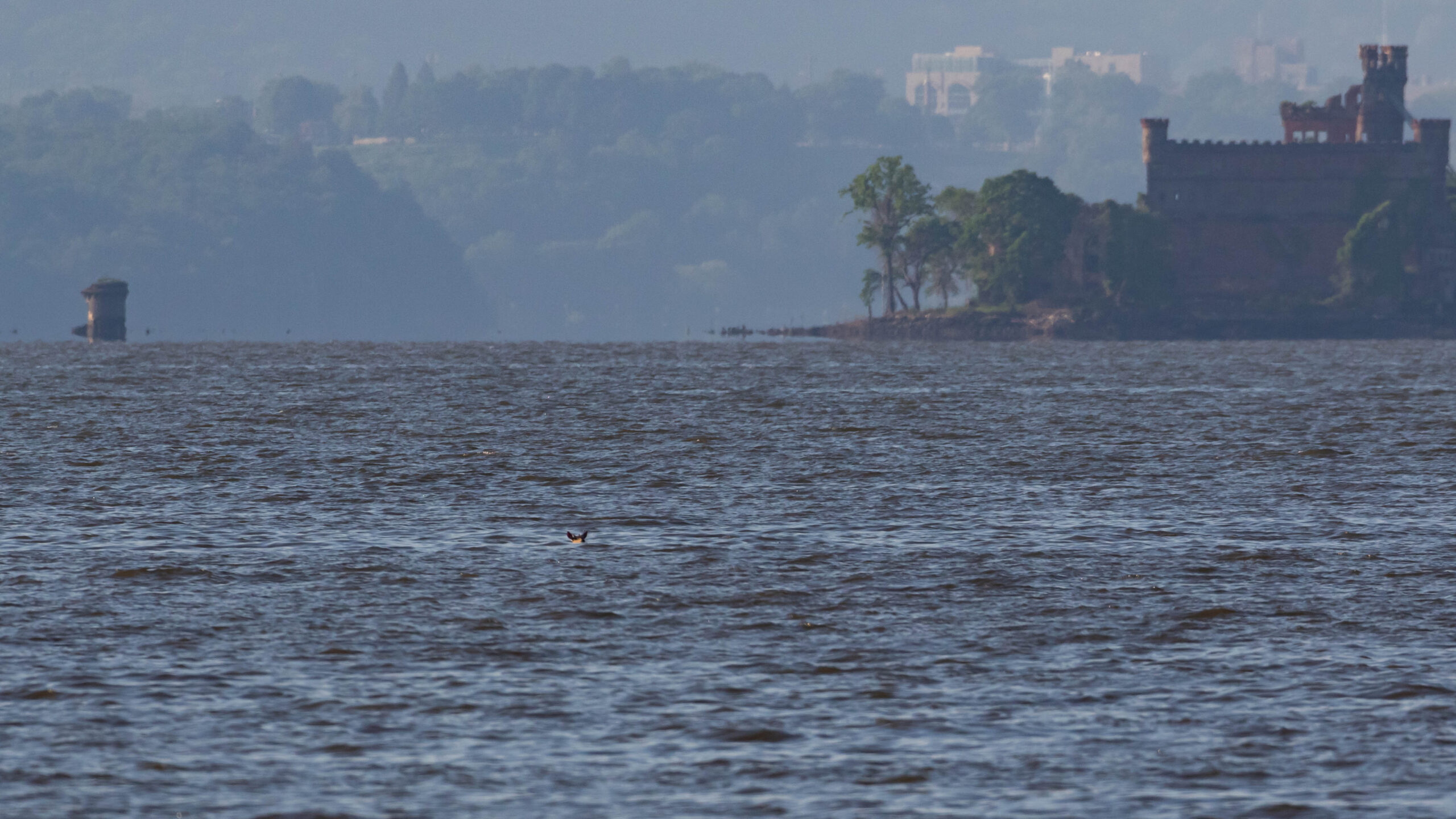
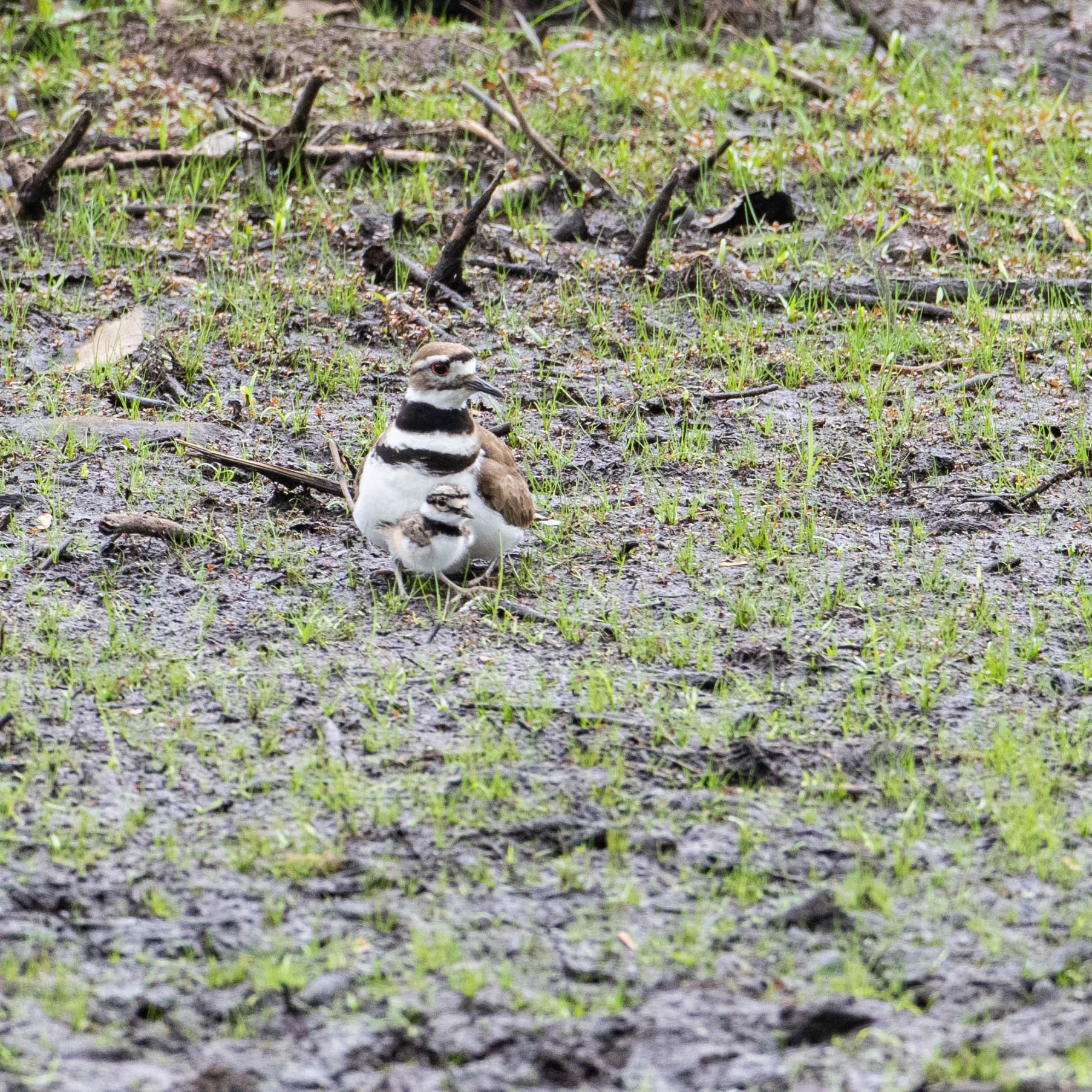
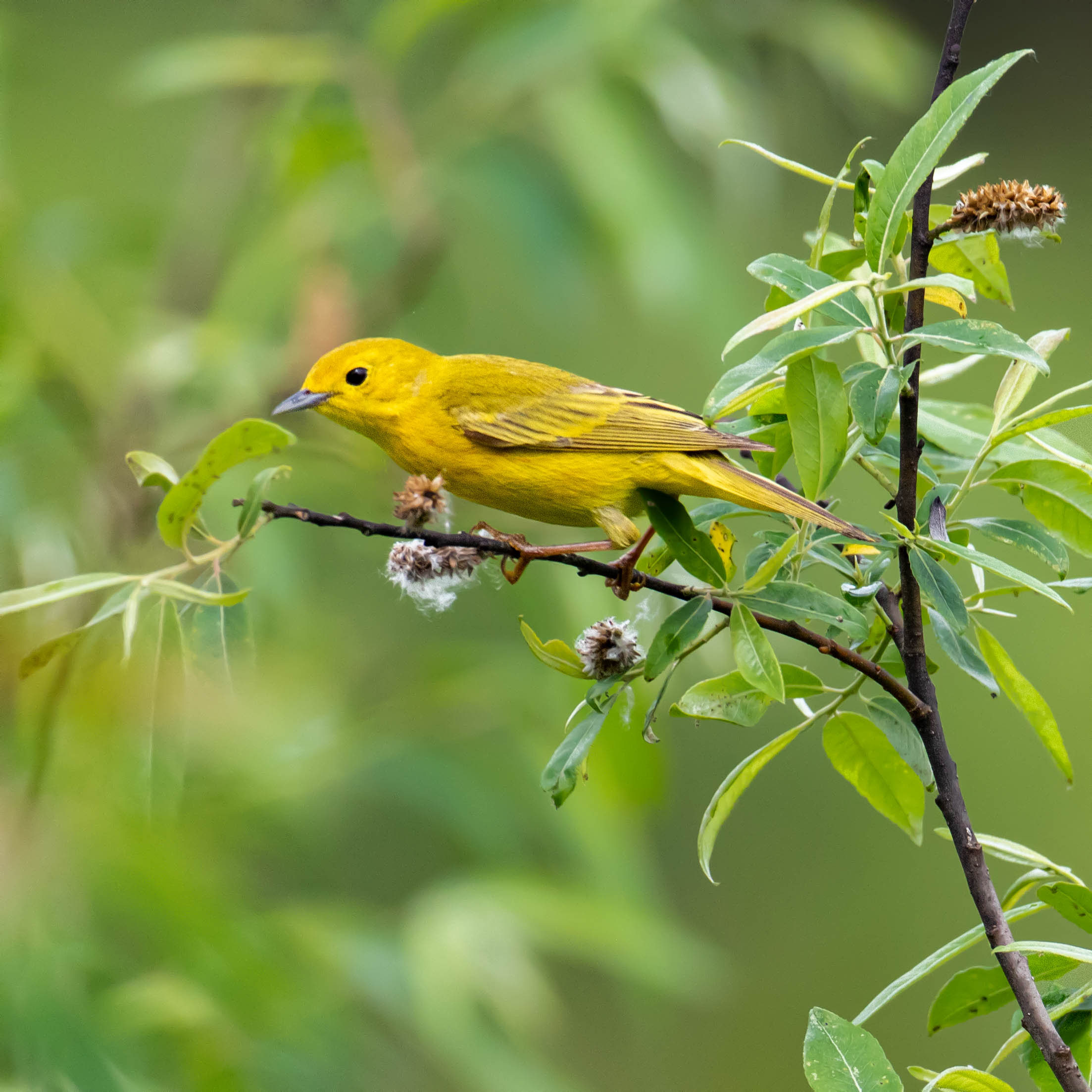
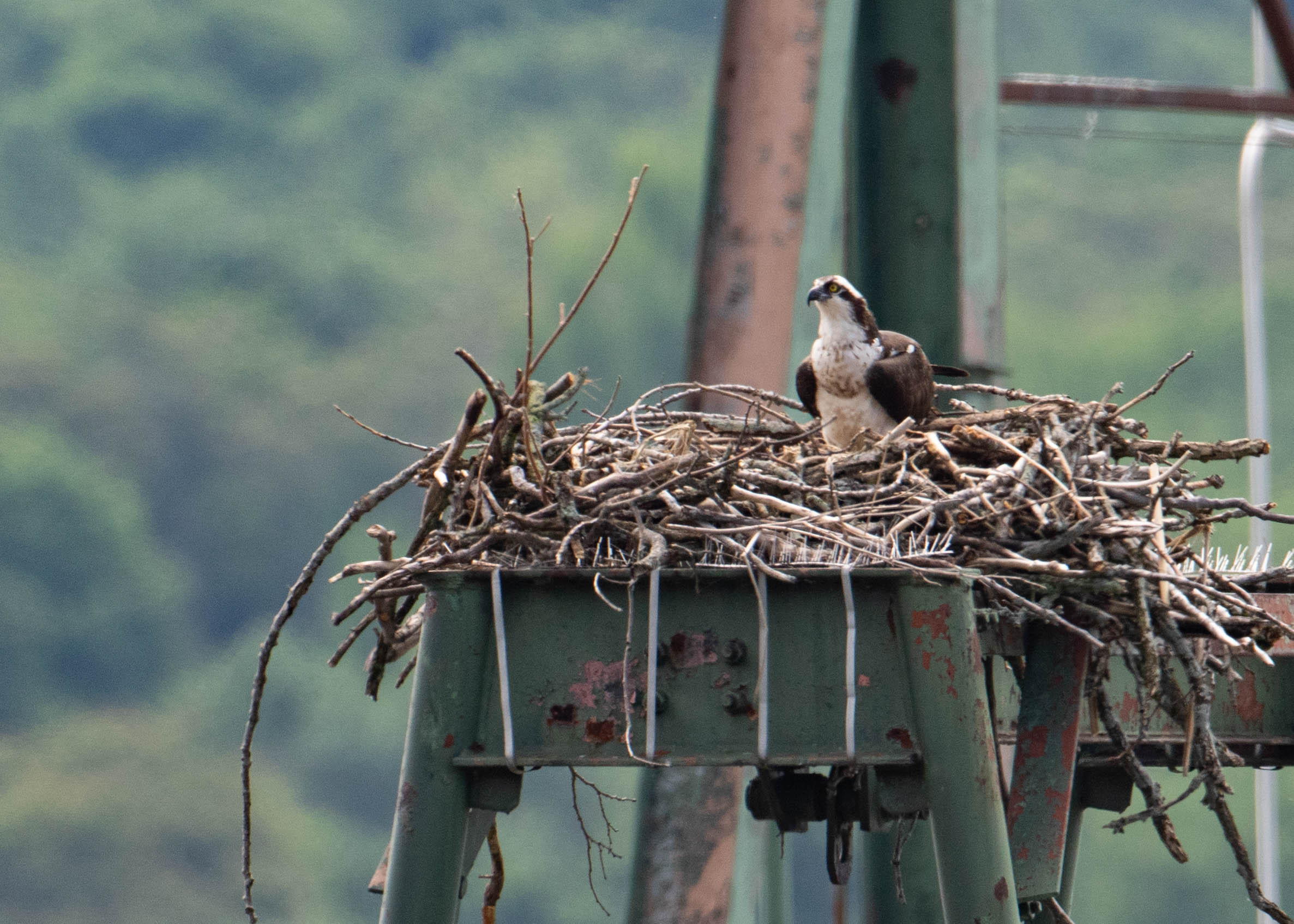
~Bald Eagle at the Newburgh Rowing Club, 05/29/22.~~Now this was crazy. When I arrived at the Newburgh Rowing Club this morning, Matt Klein was there. He immediately got me on this white-tailed deer swimming across the river! The deer must have realized it was longer than it thought, and just under halfway across it turned back and made it back to Orange County unscathed. ~Cuteness. Killdeer and chick at Hurleyville Swamp 05/28/22.~~Yellow Warbler at Hurleyville Swamp, 05/28/22.~ ~Osprey on the Hudson River, 05/29/22.~
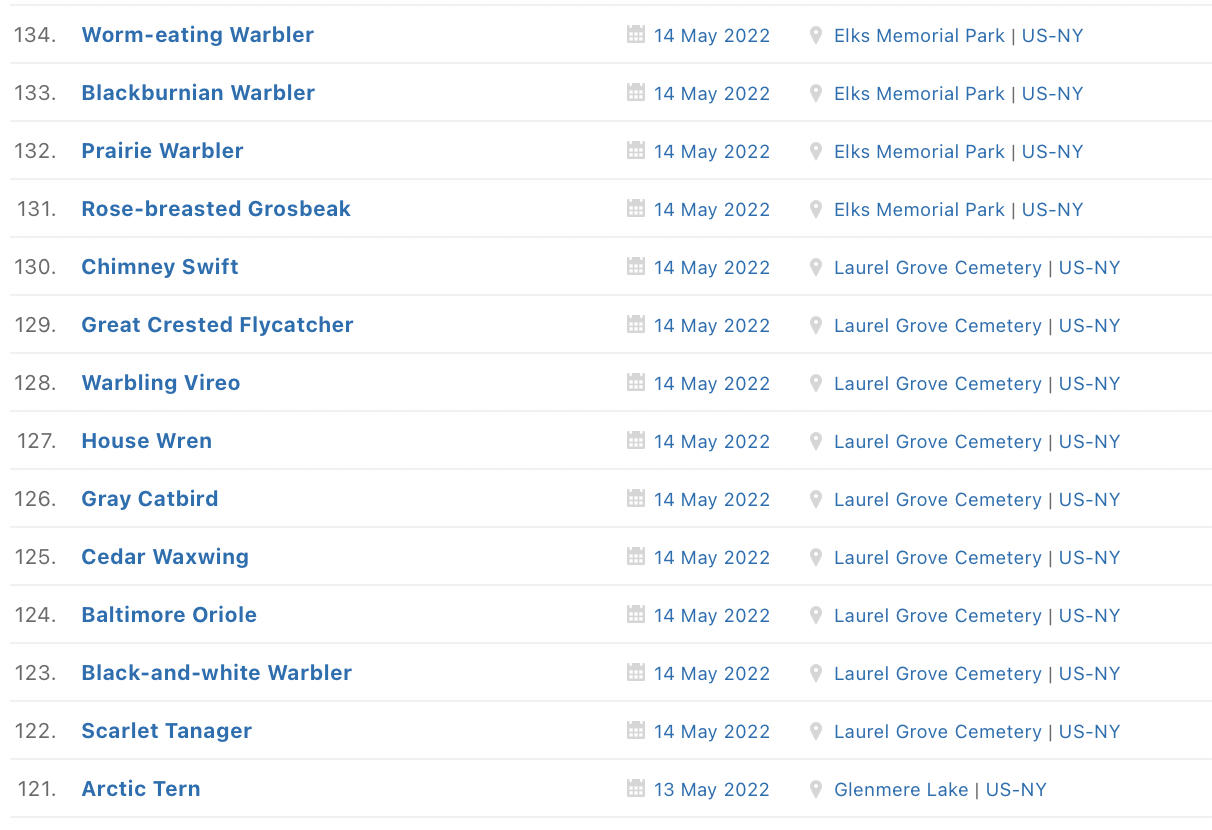
After Friday night’s Arctic Tern excitement, the weekend of birding felt a little hum-drum for me – looking for small birds in the treetops doesn’t always do it for me. But, since I was away last weekend, and I didn’t get out much this week, I was well behind my normal pace. I started the weekend with my lowest number of species in Orange County (at this date), in over 5 years. Because of that, many of the birds I heard and saw over the past couple of days were new birds for the year. I added a good number of new species over the weekend – 35 to be exact. Exciting birds for me included Blackburnian Warble, Worm-eating Warbler, Swainson’s Thrush, and Semipalmated Plover. I’ve included a list of all my new birds at the bottom of this post.
~Worm-eating Warbler singing at Pochuck State Forest, 05/15/22.~
Yard Birds 2022: (47) – I added 4 species since I last reported: Chimney Swift, European Starling, Northern Parula, and Great Crested Flycatcher.
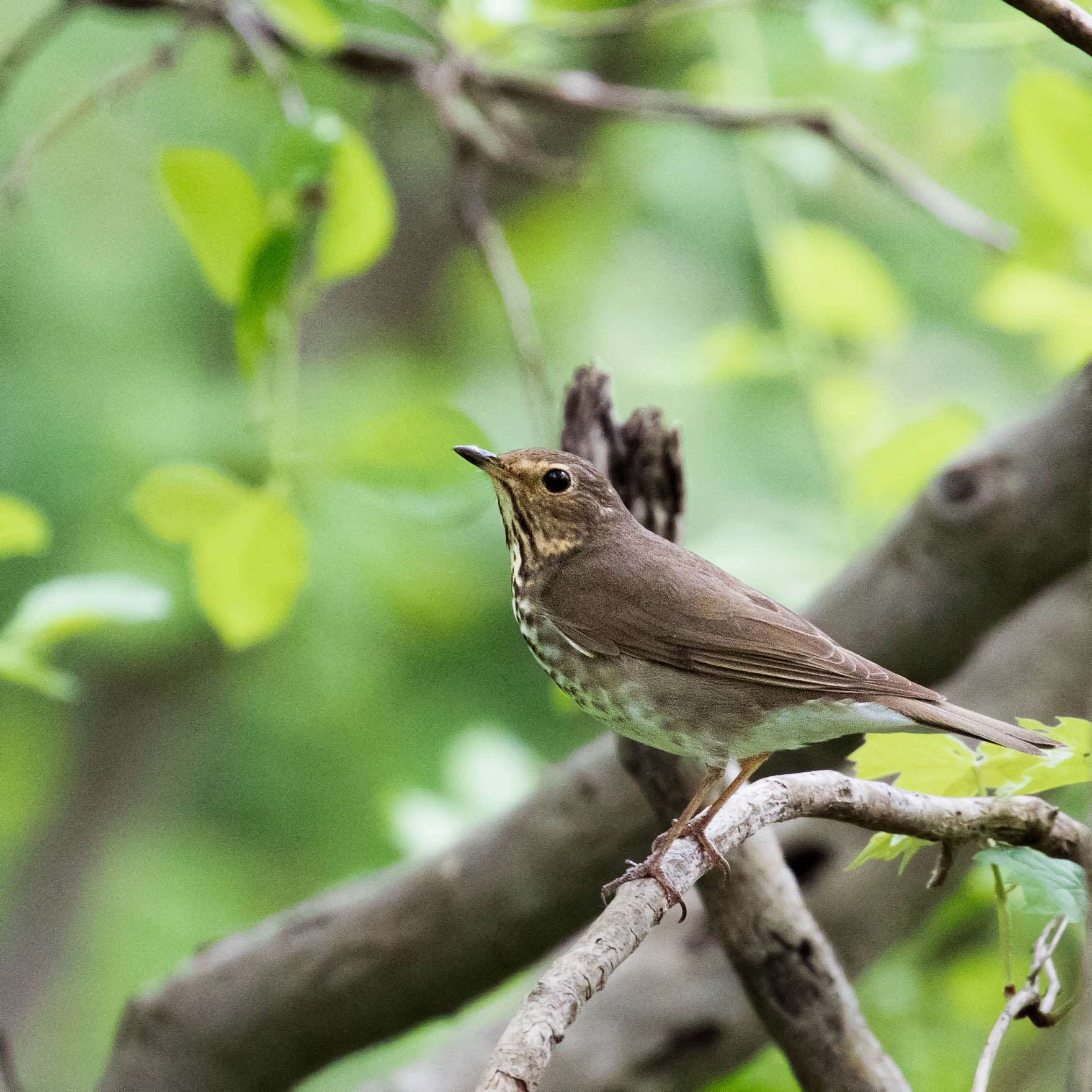
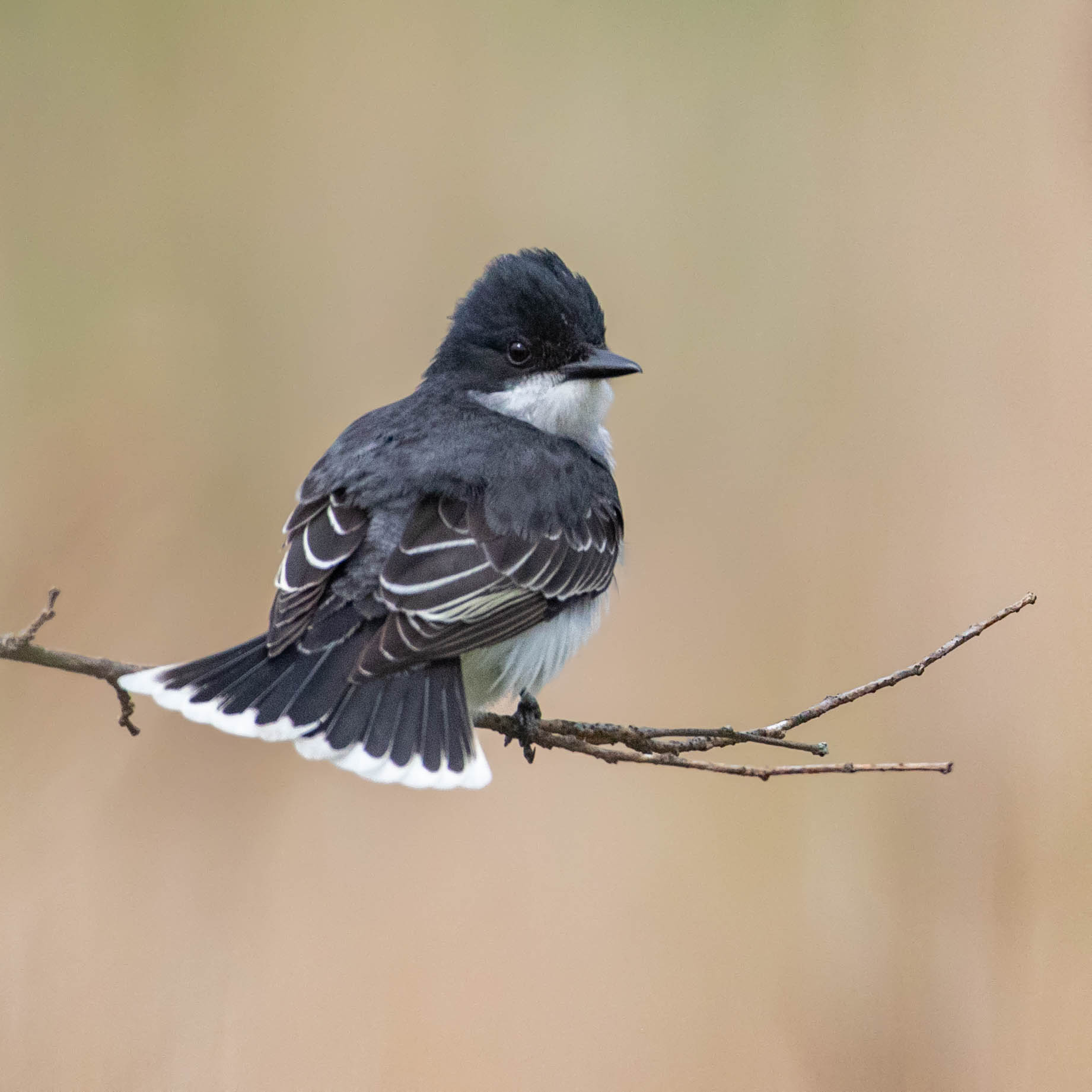
~Swainson’s Thrush at Pochuck State Forest, 05/15/22.~~Ovenbird at Elks Brox on 05/14/22.~~Ruby-throated Hummingbird in our yard, 05/12/22.~~My FOY Eastern Kingbird, at the Liberty Loop 05/15/22.~~Great Blue Heron coming in to land at 6 1/2 Station Road Sanctuary, 05/15/22.~~A species that I see and hear all the time, but don’t photograph that often – House Wren at Laurel Grove Cemetery, 05/15/22.~
This afternoon Karen Miller reported several tern species at Glenmere Lake. Meanwhile John Haas had 18 terns at the Bashakill which would prove to be ARCTIC TERNS. I was dying at work, as you can imagine. Then, I saw a report on the NYS list serve for Arctic Terns in Westchester County. I knew I had to get to Glenmere after work if the birds stuck around. Linda Scrima kept me posted, and I ran for the birds after work. There were 7 individuals present, all in constant flight, quite distant, feeding over the lake. Linda left and had one of her photos confirmed as an ARCTIC TERN! I took over 1,000 photos, and this evening I reviewed them and could not find any individual which didn’t look like an Arctic to me. Apparently this is a first county record for Orange County, so that’s pretty exciting!
All photos ARCTIC TERNS at Glenmere Lake on 05/13/22.
I really enjoyed my birding time in Cape Cod over the weekend. It was an extended weekend for me, as I took Thursday and Friday off work. Birding bud Rob Stone does a lot of birding on the cape, so he provided me with some good intel prior to the trip. Based on this information, the primo spot from my perspective is Race Point, so I went there first thing Friday morning and then, as fate would have it, Rob was also on the cape over the weekend, and we joined up to bird Race Point again on Saturday morning.
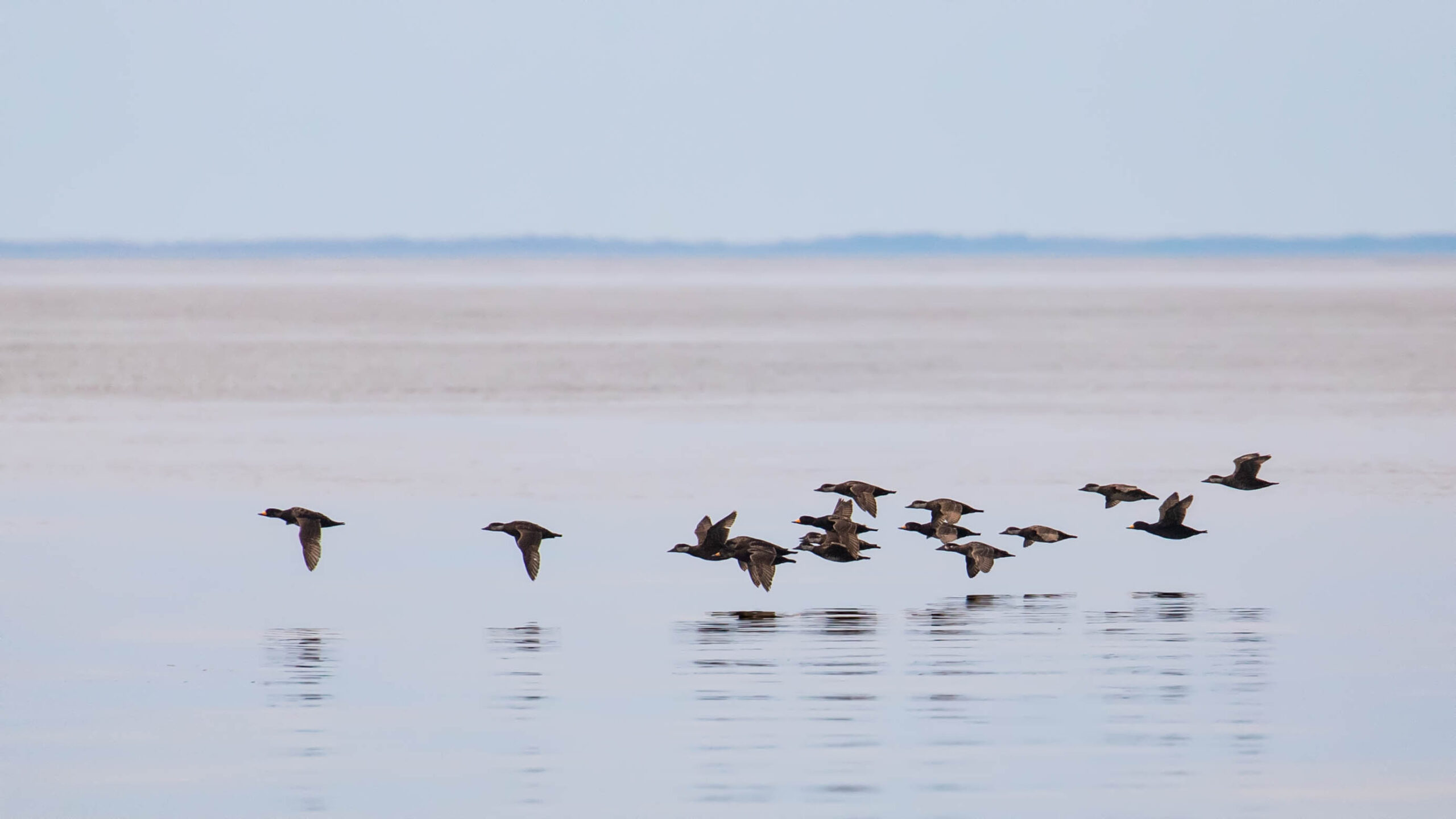
~Black Scoters in flight at Race Point, 05/06/22. I believe the fifth bird from the back might be a Surf Scoter with them.~
I really enjoy birding at the shore, and the highlight of the 2 days was getting eight species of gull: Herring, Ring-billed, Great Black-backed Gull, Lesser Black-backed Gull, Bonaparte’s Gull, Laughing Gull, Iceland Gull, and Glaucous Gull. The only real disappointment was not also getting Black-legged Kittiwake, which is apparently expected at this time of year at Race Point. We also had plenty of Common Terns, but were unable to locate any Roseate Terns which would also be expected.
~Two Bonaparte’s Gulls lead the larger Laughing Gull into the wind at Race Point, 05/07/22.~
I was also impressed with the high numbers of Red-breasted Mergansers – there were hundreds present on both days. Other waterfowl included large numbers of White-winged Scoters, loads of Double-crested Cormorants, plenty of Common and Red-throated Loons, some Common Eiders, and possibly one Surf Scoter.
Other than several Piping Plovers each day, shorebirds were a disappointment with only a few Willets and a single Spotted Sandpiper observed. Northern Gannets were nearly a no-show on Friday, but Saturday were plentiful.
~Two White-winged Scoters cruise by at Race Point, 05/06/22.~
The weather was another big factor. Friday was calm, with the sun trying to poke out all day; the ocean was like a lake, smooth as glass for the most part. On Saturday, the winds really picked up as the morning progressed. On our way back from the point we were walking into 25 mph winds with gusts which we estimated in the 40 mph range. The sand, which is very course, was up and flying, pelting our faces as we walked into it.
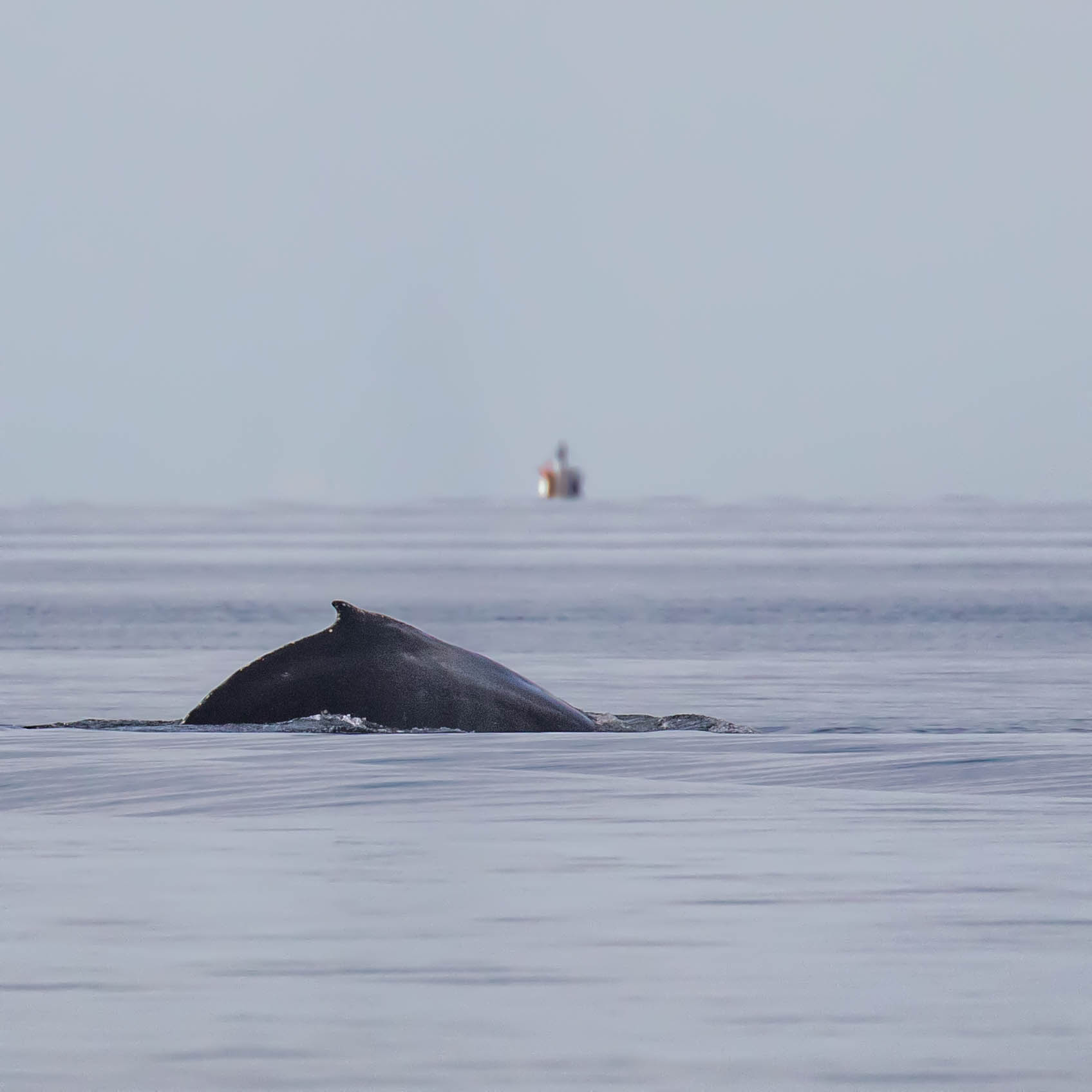
~I saw whales both days. I think this is likely a Humpback Whale, if anyone out there knows please comment. Race Point 05/06/22.~
Yard Birds 2022: (43) – I added 4 new species since last weekend: Nashville Warbler, Hermit Thrush, Gray Catbird, and Yellow Warbler.
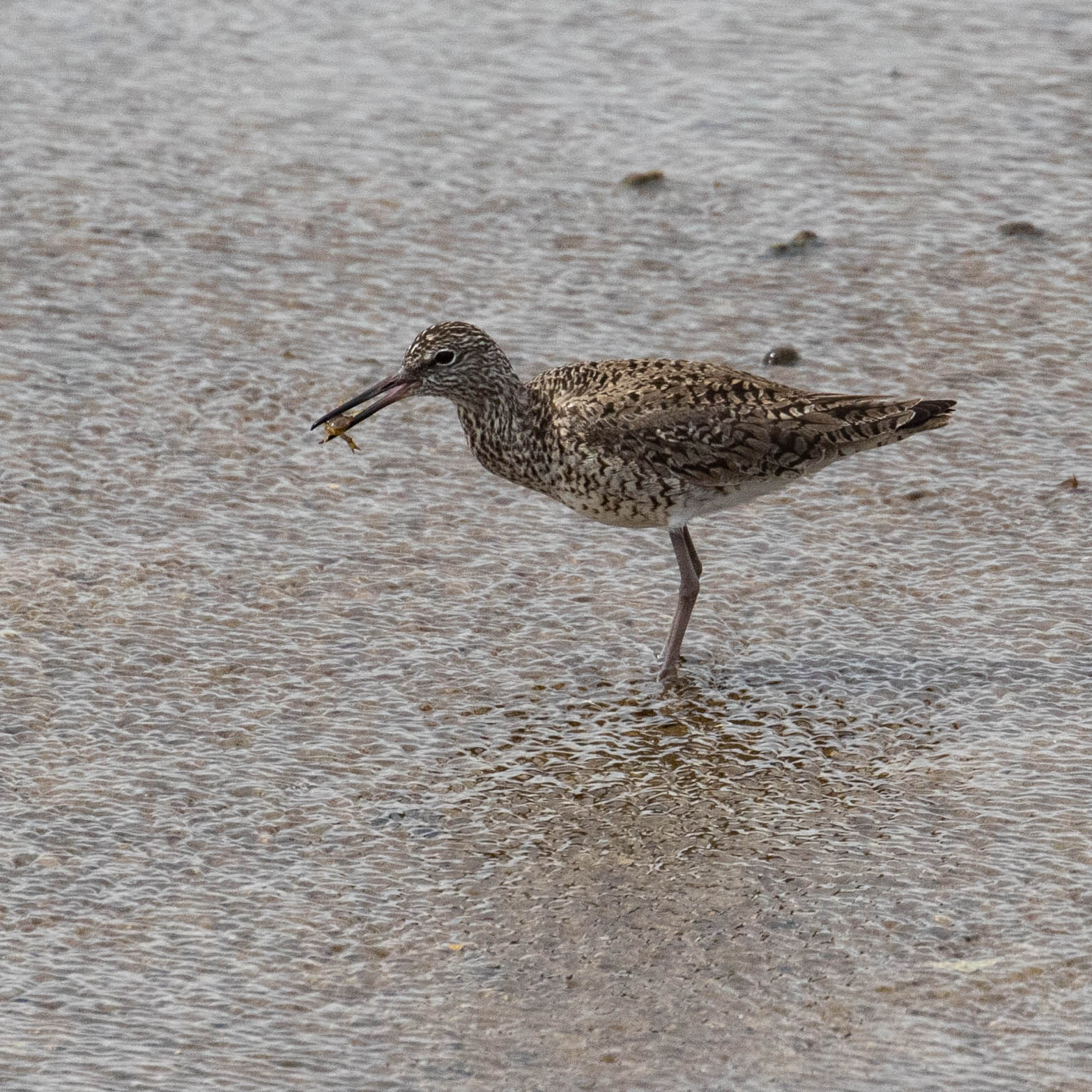
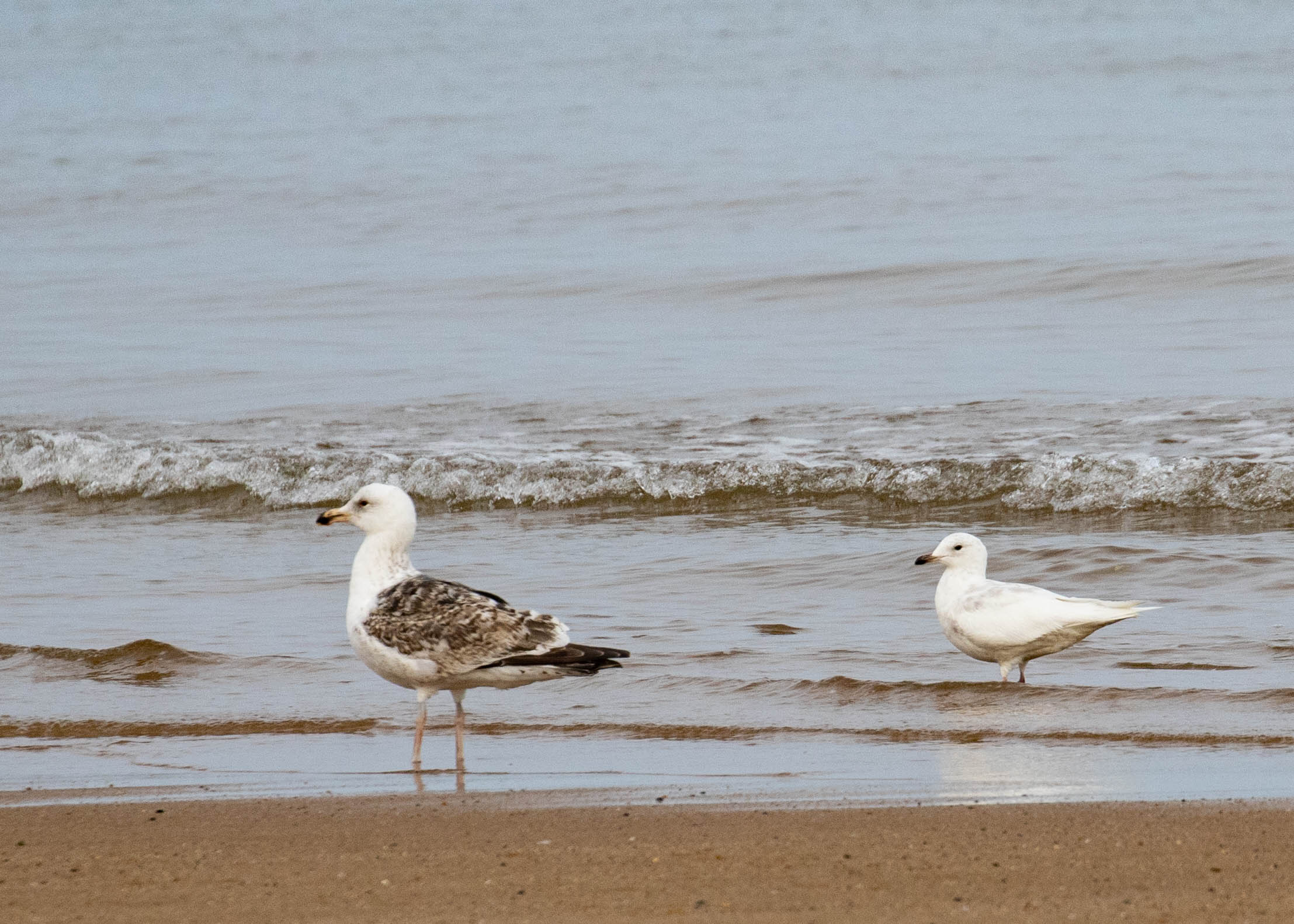
~Glaucous Gull on the beach at Race Point, 05/07/22.~ ~Common Eider zipping by at Race Point, 05/06/22.~~Piping Plover at Race Point, 05/06/22.~~Common Eider on the beach right across from where we were staying in Wellfleet, MA 05/05/22.~~Osprey overhead in Wellfleet, MA 05/08/22.~~Willet in Provincetown, MA 05/07/22.~~Iceland Gull alongside a Great Black-backed Gull, Race Point 05/06/22.~