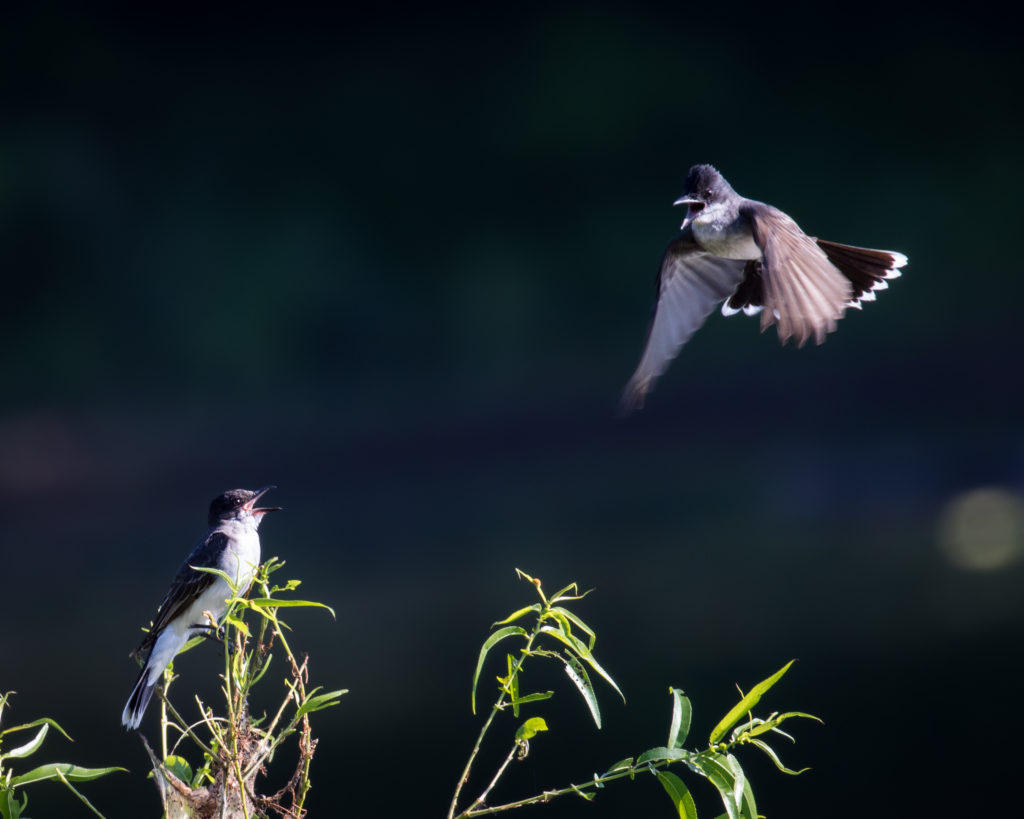
Sometimes it just takes one good bird or one good photo to make my day. Today it was this shot of a pair of Eastern Kingbirds taken at Black Rock Forest. I got out early(ish) and took a shorter hike that was not overwhelmingly birdy, but still pleasant enough. I had a secret hope that I might hear Ruffed Grouse in the distance, as the trail I walked is not all that far from Jupiter’s Boulder, but alas it didn’t happen. This time of year, it’s just nice to get out for a little while, and if you can beat the heat it’s that much better.
Since this weekend was pretty much a bust as far as photos go, I decided to take the opportunity to go back to some photographs that I previously hadn’t posted. This spring and early summer, several Sandhill Cranes were being seen in the area of the Wallkill River National Wildlife Refuge. I was lucky enough to get flight shots on two occasions; it was quite a treat to see these big beautiful birds in flight.
~Sandhill Crane at Wallkill River NWR, 5/31/19.~SACR in flight, Wallkill River NWR 05/26/19.~
…well, a day late due to the holiday weekend. I got out several times over the long weekend, basically staying local and getting the usuals. I had my first Semipalmated Sandpipers of the year at the Camel Farm and at Wallkill River National Wildlife Refuge on Saturday. Yesterday I ran to the Deli Fields at the Bashakill for a Mourning Warbler that John Haas had reported, but alas I didn’t have any luck with that bird. Today I had my first Black-billed Cuckoo of the year, a bird I would usually have seen or heard before now most years. Migration is winding down, so I mostly was just glad to be outside and enjoying the birds.
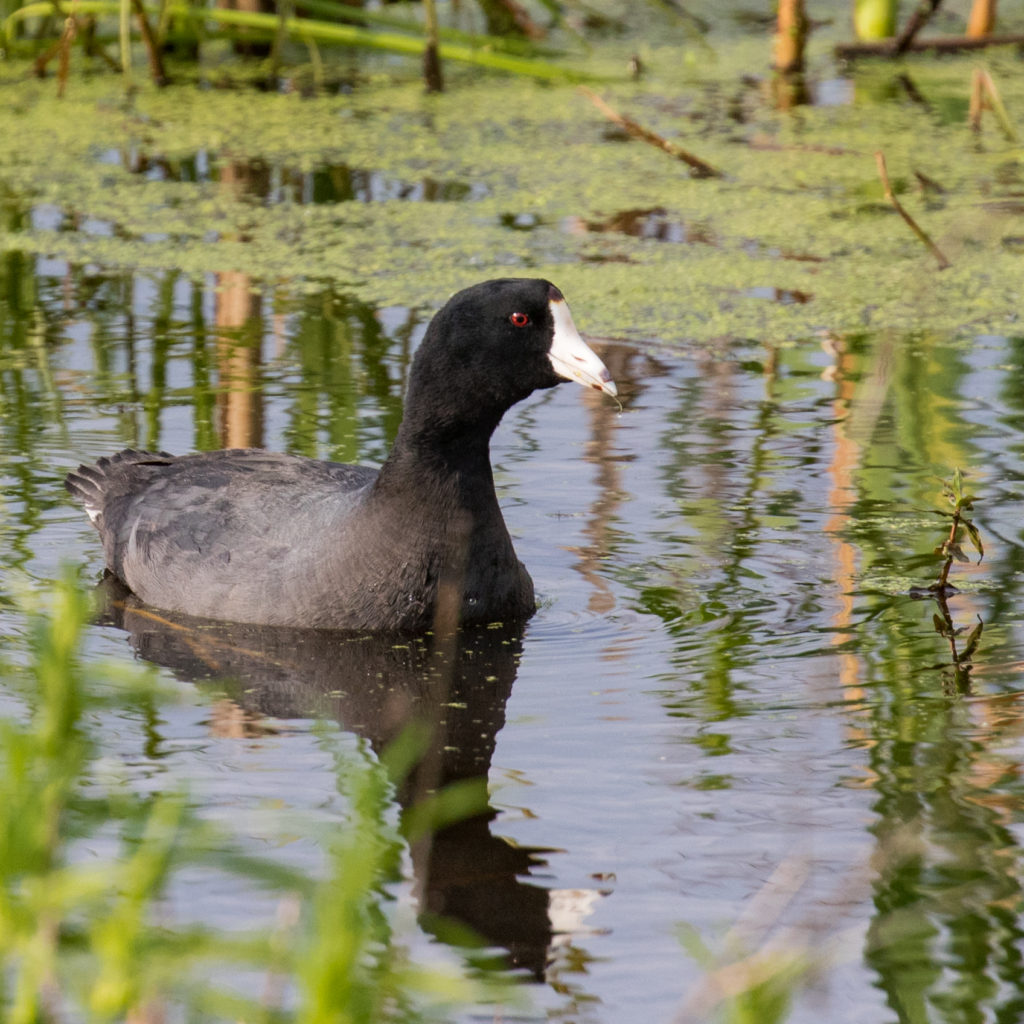
~Song Sparrow at Skinner’s Lane on 05/23/19.~~American Coot at Wallkill River NWR, 05/25/19.~~Savannah Sparrow at Skinner’s Lane, 05/23/19.~ ~Eastern Kingbird at Wallkill River NWR, 05/25/19.~~~Indigo Bunting at Wallkill River NWR, 05/26/19.~~Of course this doesn’t come close to Kyle’s shot, but it was really cool to get a look at a Virginia Rail out in the open; Wallkill River NWR, 05/25/19.~~I had to look this one up – I knew this was a hybrid between Blue-winged Warbler and Golden-winged Warbler, but I didn’t know that it was called Lawrence’s Warbler. Goosepond Mountain, 05/27/19.~
Okay, so I don’t have an actual list, but there are certain birds that I put on my mental list of “birds I’ll never get a decent photograph of”. Golden Eagle, Northern Goshawk, and Ruffed Grouse are examples that spring to mind right off the bat. SORA was on that list until earlier today, when I finally got a decent opportunity to photograph this normally super-secretive bird.
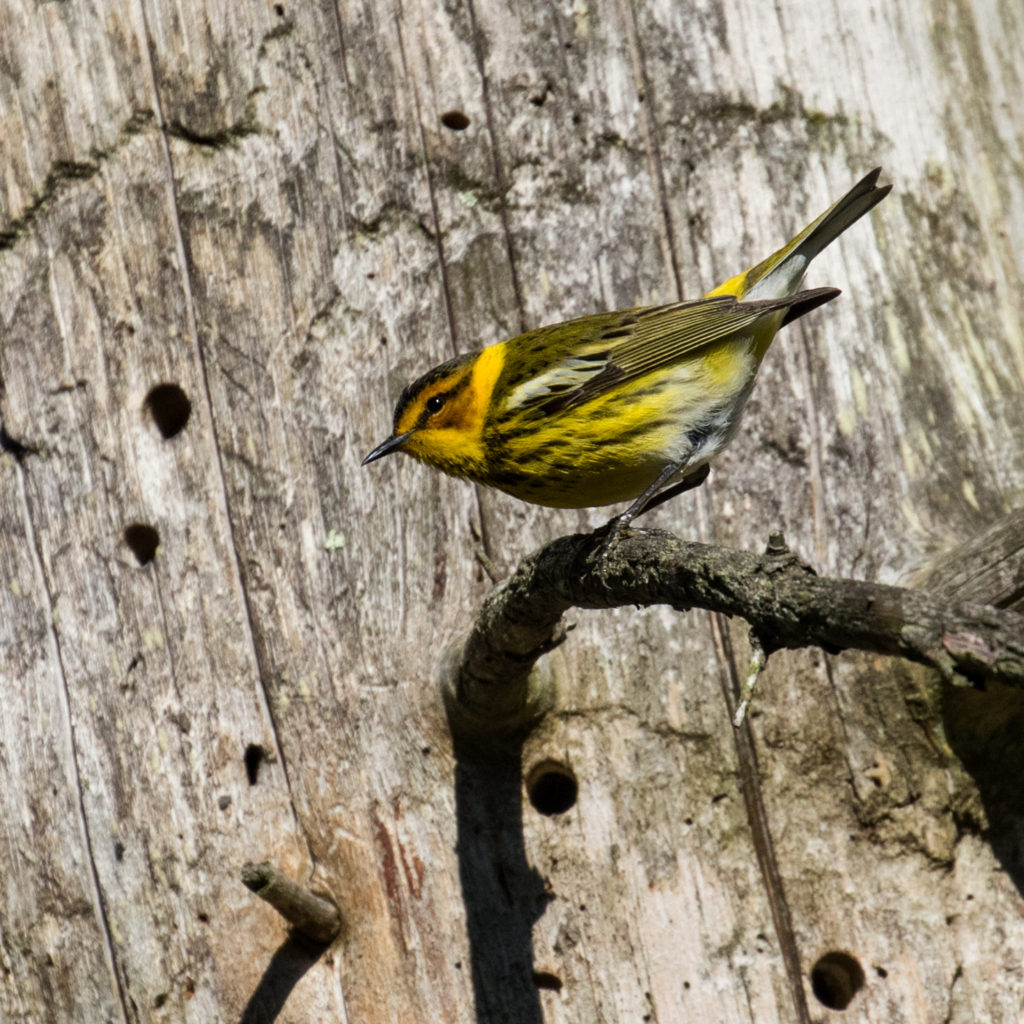
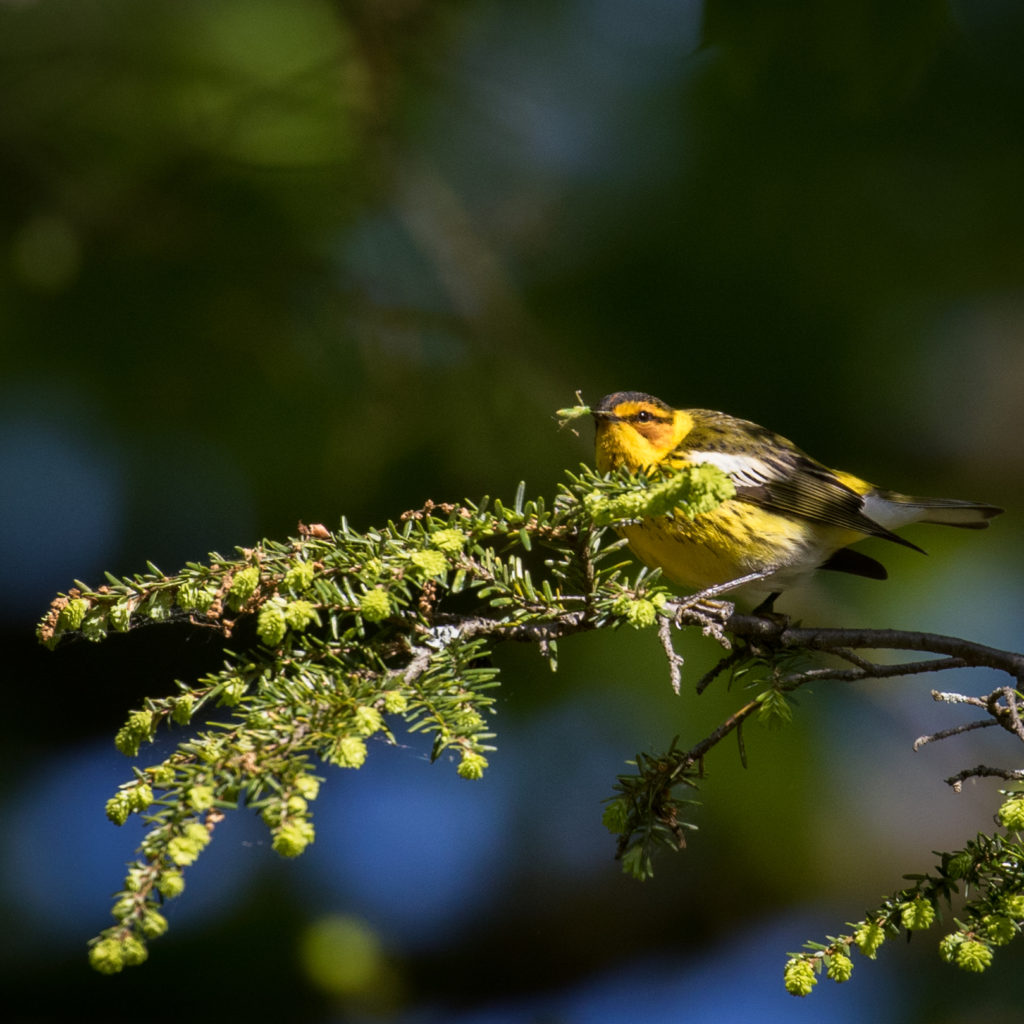
I was a little too busy to officially participate in this year’s Mearns Bird Club‘s Break 100, but I was able to join up with my previous team for a few hours this morning. I met up with John Haas, Karen Miller, and Lisa O’Gorman at Laurel Grove Cemetery in Port Jervis just after 8 am. I know it’s stating the obvious, right now is really good time of year to look for birds. I think with how busy I”ve been with work and in my personal life lately, lost track of that to some extent. It came back to me when I arrived at the cemetery and the team was having a great morning, with several CAPE MAY WARBLERS, Blackpoll Warblers, and at least a couple BAY-BREASTED WARBLERS. One male Cape May was very obliging for photos:
~CAPE MAY WARBLER at Laurel Grove Cemetery, 05/18/19.~ ~CAPE MAY WARBLER with a snack. Laurel Grove Cemetery, 05/18/19.~
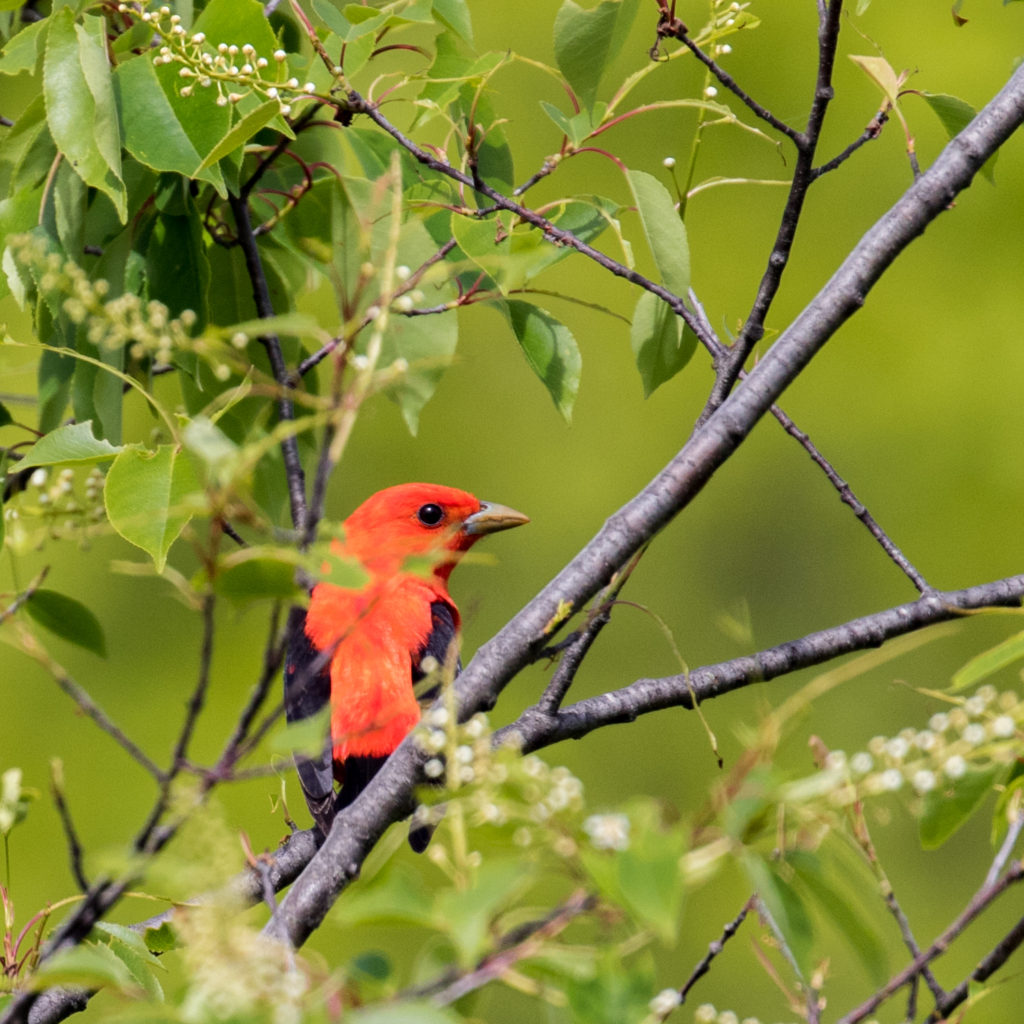
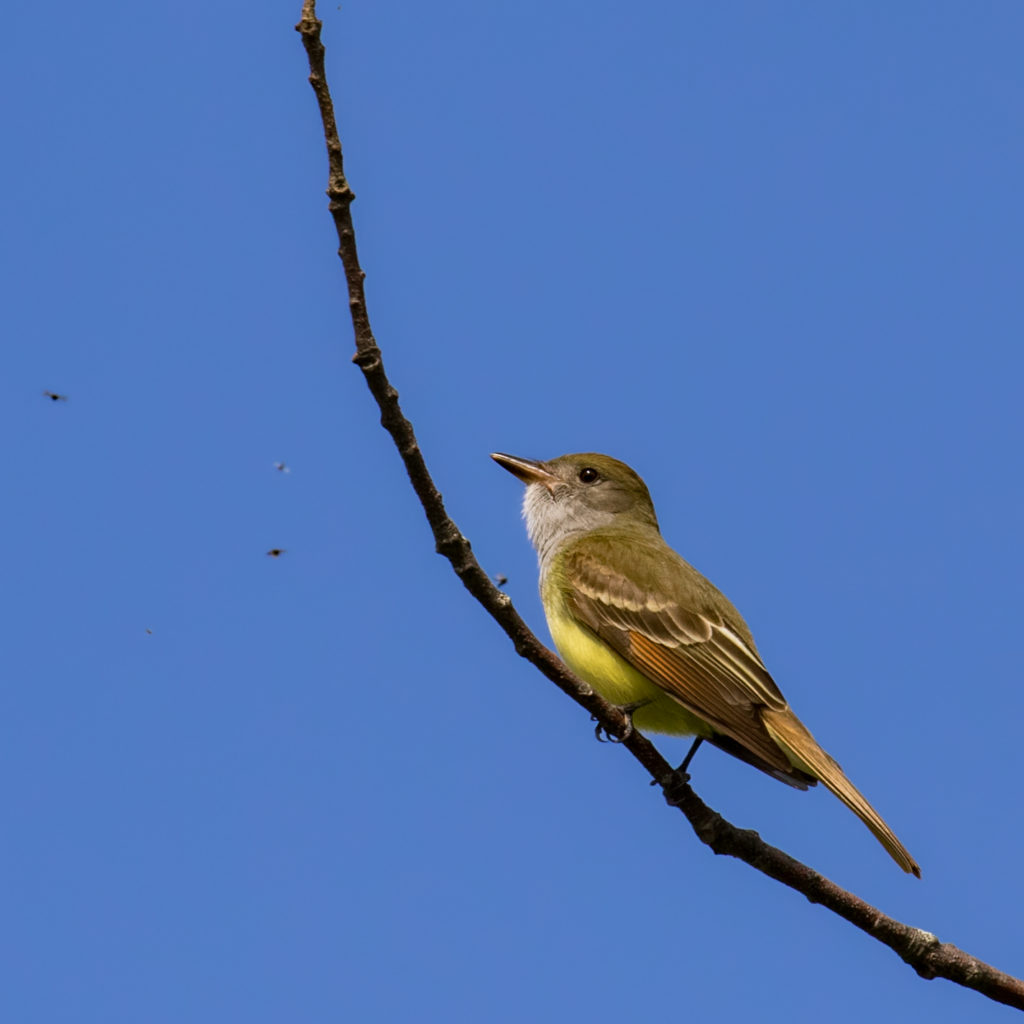
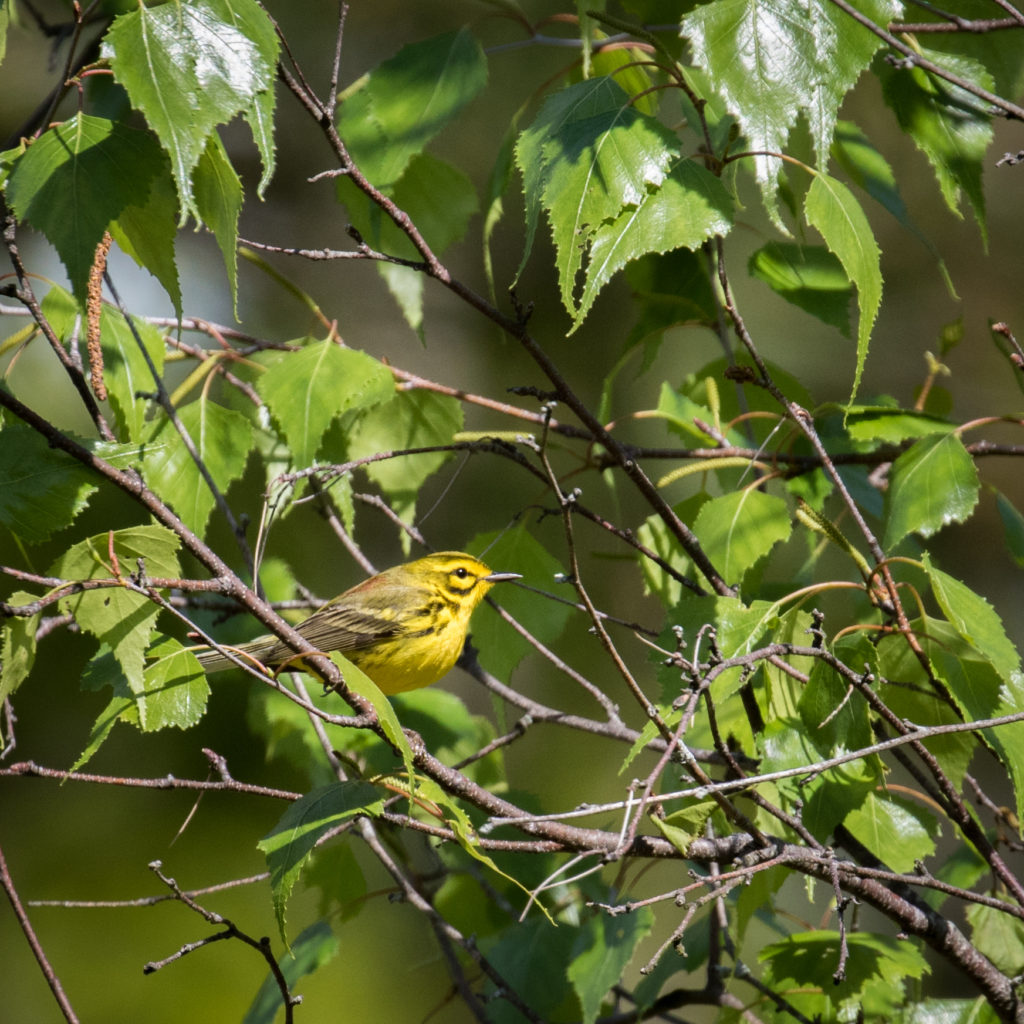
Our next stop was at Elks Brox Memorial Park, where the team added several birds to their tally. I don’t want to say exactly where they stood, but suffice to say they had a good Friday Evening and early Saturday morning and were well on their way to breaking 100. Highlights at Elks Brox included Prairie Warblers, Great Crested Flycatchers, good looks at another couple of Bay-breasted Warblers, and a nice photo op with a male Scarlet Tanager.
~I’m not sure why, but I sort of like this shot. I feel like this bird has some personality. Scarlet Tanager at Elks Brox Park, 05/18/19.~
From there we headed to Hawk’s Nest; the team added Peregrine Falcon, White-throated Sparrow, and Bald Eagle to their list. The traffic and the loud cars and motorcycles at that place make me absolutely crazy, so I was happy to head up to Reservoir 3 where the only new bird for the team was Brown Creeper. That’s where the team and I parted ways. They were headed to Sterling Forest, I went back to Laurel Grove where I located a CANADA WARBLER before heading home for the day. It was a great morning, and I’ll be curious to see how many species the team finishes with. I’ll update this post when I find out.
*Update: Our team ended the break with a total of 116 species – pretty darn good in my opinion!
~Great-Crested Flycatcher hawking bugs from a high perch at Elks Brox Park, 05/18/19.~ ~This is a bird I don’t think I’ve ever taken a good photo of . Prairie Warbler at Elks Brox Park, 05/18/19.~
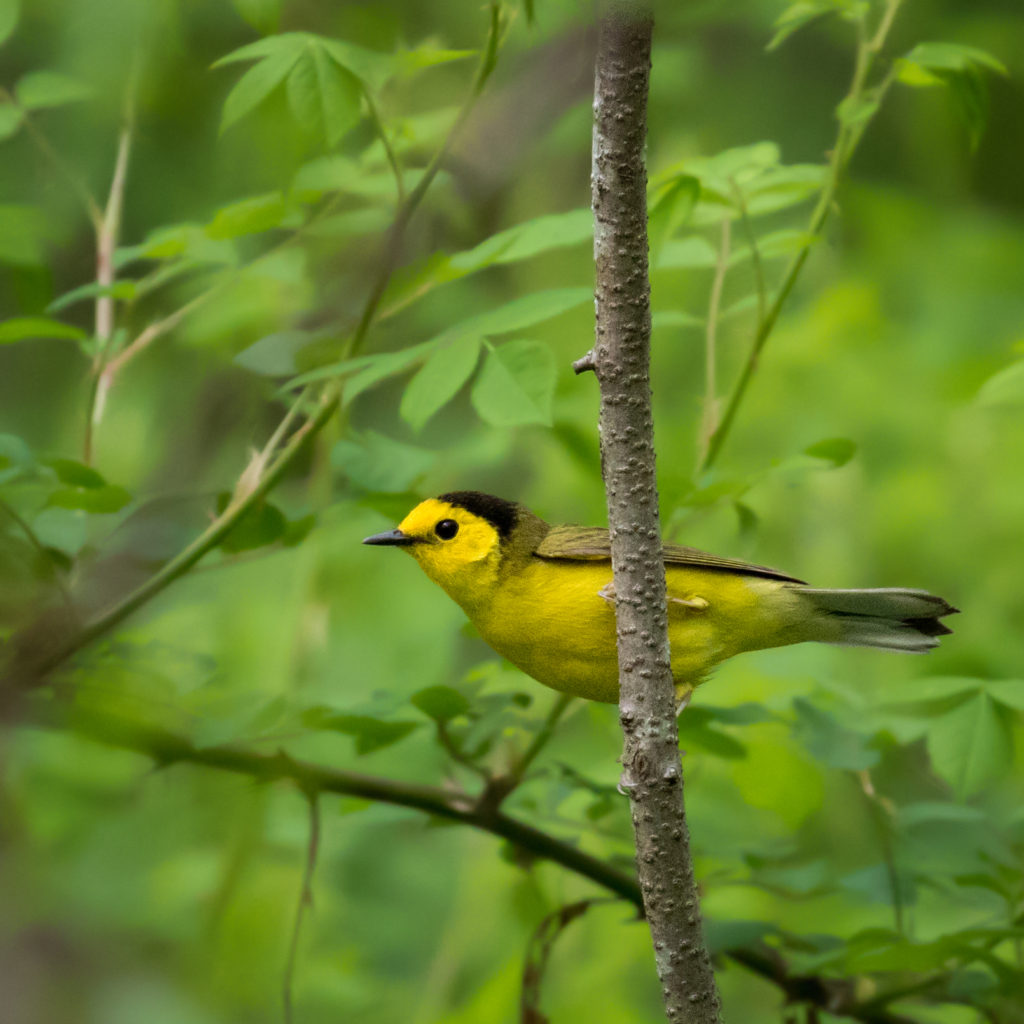
It was an interesting and productive weekend of birding for me. It started on Friday evening after work at Ironwood Drive at Sterling Forest State Park. I had over 40 species in total; highlights included an up-close look at a Hooded Warbler, 2 American Woodcocks peenting and in flight, and several Eastern Whip-poor-wills calling. I had an exciting moment when 2 Whip-poor-wills took flight after sunset, calling as they flew right into the parking area at the end of Ironwood Drive. I could barely see them but I picked them up as they flew through and then disappeared into the night.
~I didn’t think I got a shot of this bird – I didn’t think I was quick enough. I was thrilled when I was going through my pics and saw this shot. HOODED WARBLER at Sterling Forest, 05/10/19.~
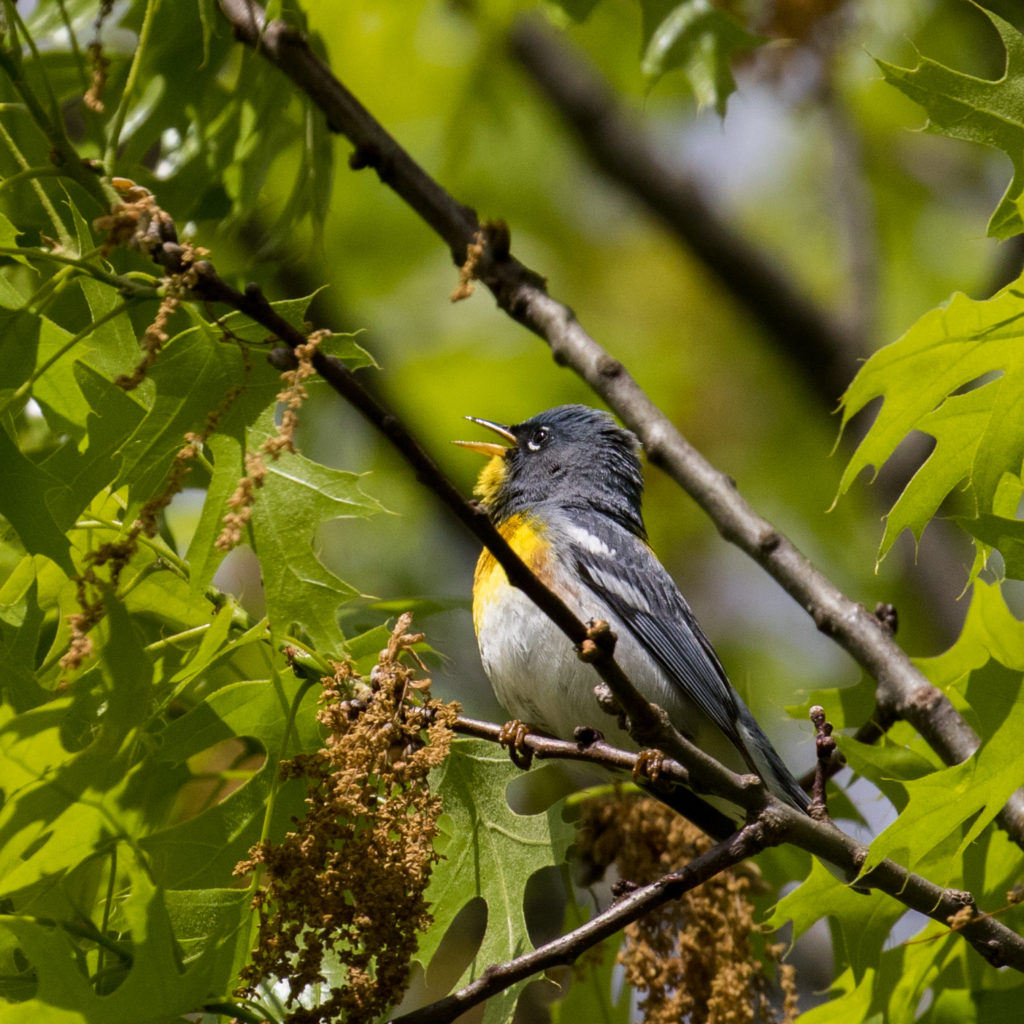
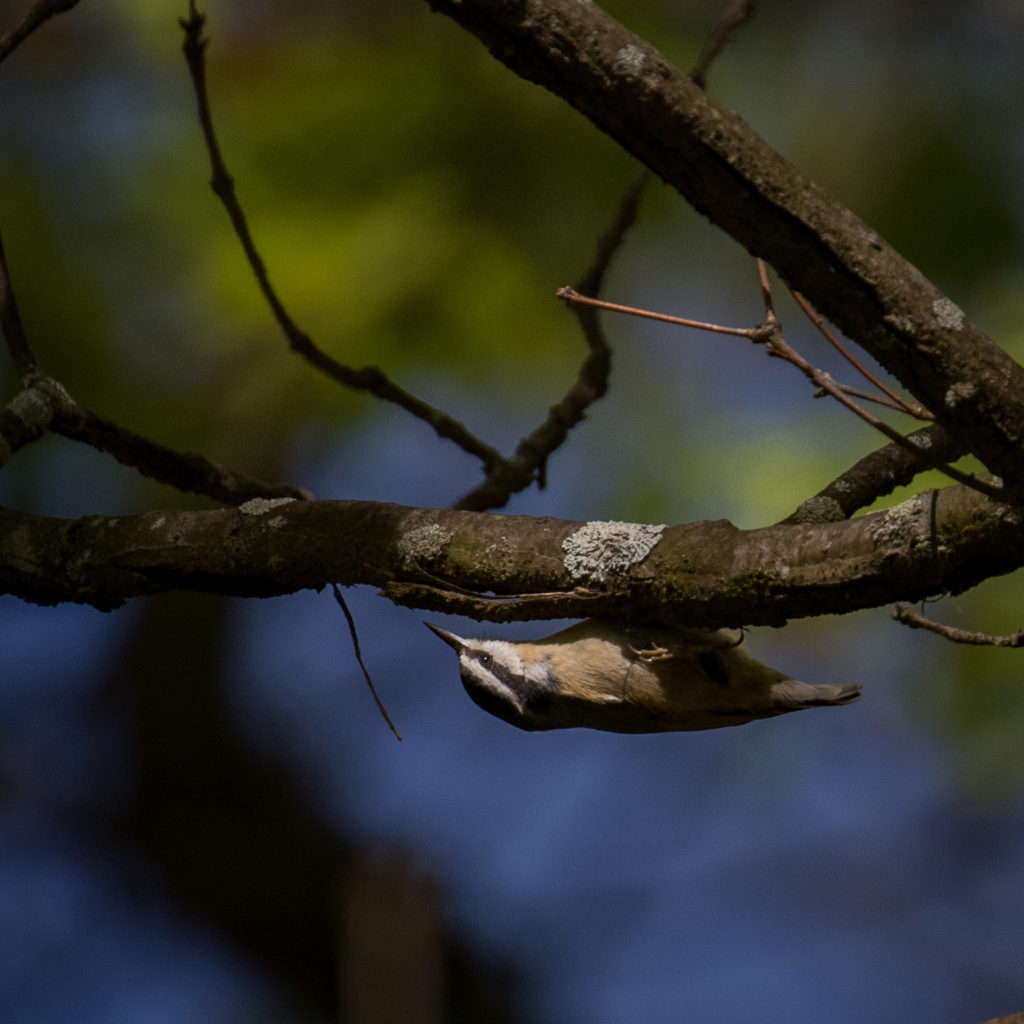
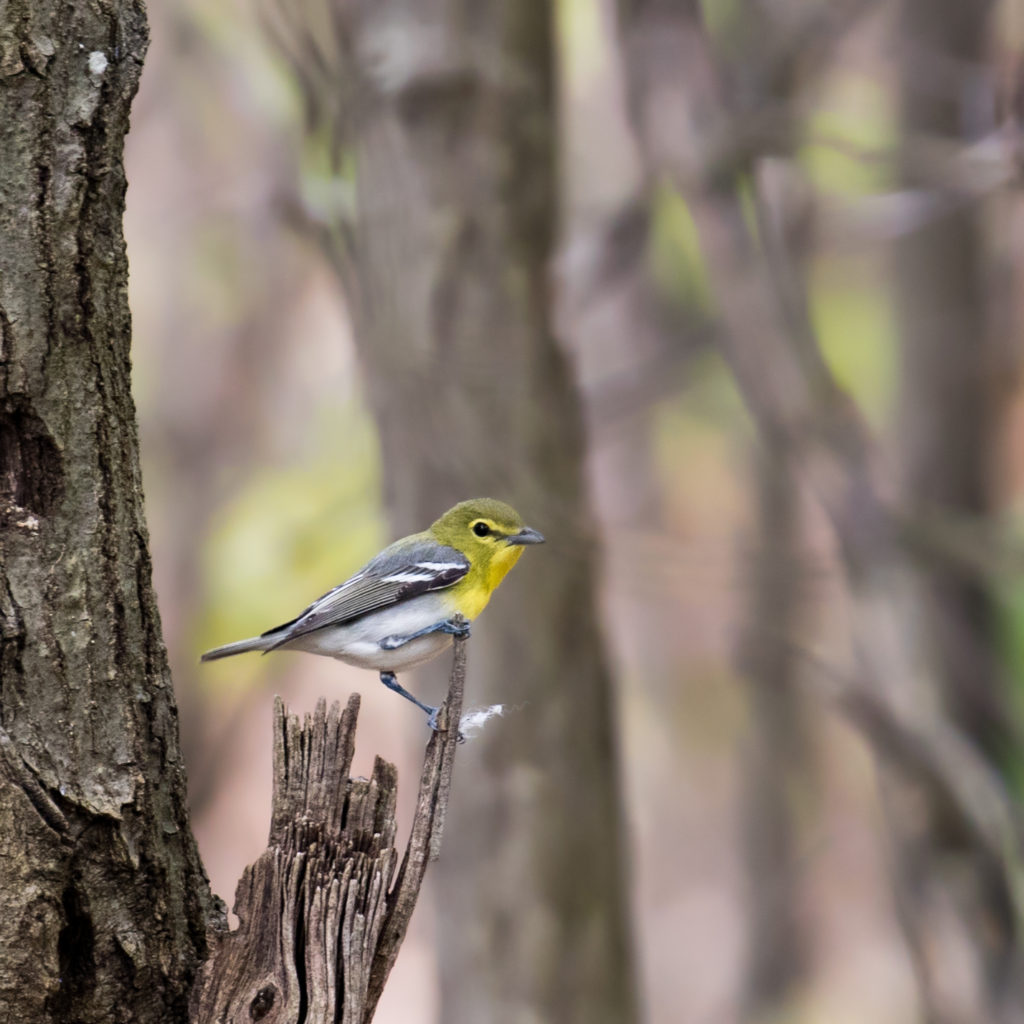
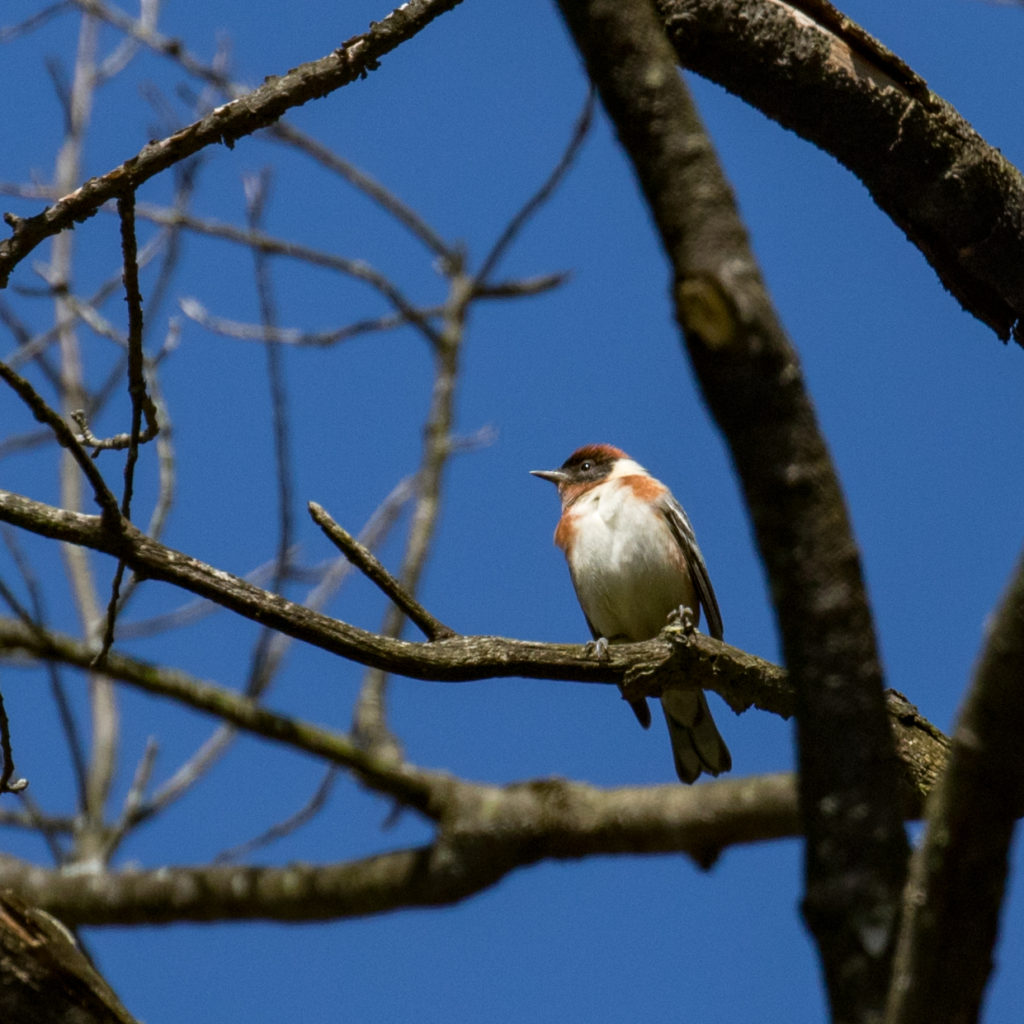
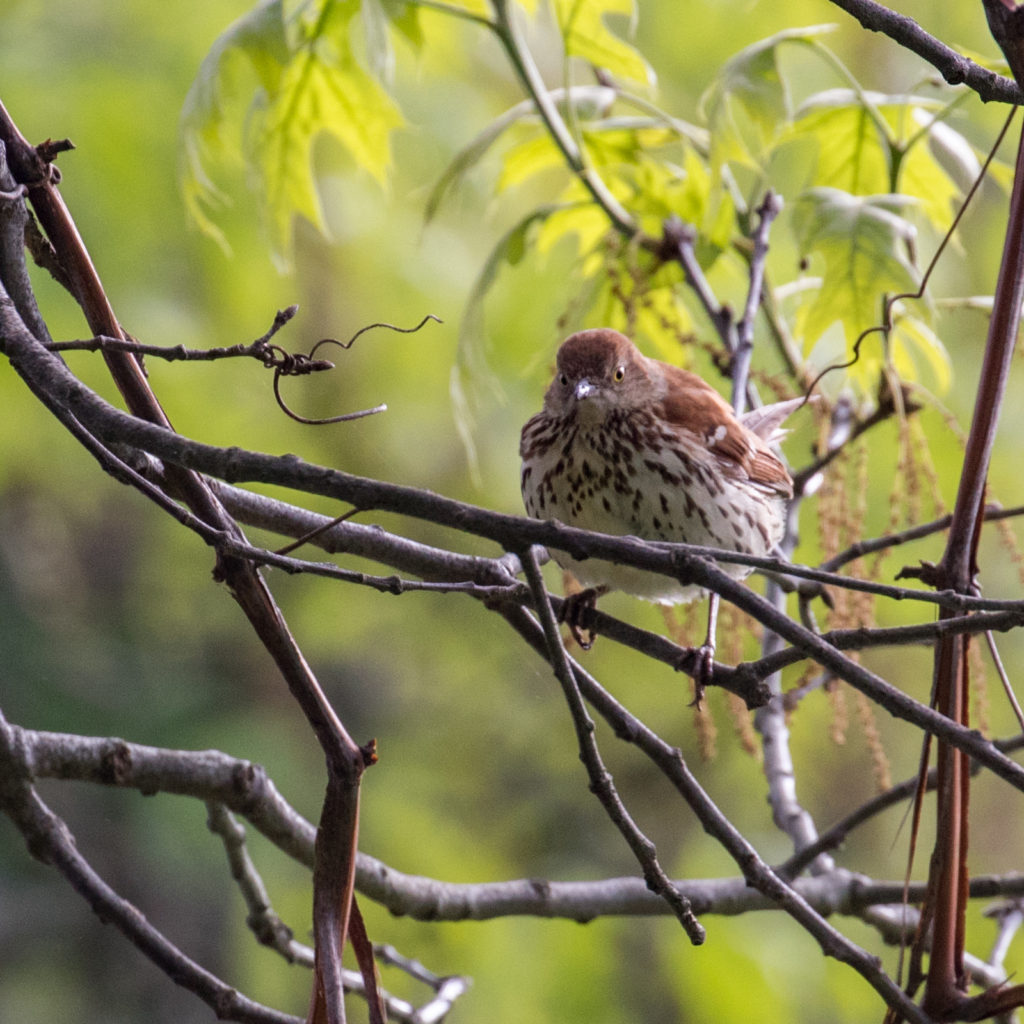
On Saturday morning, I woke up unsure of where to bird, or even what type of birding I should do. I had thoughts of shorebirds at the Route 207 Marsh, but instead I headed to Port Jervis to try for passerines. I went to Laurel Grove Cemetery first and it was birdy, but without many warblers present. New birds for the year (for me) included: Brown Thrasher, Least Flycatcher, and Chimney Swifts. From there, I headed up to Elks Brox Memorial Park, where it was also birdy, but with many more warblers. I had 10 species of warbler: Ovenbird, Worm-Eating Warbler, Black-and-white Warbler, Northern Parula, BAY-BREASTED WARBLER, BLACKBURNIAN WARBLER, Chestnut-sided Warbler, Pine Warbler, Prairie Warbler, and Black-throated Green Warbler. Best of all, I got some decent looks and photo ops of several species. Other good birds at Elks Brox included: RED-BREASTED NUTHATCHES (FOY), Yellow-throated Vireo, Blue-headed Vireo, and my FOY Eastern Wood-Peewee.
~A singing Northern Parula at Elks Brox Memorial Park, 05/11/19.~
In the afternoon I joined Karen Miller and we headed to the Bashakill to volunteer for Nature Watch. A pair of BLACK TERNS had been located and reported earlier in the day by the Mearns Bird Club outing, so we stopped at Haven Road first to try for the birds. When we arrived, several other birders were also looking for the birds, which hadn’t been seen in nearly 45 minutes. Birding bud Bruce Nott was there and I told him I had a feeling we would see the birds… five minutes later Bruce located them, north of the bridge and quite distant. Karen and I looked at them briefly but then had to head to the Main Boat Launch for Nature Watch. The terns eventually made their way all the way to us, and we enjoyed viewing them for most of our shift.
~This was a pleasant surprise – One of at least 2 RED-BREASTED NUTHATCHES at Elks Brox Park, 05/11/19.~
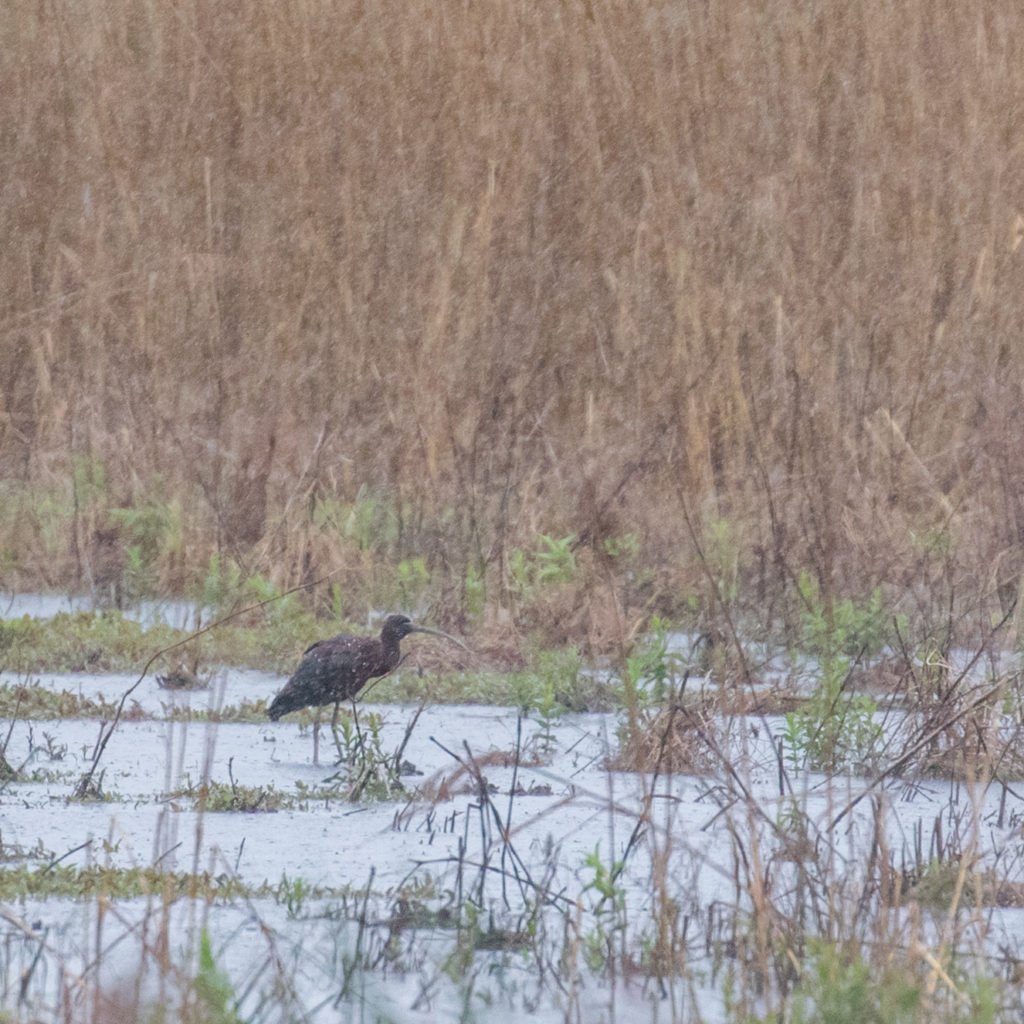
Today (Sunday) was yet another cold and rainy day. It rained ALL day long. I got out early and was optimistic that it wouldn’t rain too hard. I went to the 207 Marsh to try for shorebirds. I didn’t stay as long as I would have liked because the rain was relentless and my optics were just saturated. Every time I went use the scope or my binoculars they would instantly fog over. I did add a new shorebird for the year: SEMIPALMATED PLOVERS. I went home to dry off and then headed back out in the afternoon, again in search of shorebirds. I went to Lynch Ave (Least Sandpipers, Solitary Sanpipers, Lesser Yellowlegs, and Killdeer) and then to the Camel Farm (same species plus Greater Yellowlegs). The Camel Farm is loaded with shorebirds right now, but sadly there really isn’t a good spot for viewing. My final stop made all the wet weather birding worth it – I located a GLOSSY IBIS at Wallkill River National Wildlife Refuge. I’ve included a documentary shot at the bottom of this post. I have to say it feels good to be home, warm and dry!
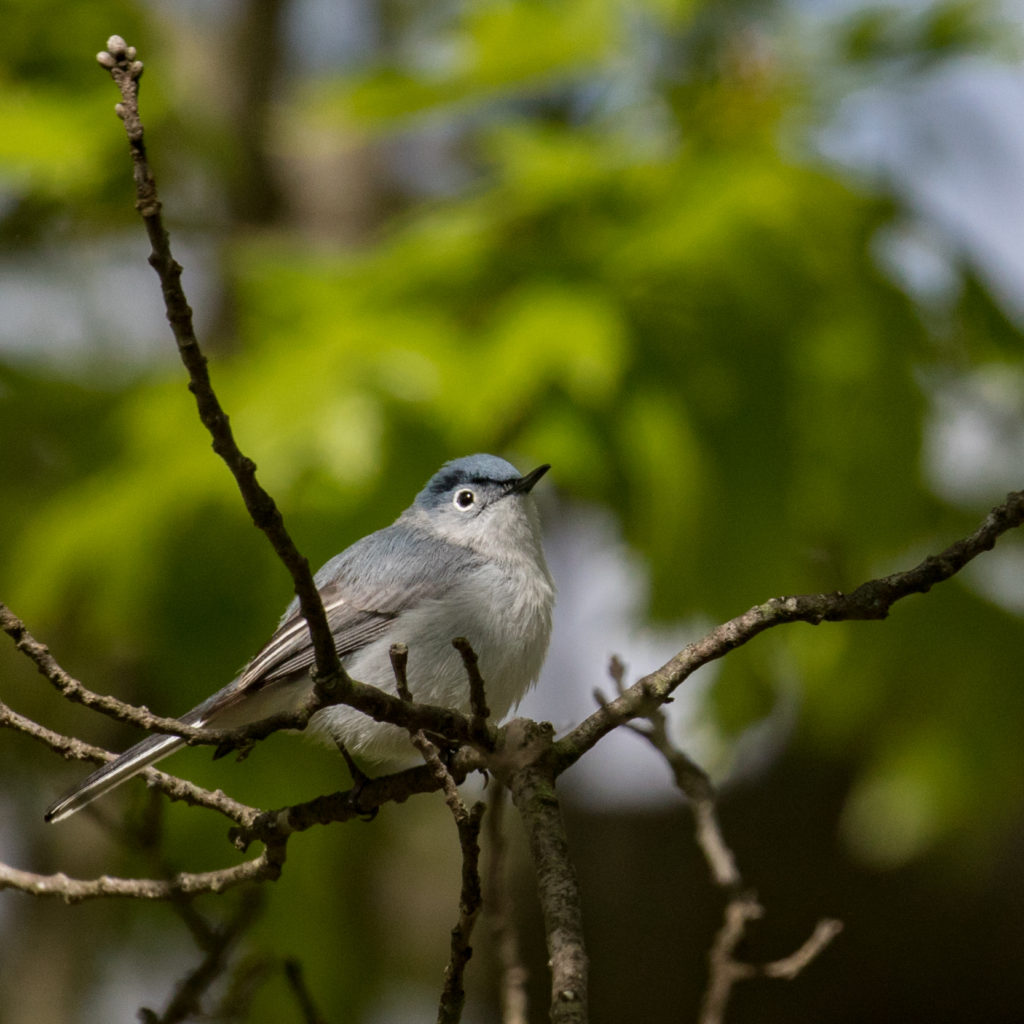
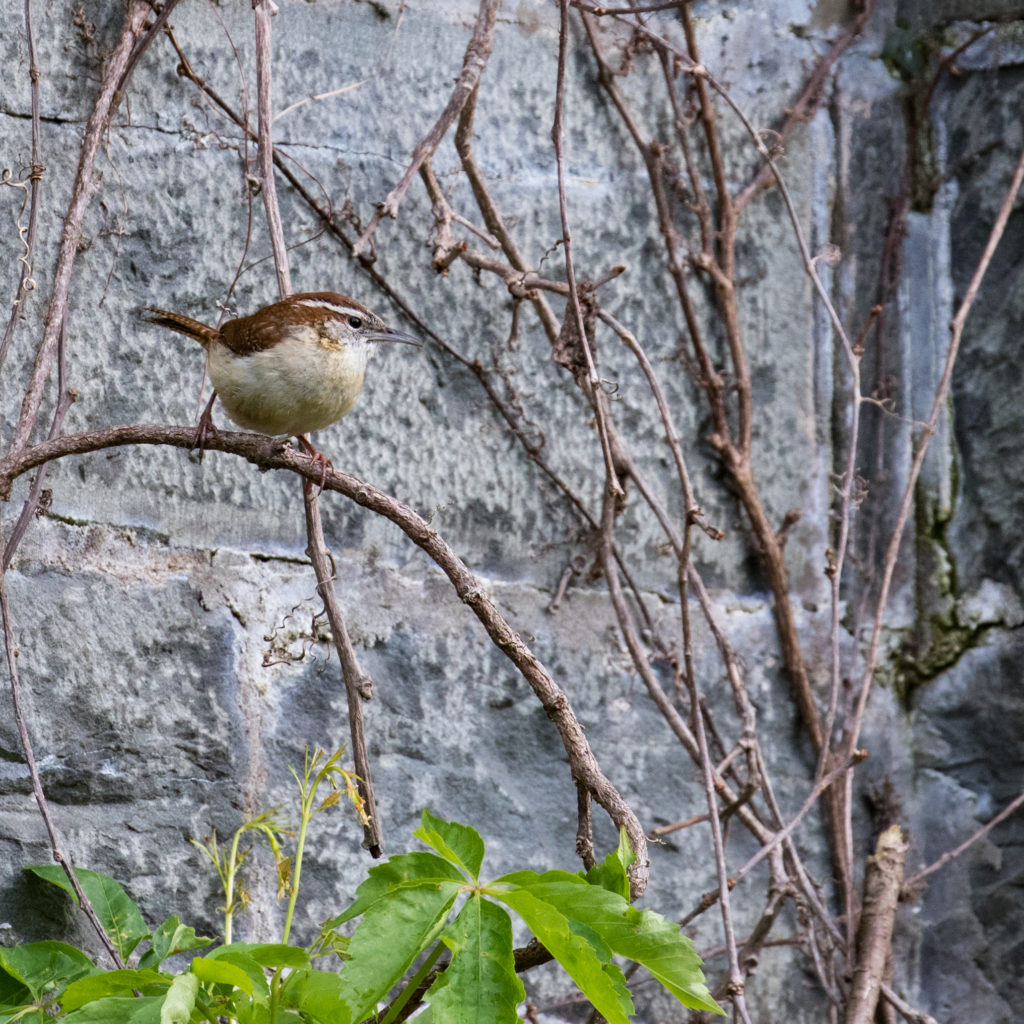
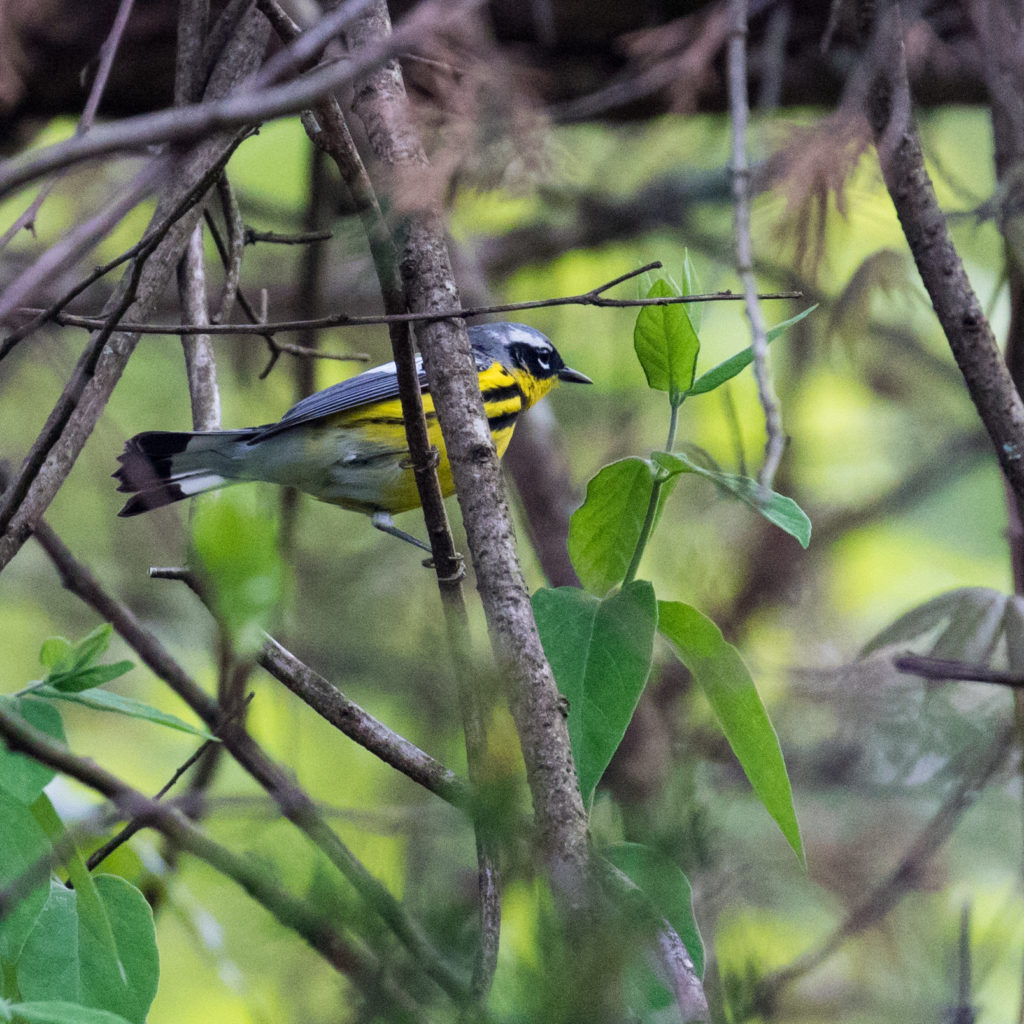
~This is one of my favorite passerines and I fee like I find them relatively often. Yellow-throated Vireo at Elks Brox Park, 05/11/19.~ ~Blue-gray Gnatcatcher at Elks Brox Park, 05/11/19.~ ~One of 2 BAY-BREASTED WARBLERS at Elks Brox Park on Saturday, 05/11/19.~~I always think Laurel Grove Cemetery lends itself to some interesting pics. Carolina Wren, 05/11/19.~ ~This dude looks mean! Brown Thrasher giving me the evil eye at Laurel Grove Cemetery, 05/11/19.~~Magnolia Warbler on Friday night 05/10/19 at Sterling Forest.~ ~The bird of the day on Sunday, 05/12/19: GLOSSY IBIS at Walkill River NWR.~
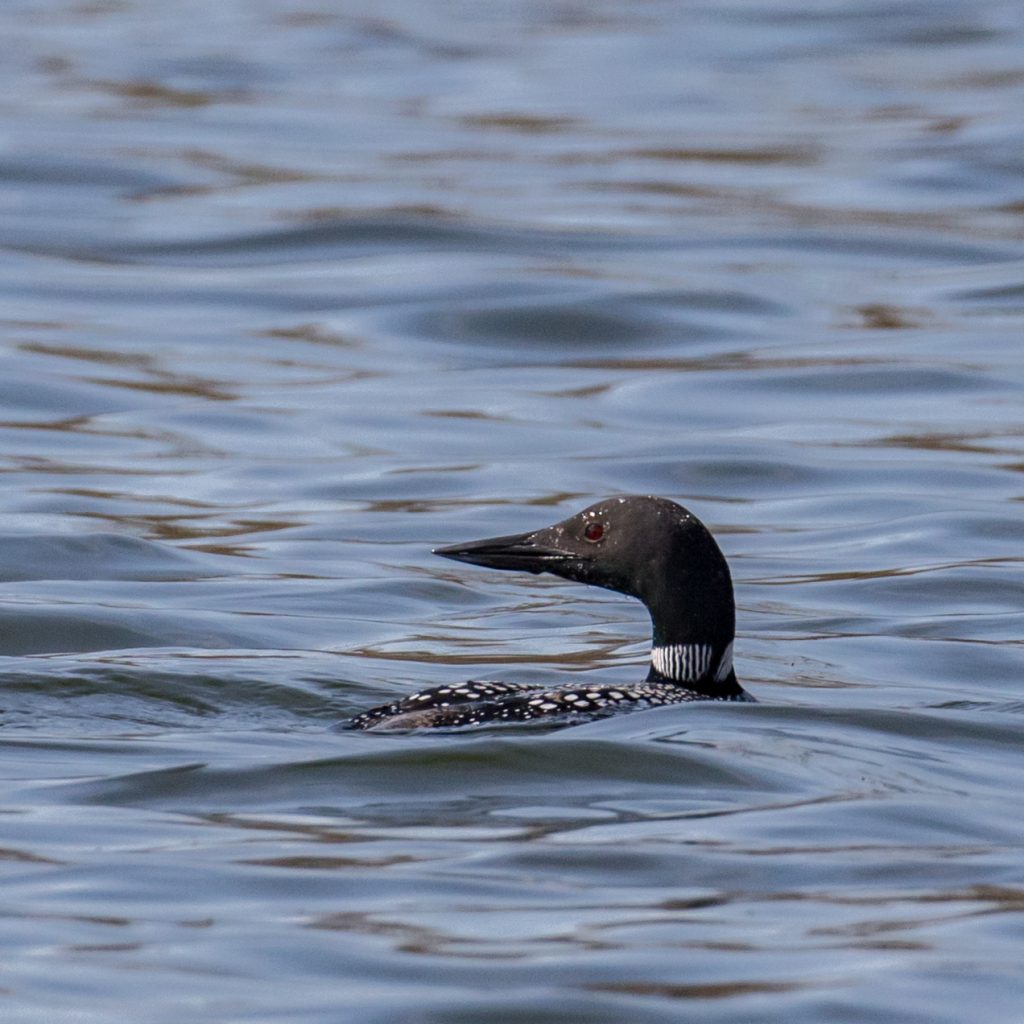
I got out this morning and hit several southern Orange County lakes – Glenmere, Wickham, Greenwood, Walton, and Round. These days I have several birds on my mind that I’m hoping for: Loons, Long-tailed Ducks, Scoters, Grebes, Caspian Tern, and Bonaparte’s Gull. I did well with Common Loons, finding them at 3 locations – Wickham, Greenwood, and Walton Lakes. Besides that, the only success I had was 2 Horned Grebes at Wickham Lake, in beautiful breeding plumage (boy do I wish those birds were closer to shore!). I also made a brief stop in the black dirt, hoping for shorebirds (I’d had 30+ Wilson’s Snipe and several Killdeer at Lynch Avenue a couple of times earlier this week – birds originally located by Bruce Nott, I believe). It was a gorgeous but relatively uneventful morning of birding; I did, however, manage to get a few shots.
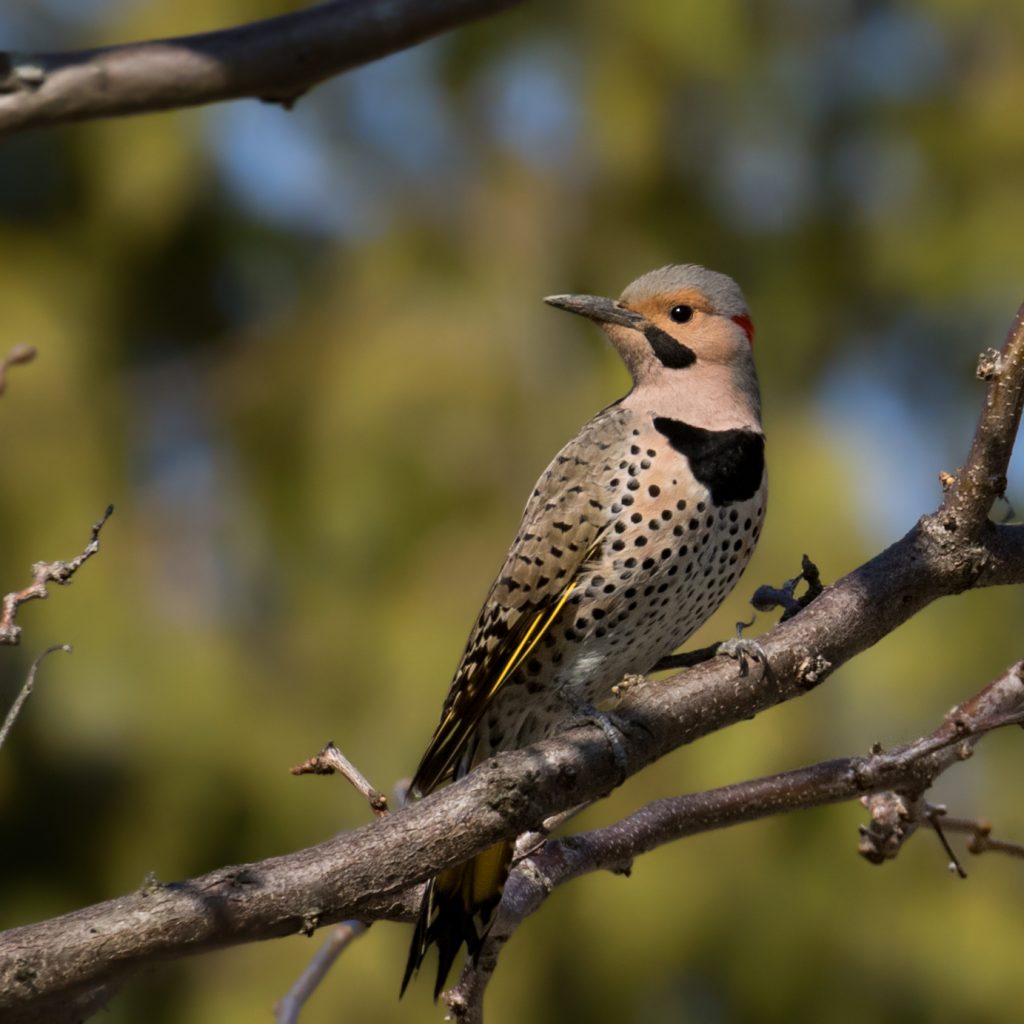
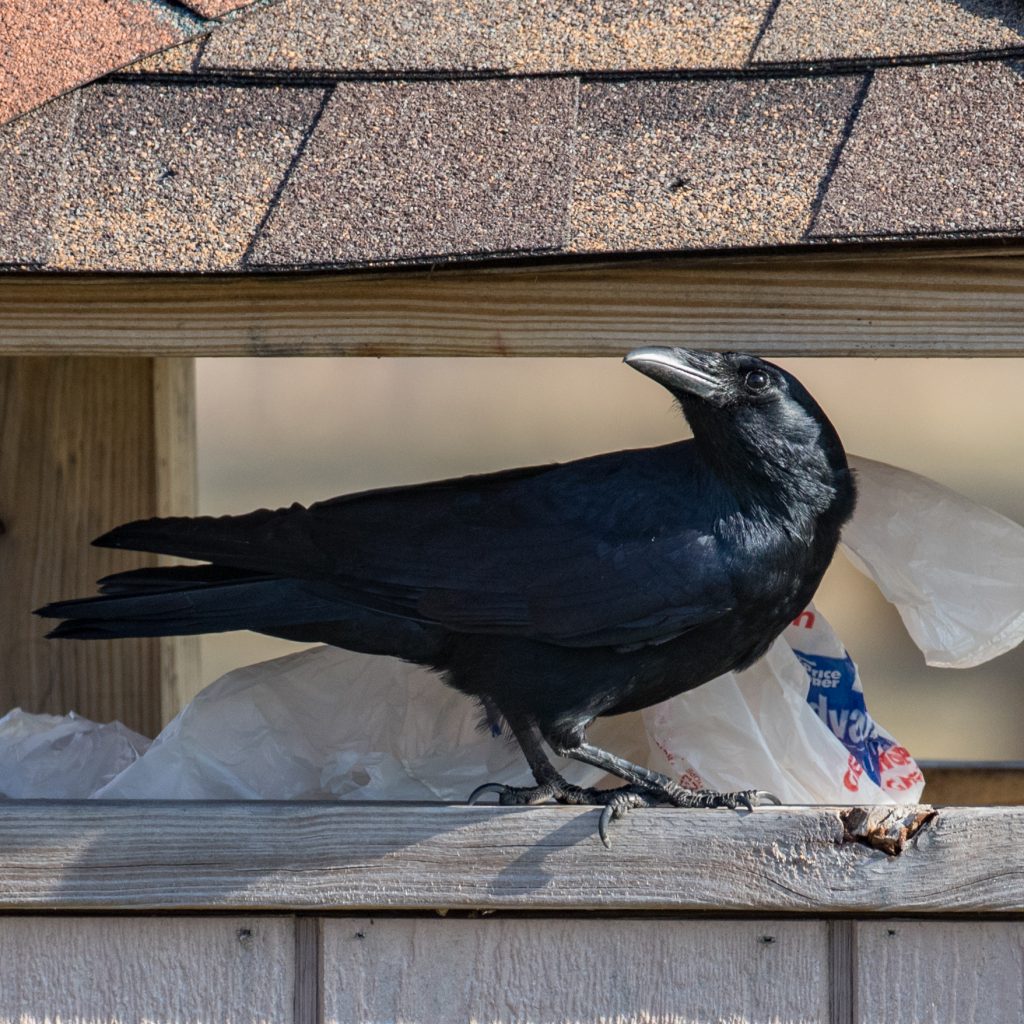
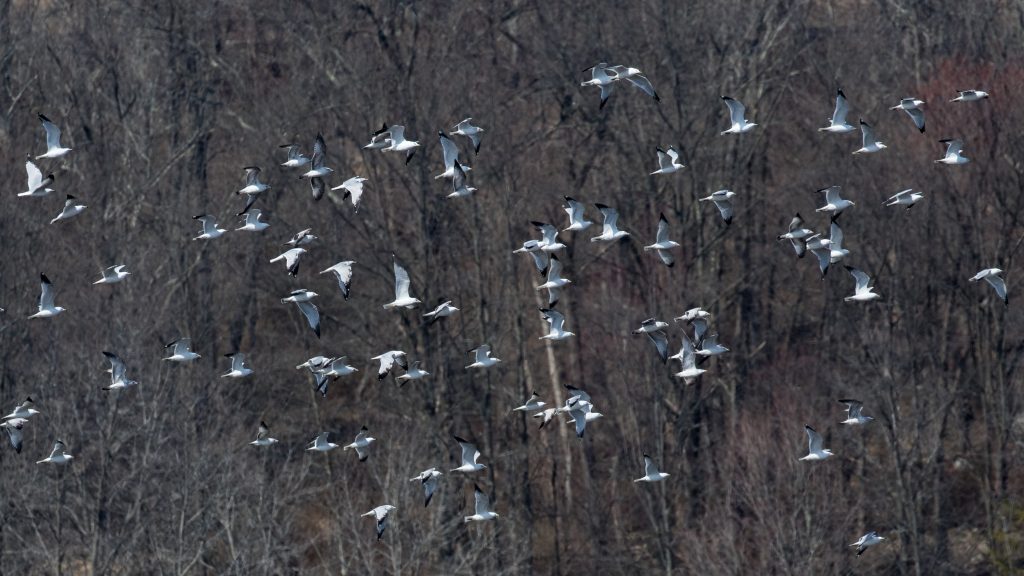
~Northern Flicker at Greenwood Lake, 04/07/19.~ ~It’s not very often I can get a decent Common Loon shot locally. This bird was at Walton Lake and surprisingly was spending some time right near the shore, 04/07/19.~~Common Loon at Walton Lake, 04/07/19.~~One final loon pic – COLO at Walton Lake, 04/07/19.~ ~This cracked me up because this Fish Crow was actually all the way inside this garbage container out at Wickham Lake, 04/07/19. Anything for a quick meal, I suppose.~ ~I counted 88 Ring-billed Gulls in this group in the black dirt, 04/07/19.~
~I got my first OC Tree Swallows of the year at Laurel Grove Cemetery on Saturday, 03/23/19.~
The highlight of the weekend was, of course, the Yellow-headed Blackbird on Saturday in the black dirt. But, I did a bunch of running around all weekend and had some pretty good birds. Here’s some highlights by day:
Saturday: I had both a Red-necked Grebe and a Horned Grebe at Glenmere Lake. At Laurel Grove Cemetery, I had my first Orange County Tree Swallows of year; I watched a group of approximately 20 feeding on the river. The best stop of the day, however, was at the Westtown Pond on Route 284, where I had 8 species of waterfowl (including a Common Goldeneye) and in the field across the street – 25+ Killdeer and my FOY Wilson’s Snipe.
~This bird was close to the shore, but I struggled to get a shot because it was blocked by vegetation. Horned Grebe at Glenmere Lake, 03/24/19.~
Sunday: I made a tour of many of the lakes in southern Orange County (Glenmere, Wickham, Greenwood, Sterling, Blue, Walton, and Tomahawk) as well as whatever small ponds I saw along the way. I had a total of 16 species of waterfowl:
Canada Goose
Mute Swan
Wood Duck
Gadwall
American Wigeon
Mallard
Green-winged Teal
Greater Scaup (Round Lake)
Ring-necked Duck
Bufflehead
Common Goldeneye (Glenmere Lake & Round Lake)
Hooded Merganser
Common Merganser
Horned Grebe (Glenmere and Greenwood Lake)
Red-necked Grebe (Glenmere)
Double-crested Cormorant
~It won’t be long before these guys are on the sparse side. Dark-eyed Junco at Reservoir 1 in Port Jervis, 03/23/19.~ ~Perched Peregrine Falcon, Orange County NY 03/23/19.~ ~Before a couple of weeks ago, I’d somehow never seen a grebe in flight. These guys were the 3rd time in that time span – Horned Grebes being flushed by a boat at Greenwood Lake, 03/24/19.~ ~This cat nearly gave me a heart attack. I was convinced, I mean totally convinced, when I saw it naked eye that it was a bobcat! It was a really large cat and it wandered out of the woods…wishful thinking I guess. House cat in the black dirt, 03/23/19.~
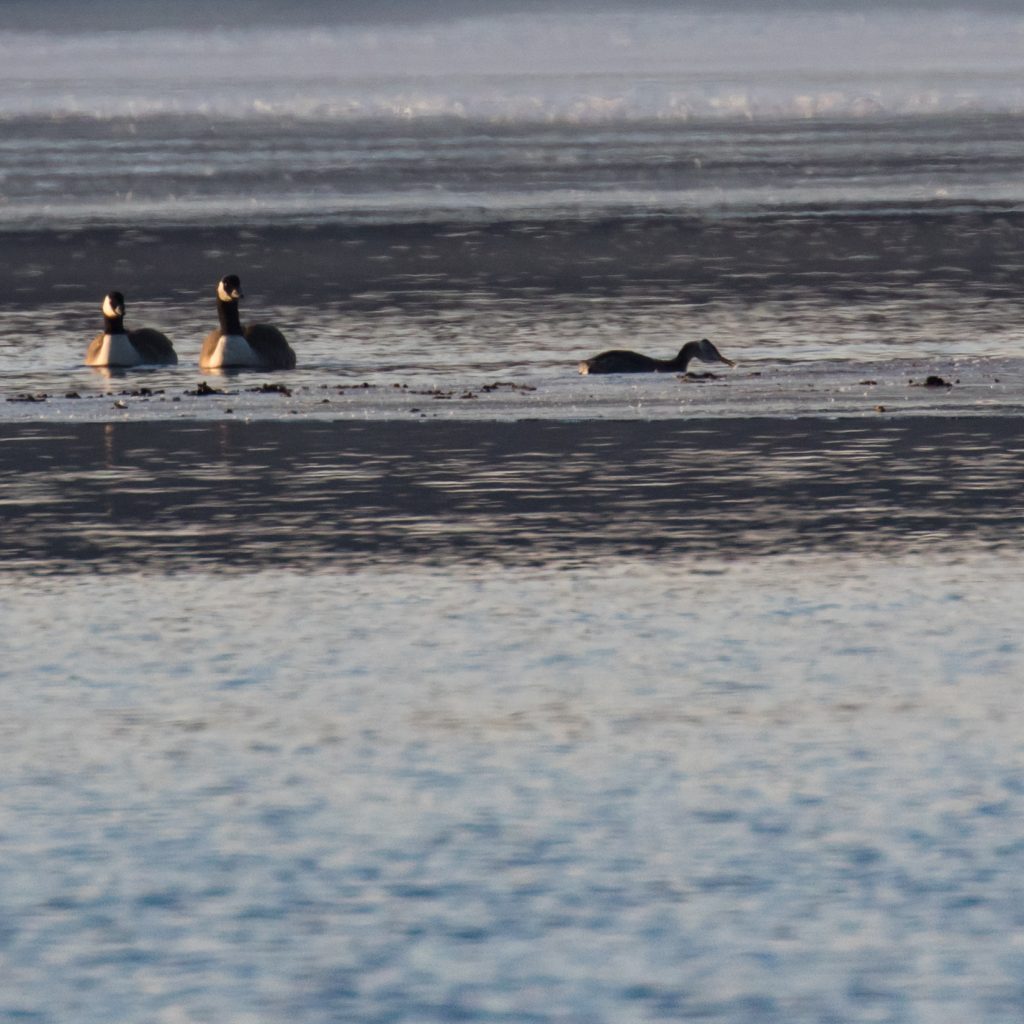
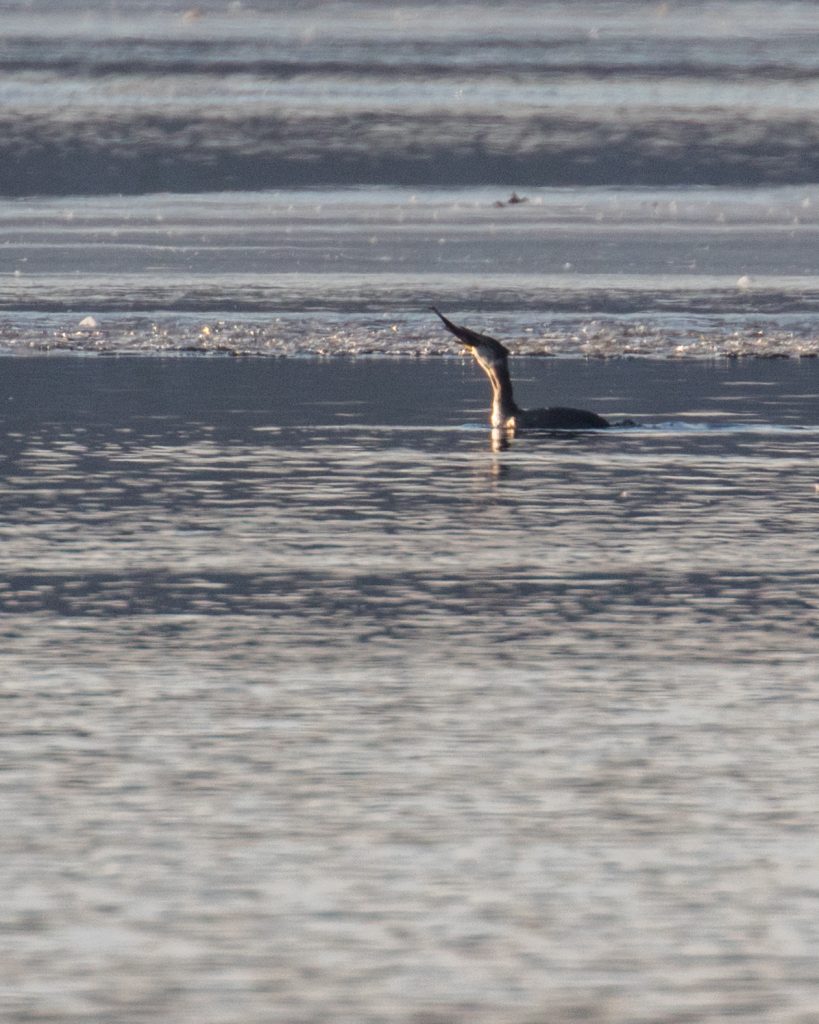
There were some good birds reported locally this week, so that gave me some targets for today. At first light I headed over to Glenmere Lake to try for the Red-necked Grebe that Kathy Ashman located yesterday, and fortunately bird was still present. Kathy also showed up, and the bird put on a pretty good show as it tried to swallow a fish that was just way too large. Eventually a Ring-billed Gull swooped in and stole the fish, putting a halt to the grebes attempts. Glenmere is one of the few lakes with open water in the county, and including the grebe, I had 10 species of waterfowl: Wood Ducks, Hooded Mergansers, Buffleheads, Mute Swans, Canada Geese, Mallards, American Wigeons, Ring-necked Ducks, and 2 COMMON GOLDENEYES.
-A distant shot of the Red-necked Grebe with two Canada Geese at Glenmere Lake, 03/09/19. I sort of like this shot because to me it shows the profile of the RNGR well.~
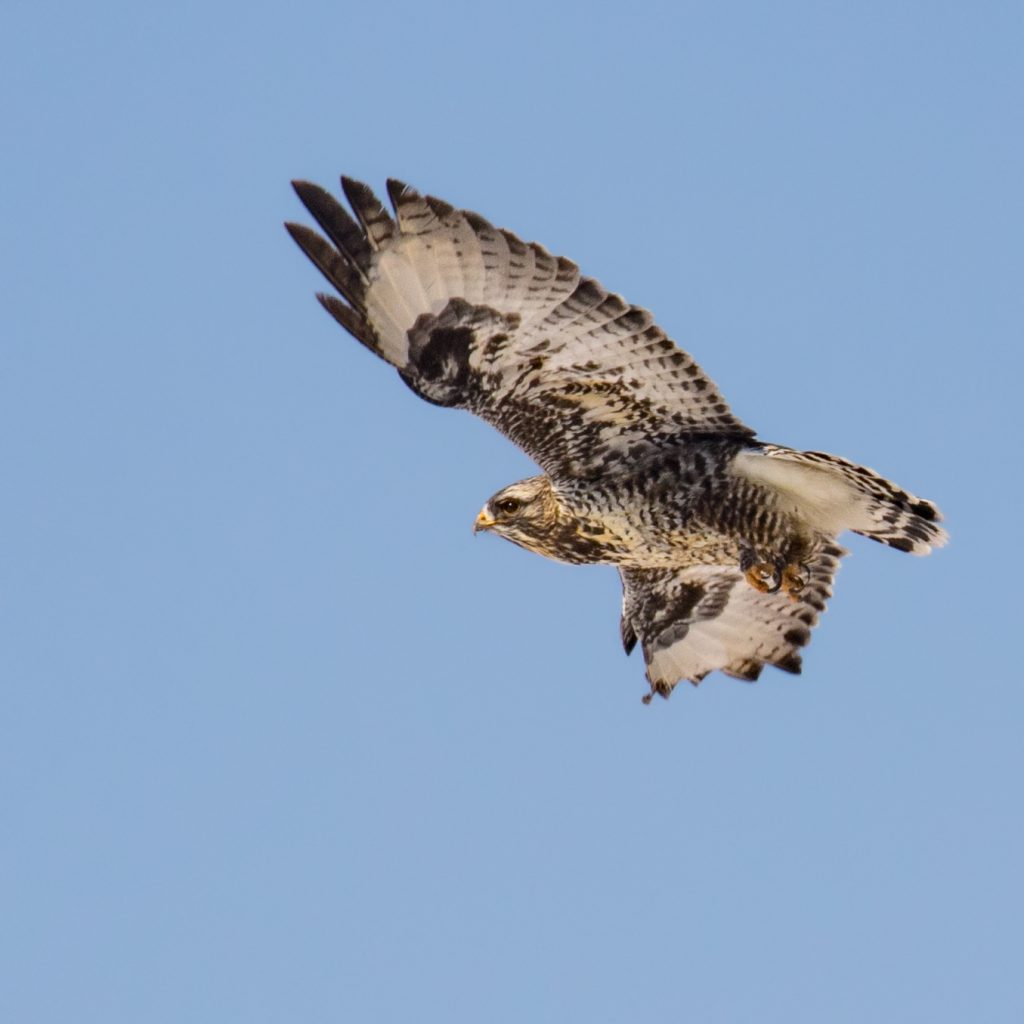
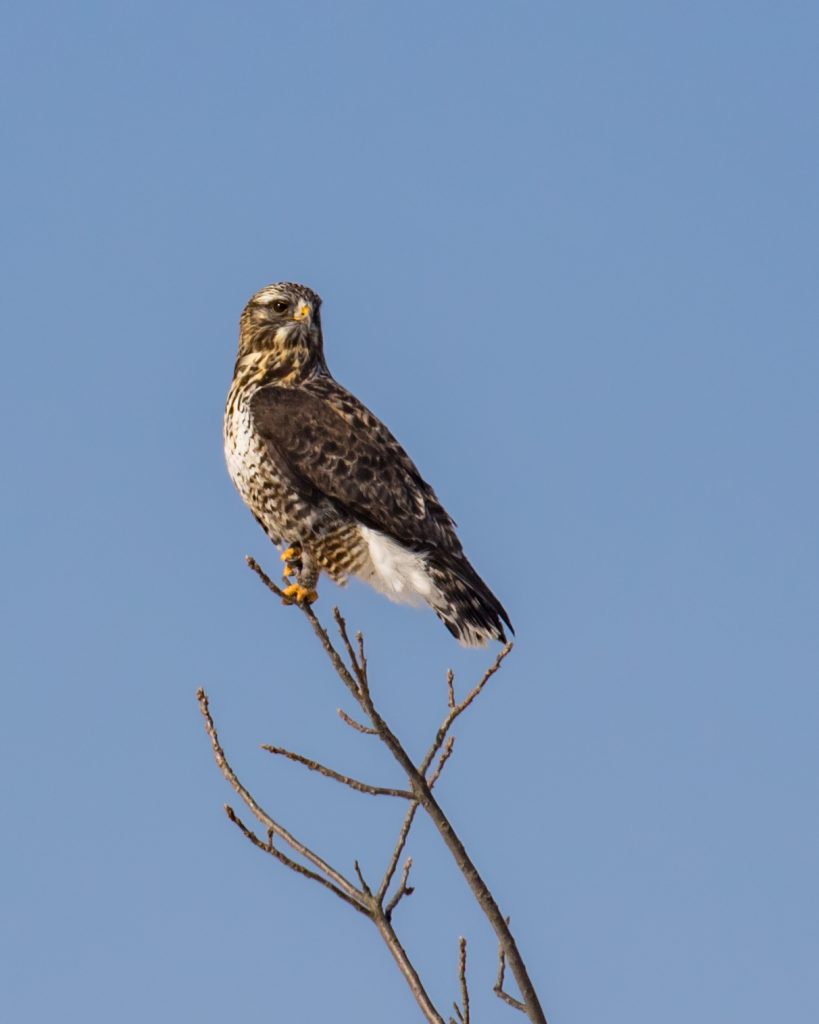
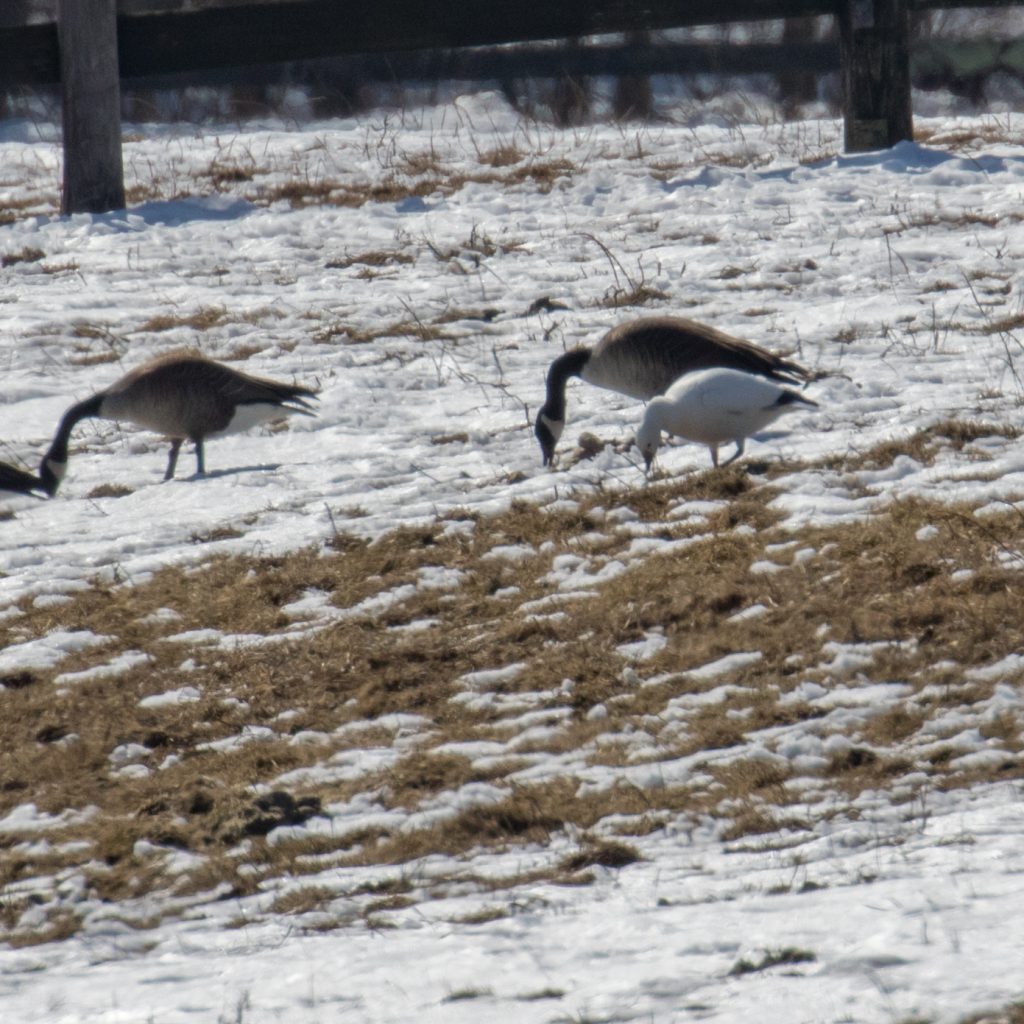
I then cruised the black dirt for a while – I had several large groups of Canada Geese, maybe around 5,000 total, I sifted through them all and unfortunately did not located any other species. I did alright for raptors; I had my first Sharp-shinned Hawk in the count for the year, several Red-tailed Hawks, Turkey Vultures, an American Kestrel on a wire, and I got some decent shots of a Rough-legged Hawk.
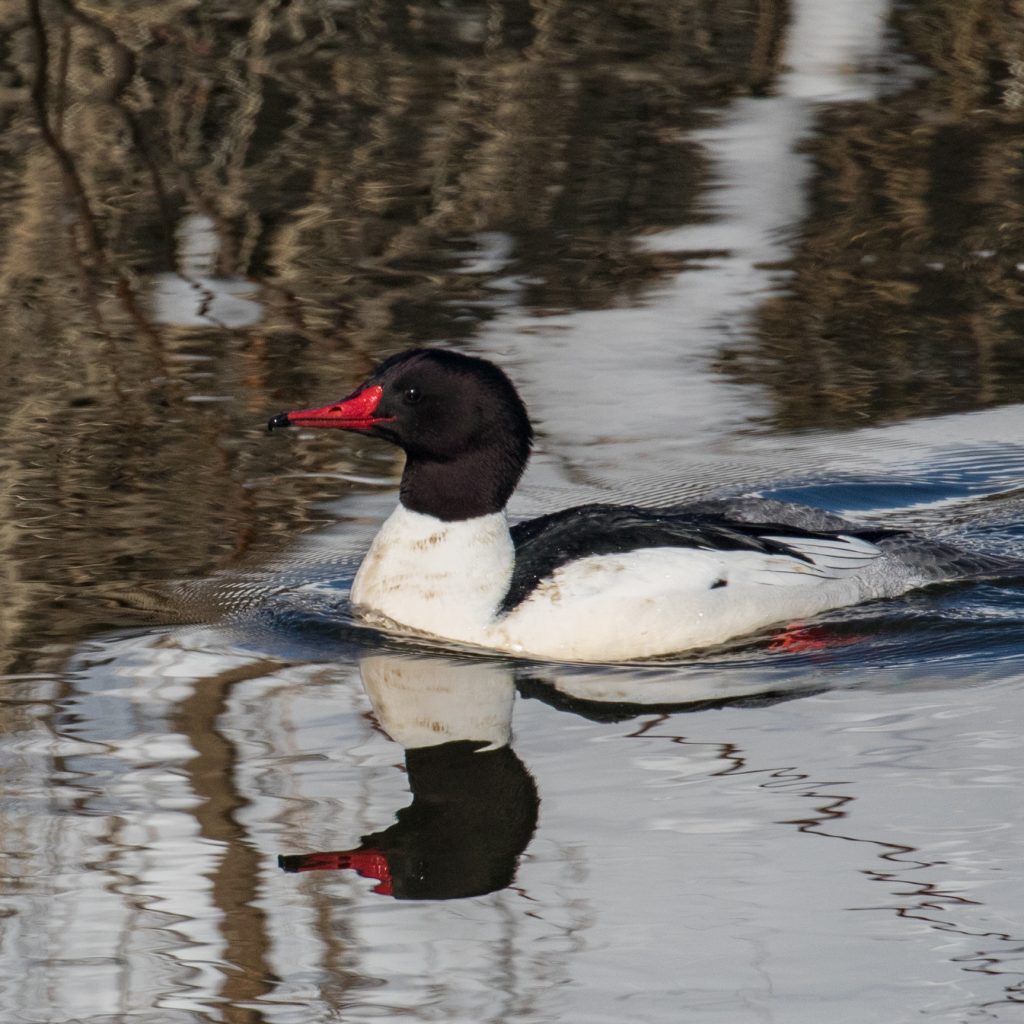
~Perched Rough-legged Hawk in the black dirt this morning, 03/09/19.~ ~Common Merganser on the Wallkill River in the black dirt, 03/09/19. These birds have such varying looks depending on the light.~
My next move was to head north to Ulster County to try for the Ross’s Goose that had been reported all week. I tried Bates Lane at Blue Chip Farms first, and I got lucky as another birder, Neil from the Schenectady was already on the bird when I arrived. He gave me a look in his scope, as the bird was at quite a distance, and I tried to get some documentary shots of the bird. It’s always good to see a Ross’s, and this bird is just the perfect beautiful example of the species. I made a quick stop at the Shawangunk Grasslands NWR, since I was so close, in spite of the parking lot being full of cars (at just after noon!) there were not many birds flying and I had only a single Turkey Vulture in the distance.
I had planned to head over to Cornwall to try for the Lesser Black-backed Gull that Bruce Nott found yesterday, but I ran out of time. I may try for that bird tomorrow. What a satisfying day of birding, I feel like we are on the verge of some really good birding in our area.
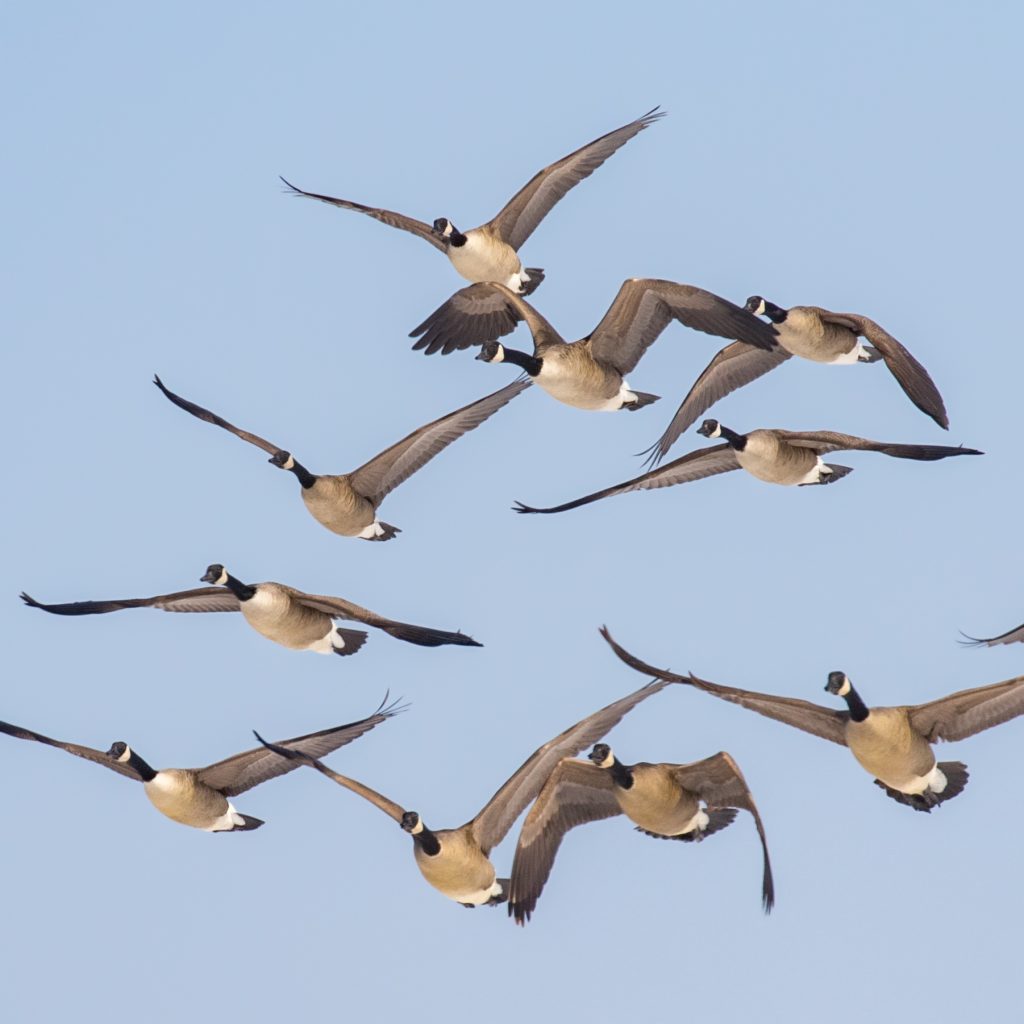
~I love this little bird. Ross’s Goose at Bates Lane in Ulster County, NY 03/09/19. I’d have loved to get a better look at this bird, but unfortunately it was miles out.~ ~Red-necked Grebe trying to choke down a massive fish at Glenmere Lake, 03/09/19~ ~Canada Geese in flight at Wallkill River National Wildlife Refuge, 03/09/19~
I got a good look at several Ring-necked Ducks at Glenmere Lake just after sunrise this morning. Glenmere is not typically a good place for photographing waterfowl from the shore, especially first thing in the morning as the view generally looks southeast, creating a severely backlit situation if there is a clear sunrise. This morning, however, these Ring-necked Ducks were located in a little cove of sorts along the shore. I positioned myself behind a tree and shot them with the sun just off my left shoulder; it was nice surprise to get some decent shots with nice light.